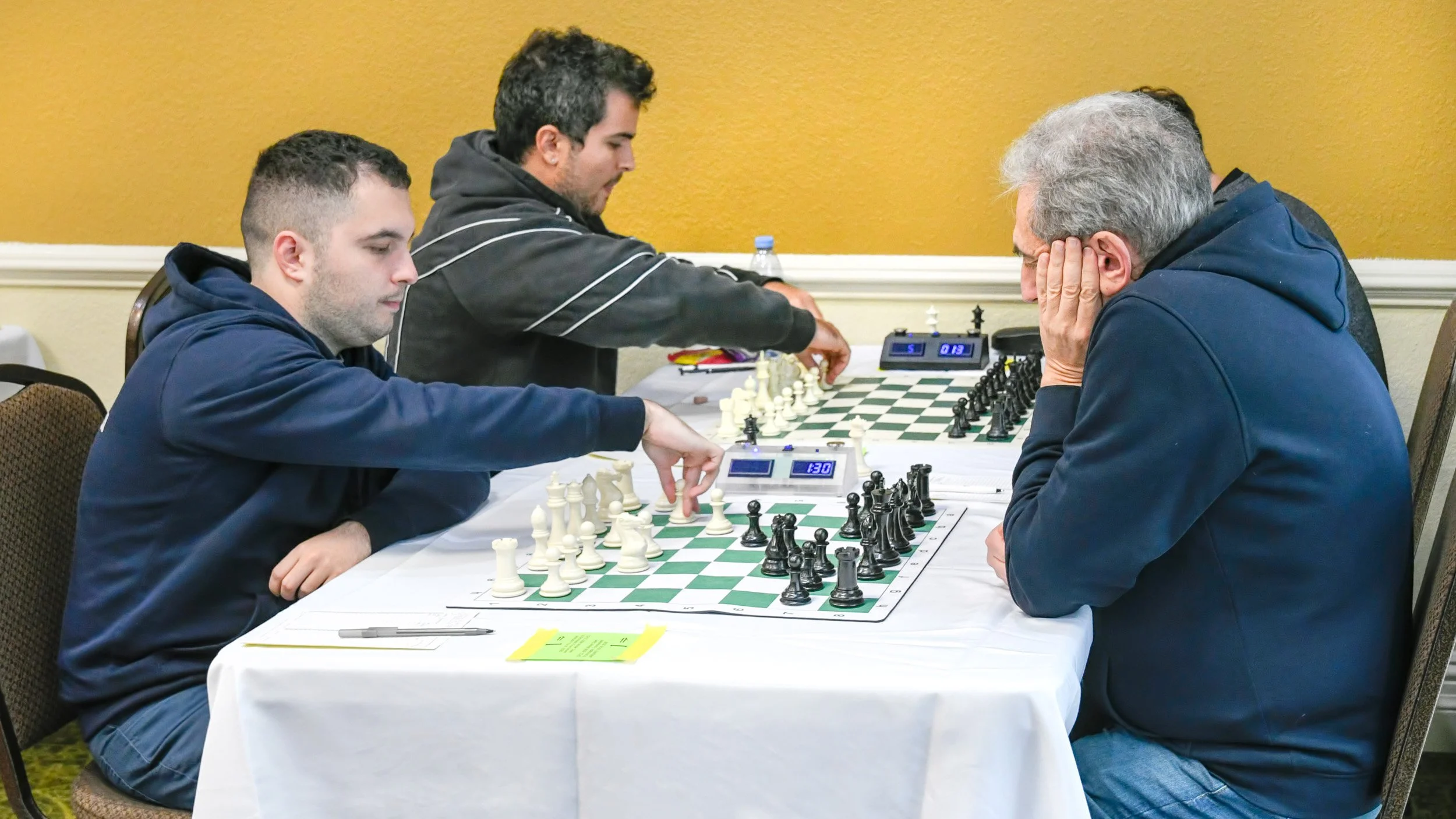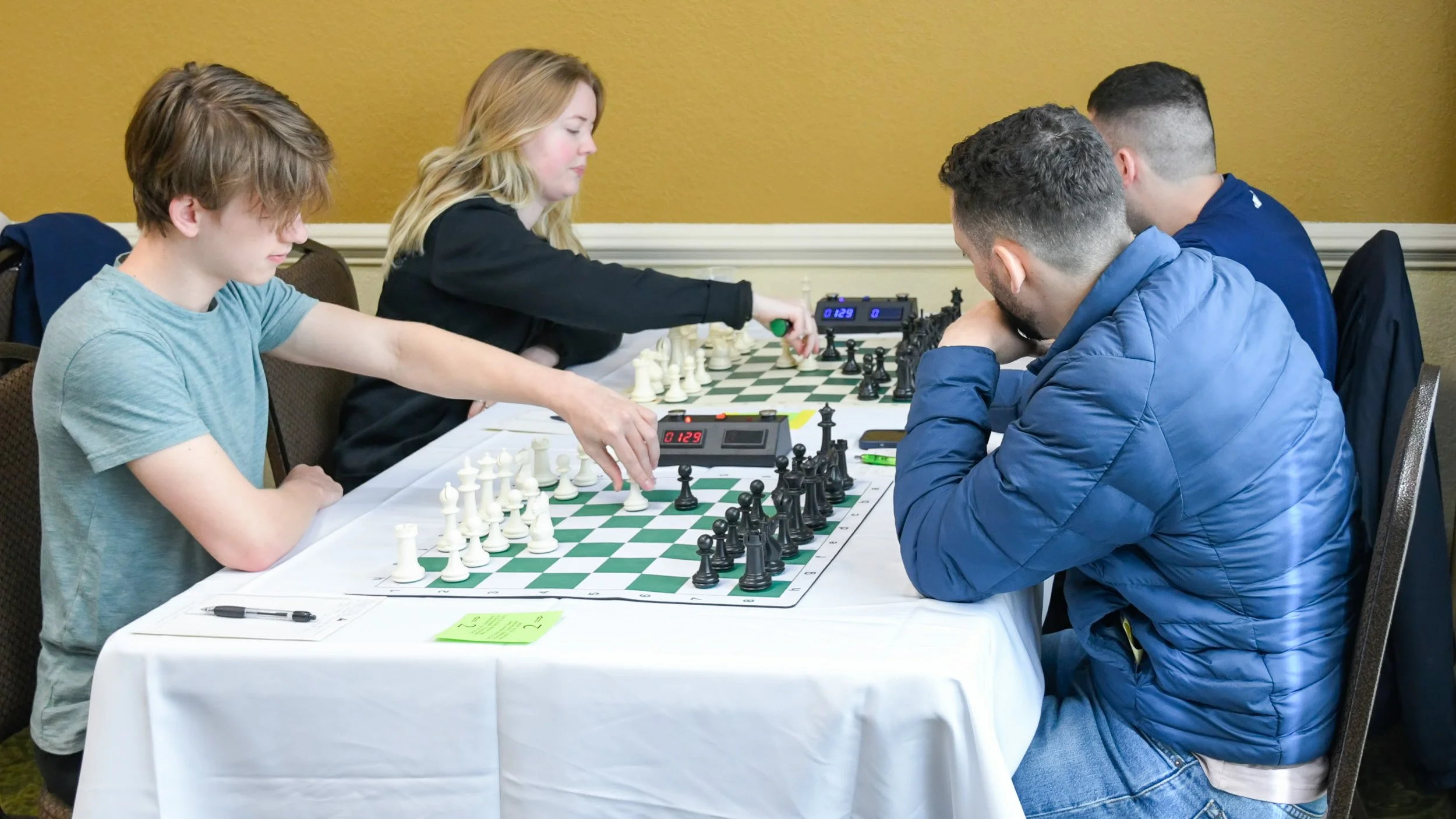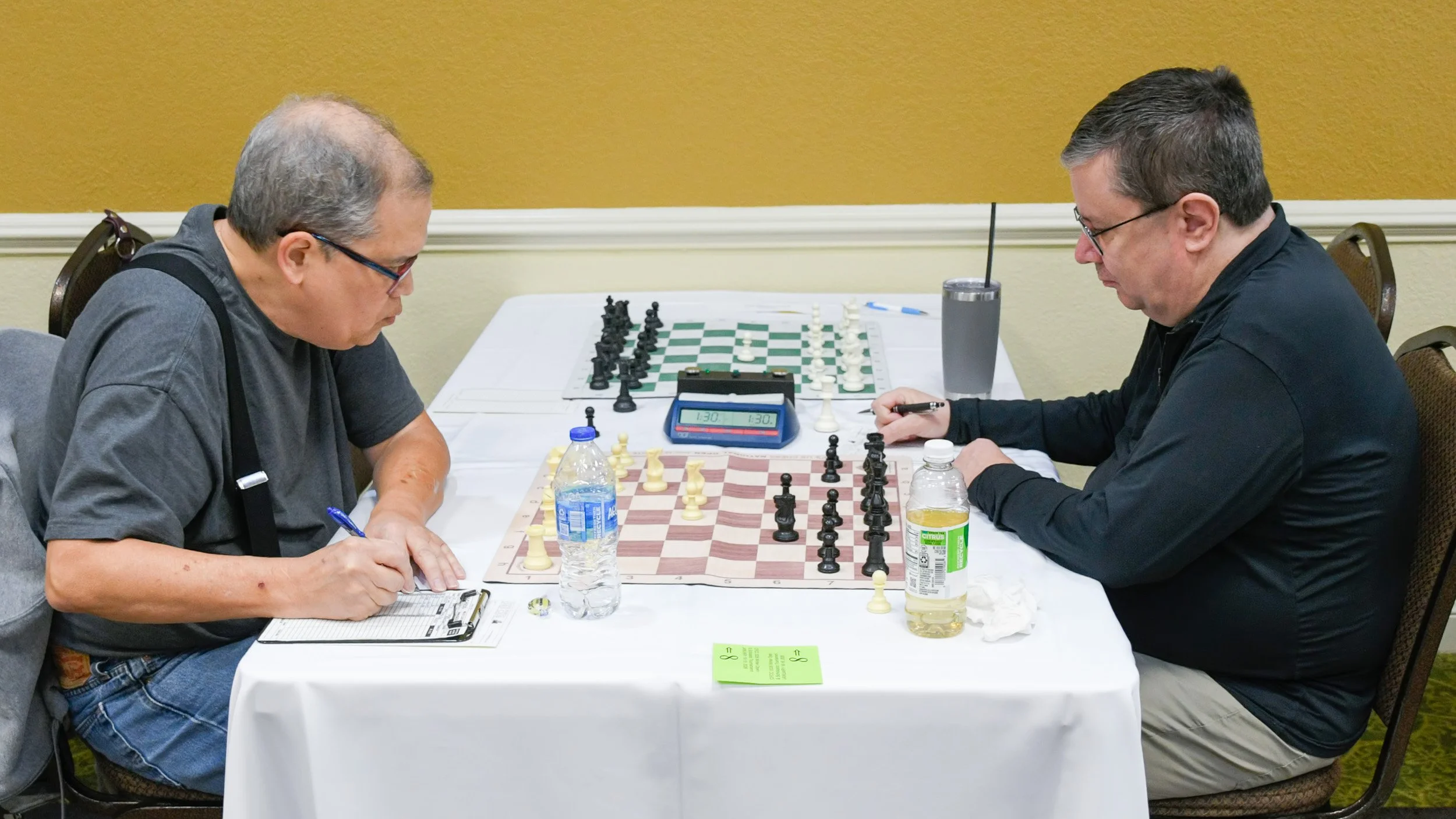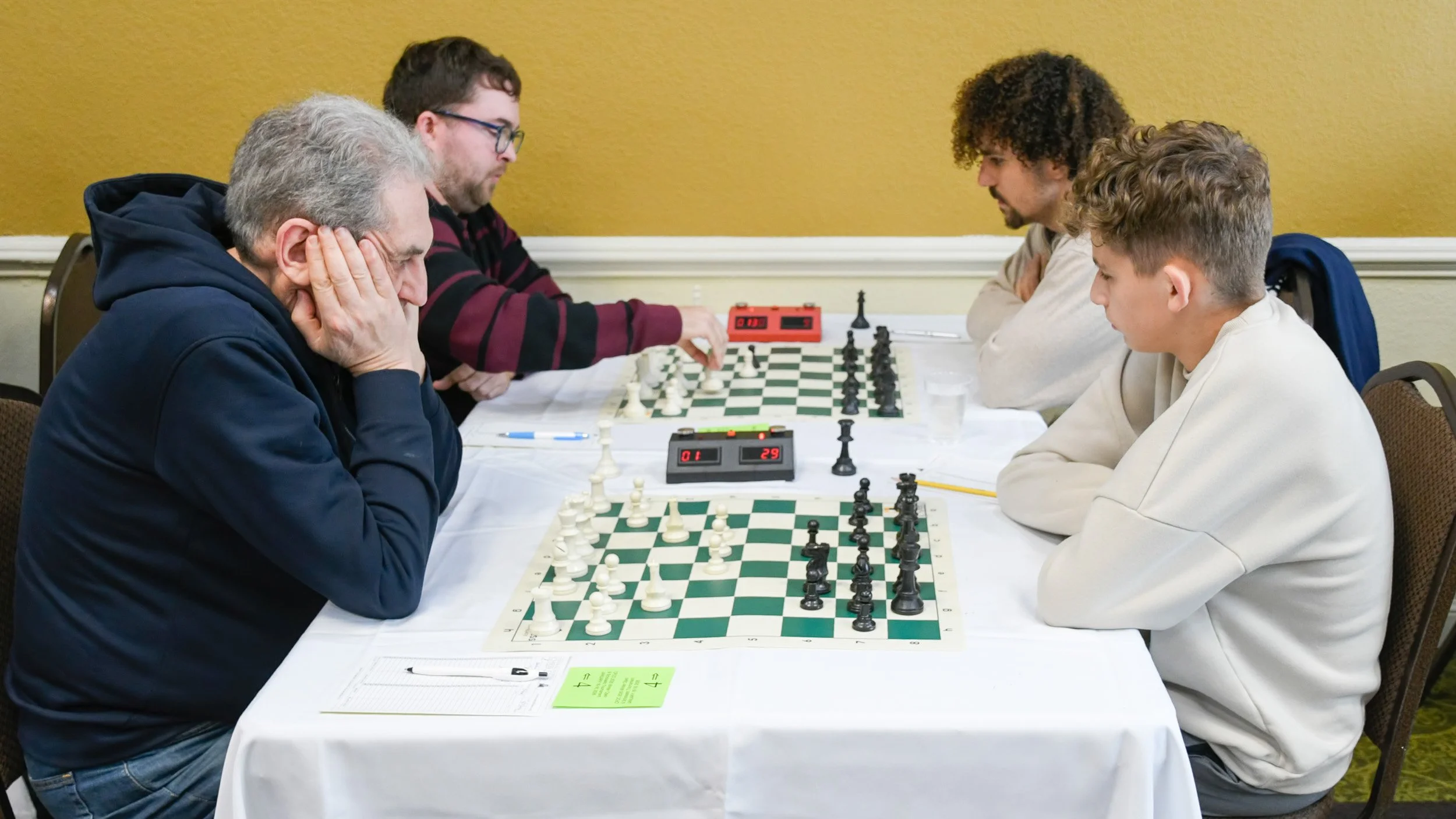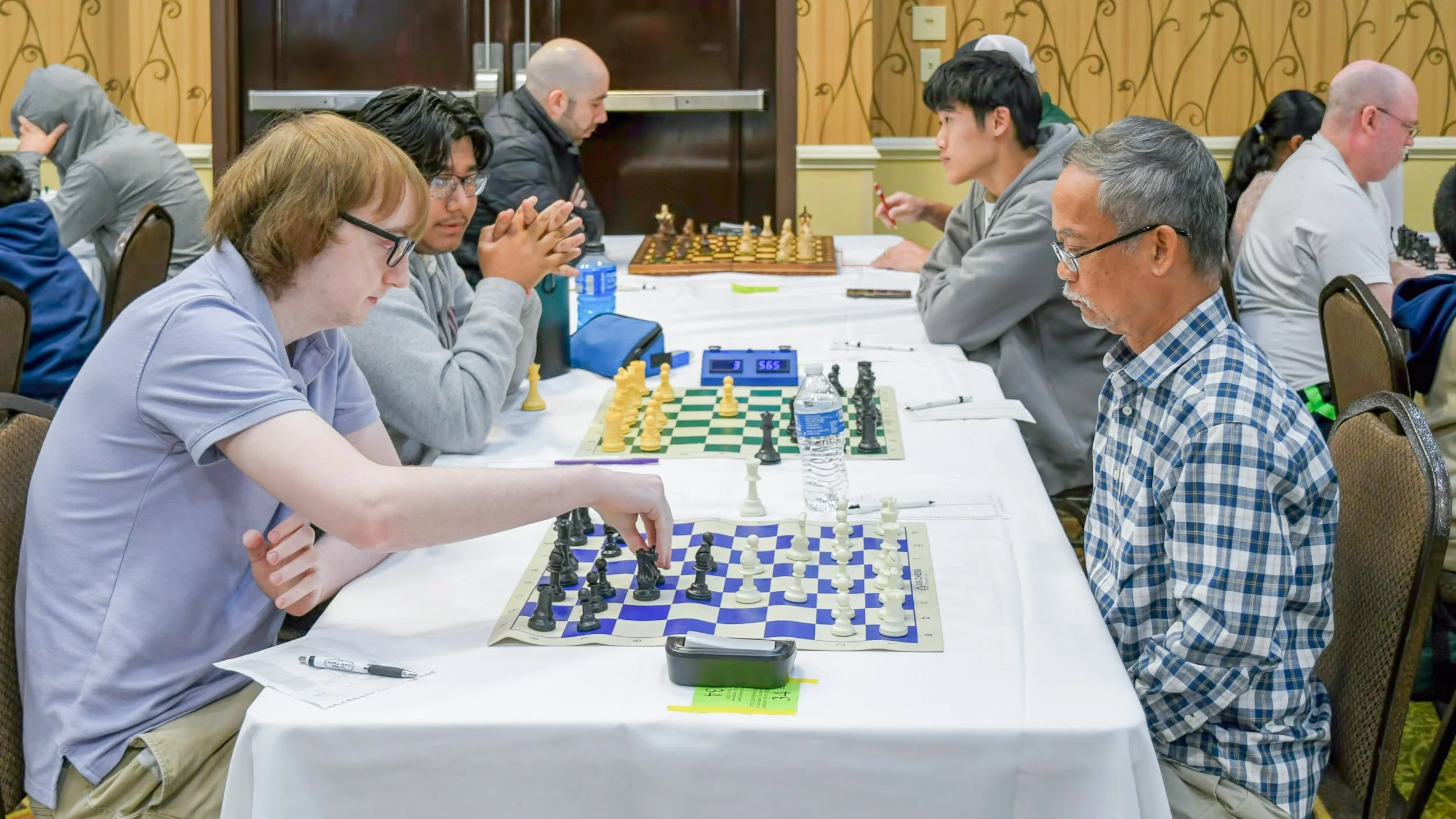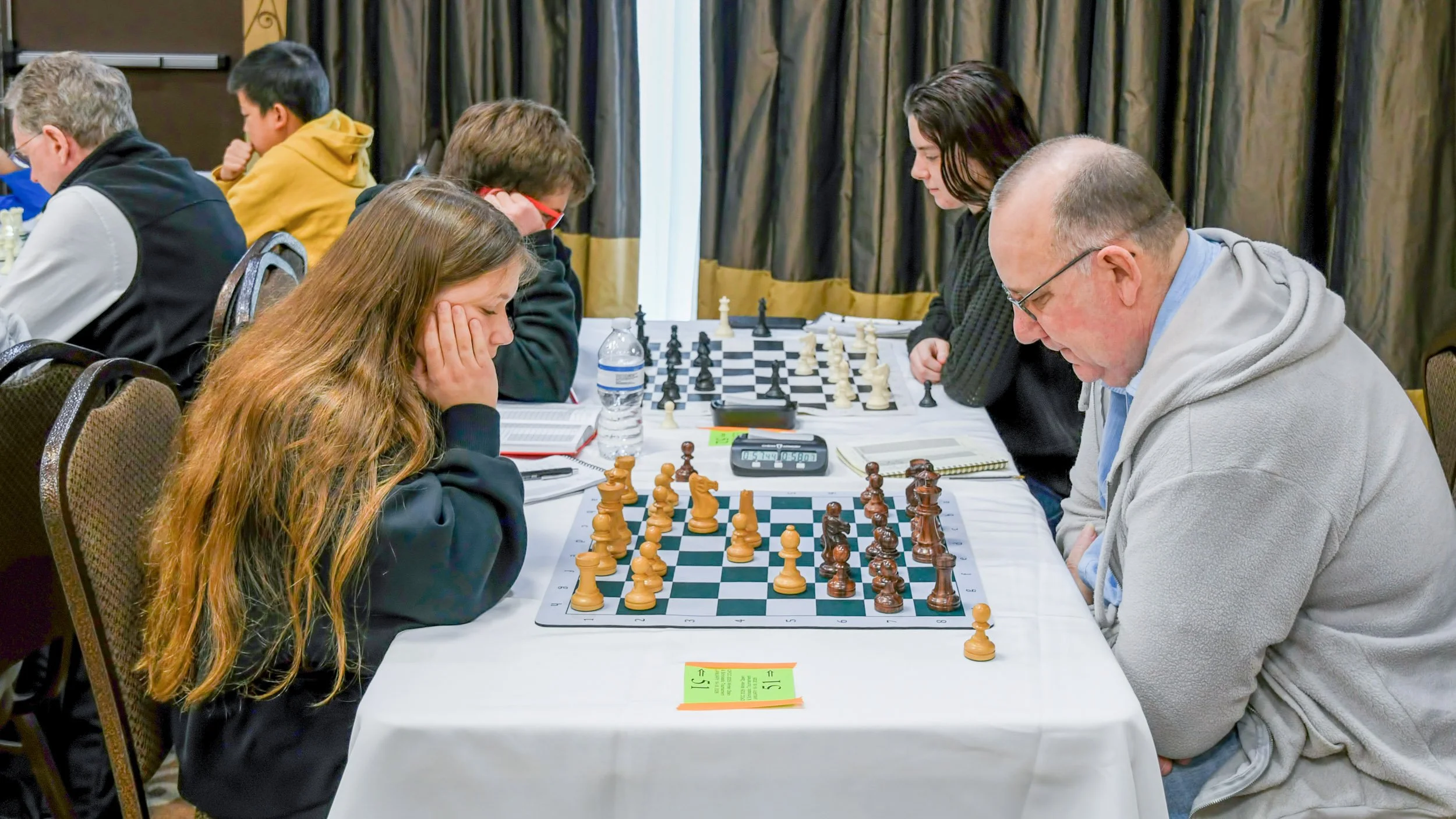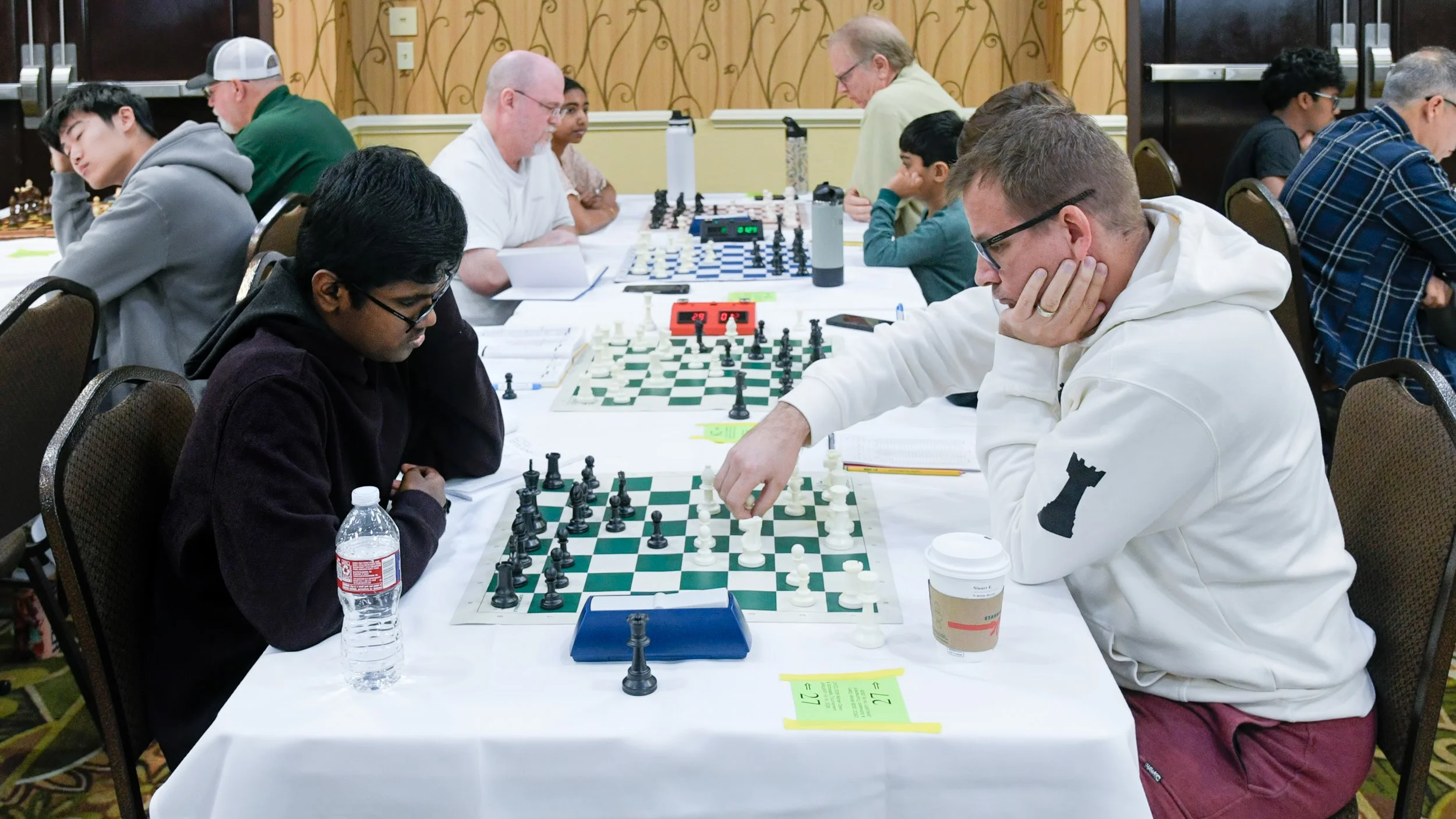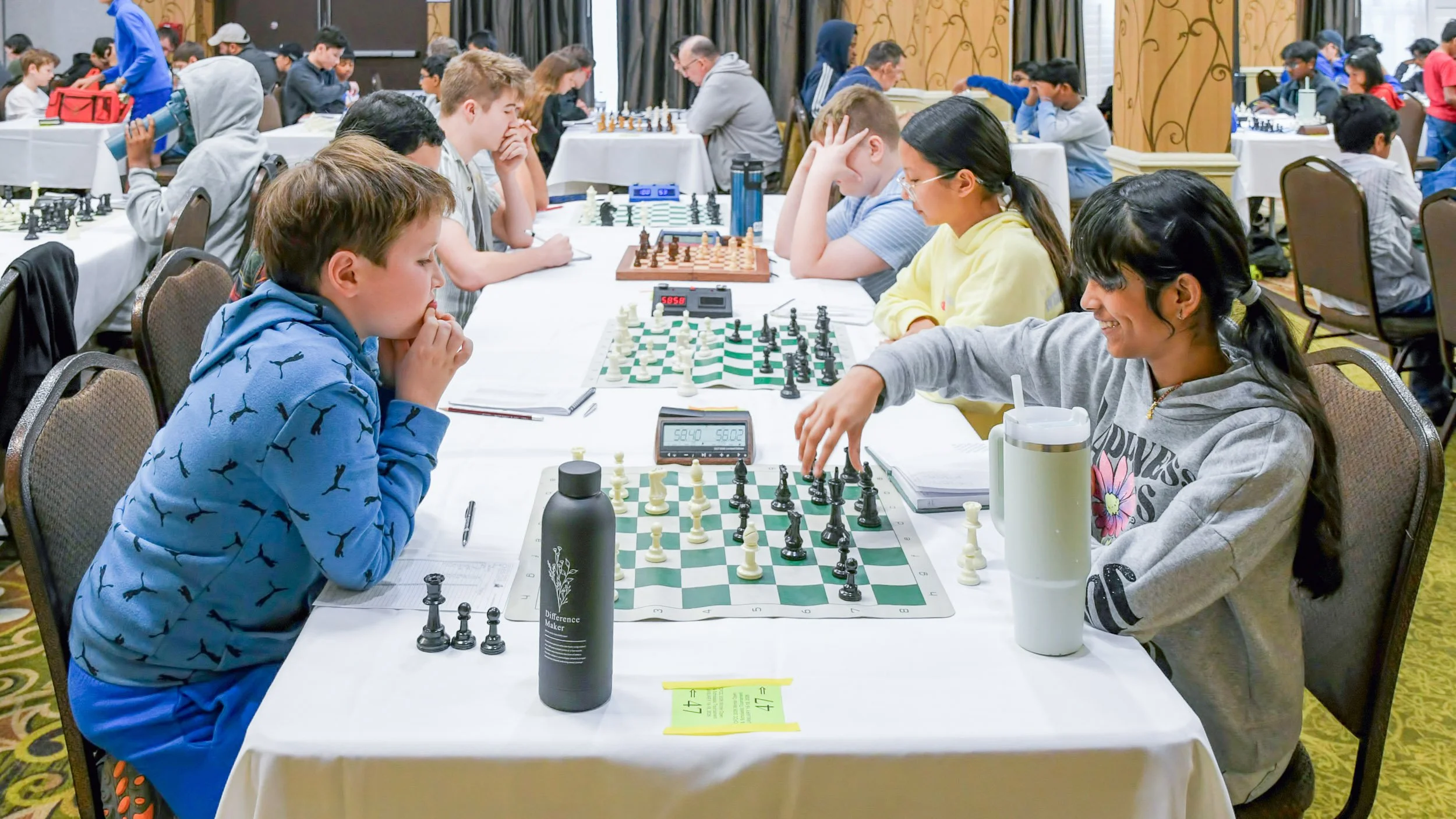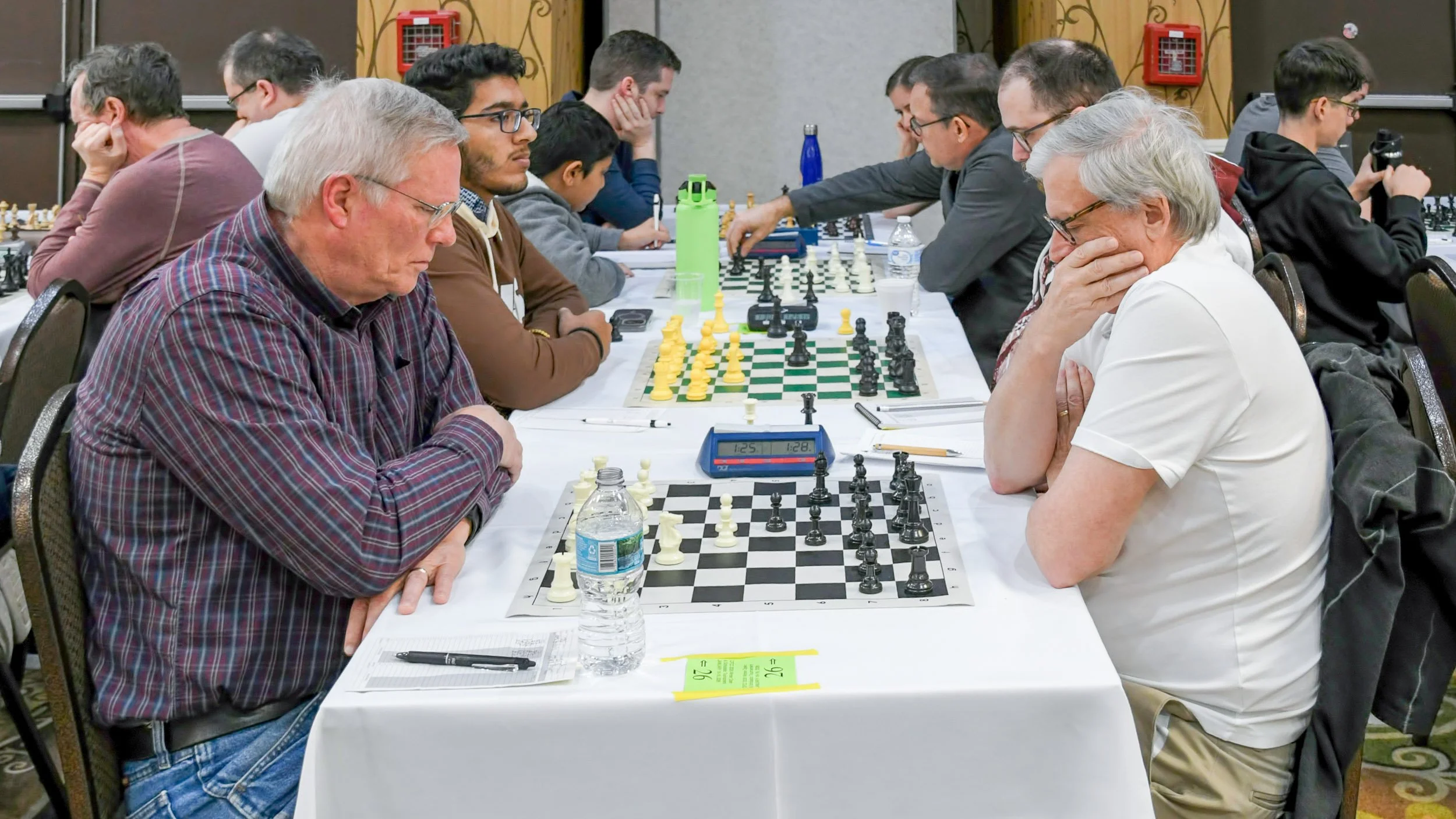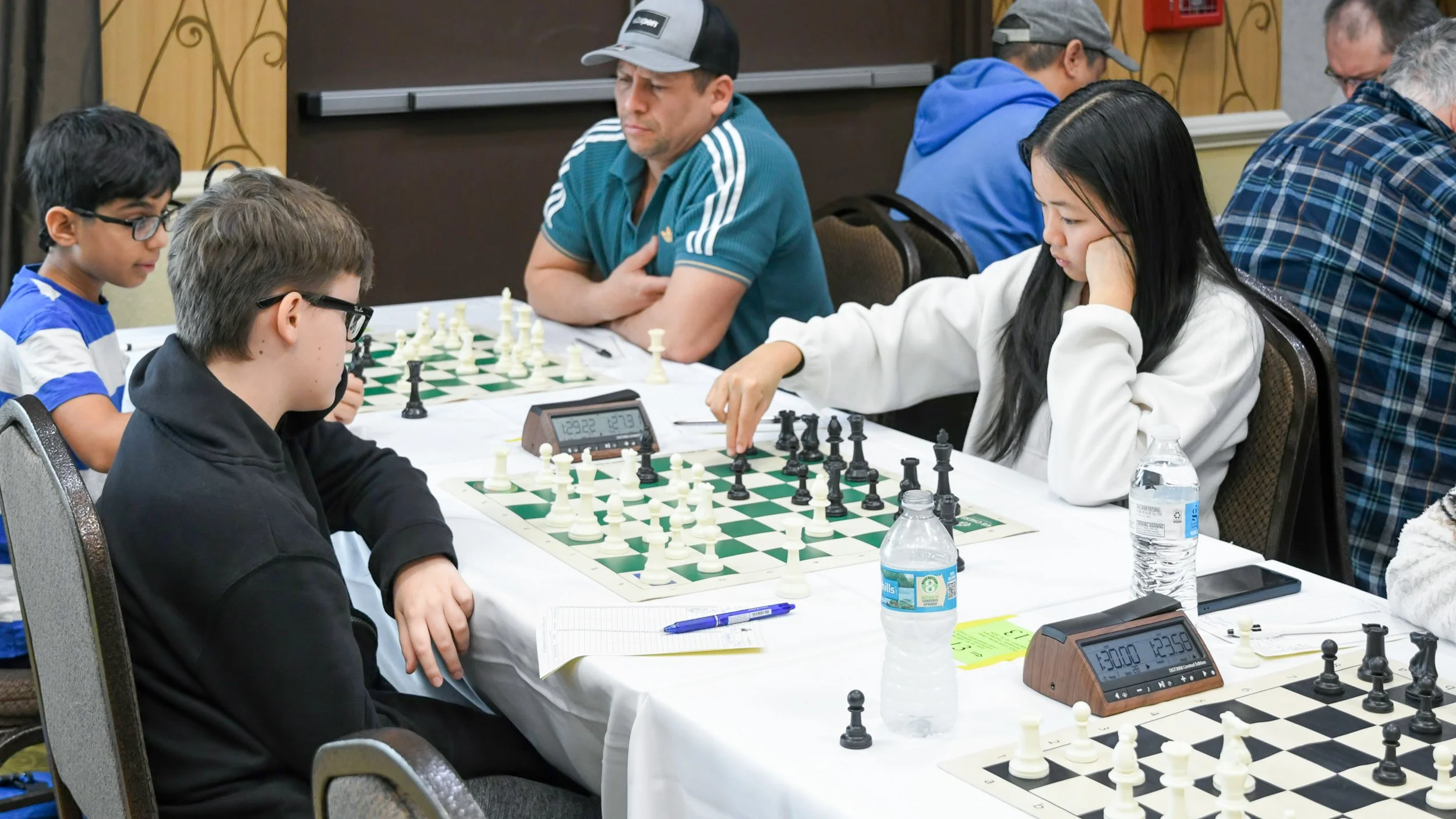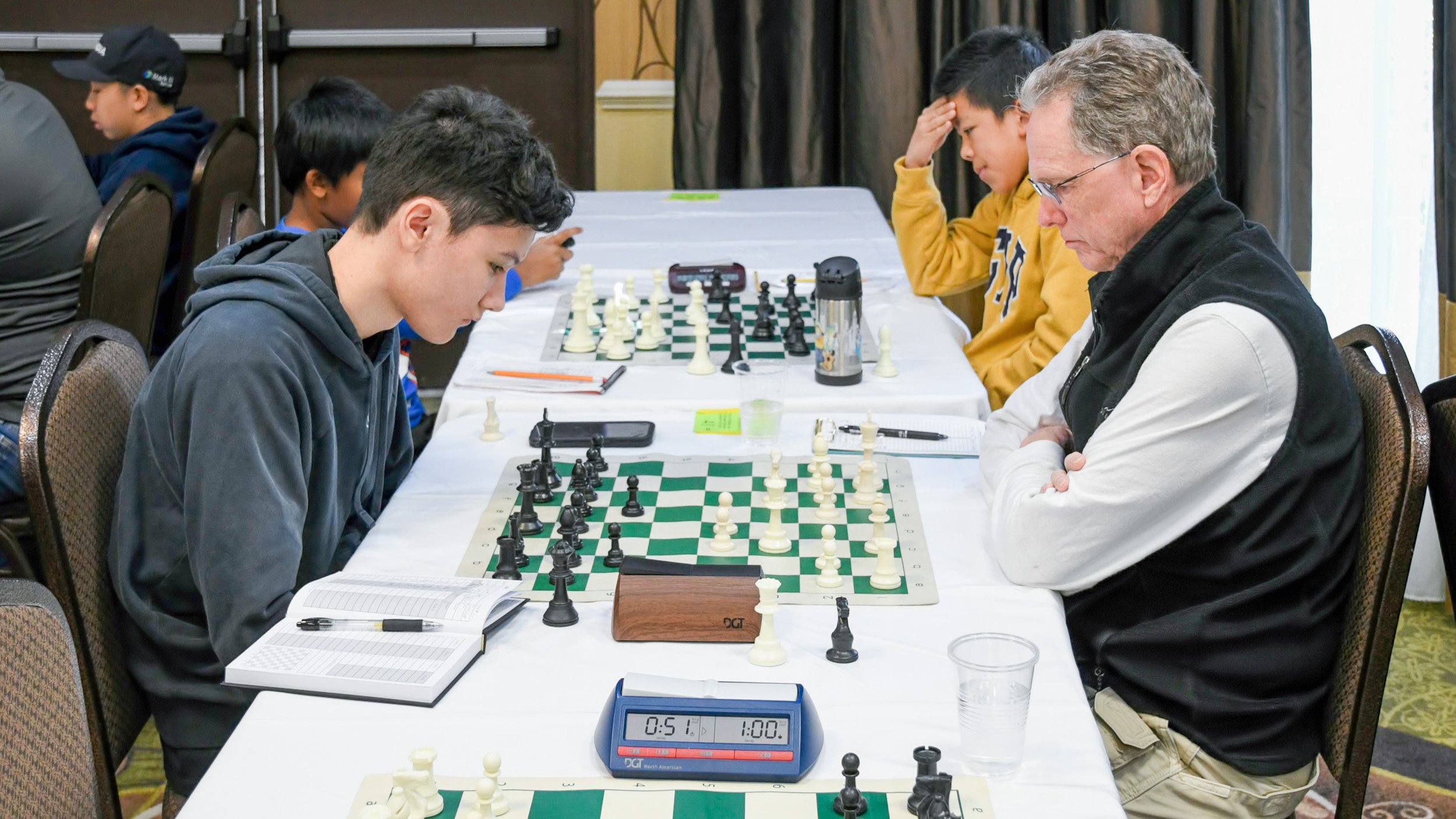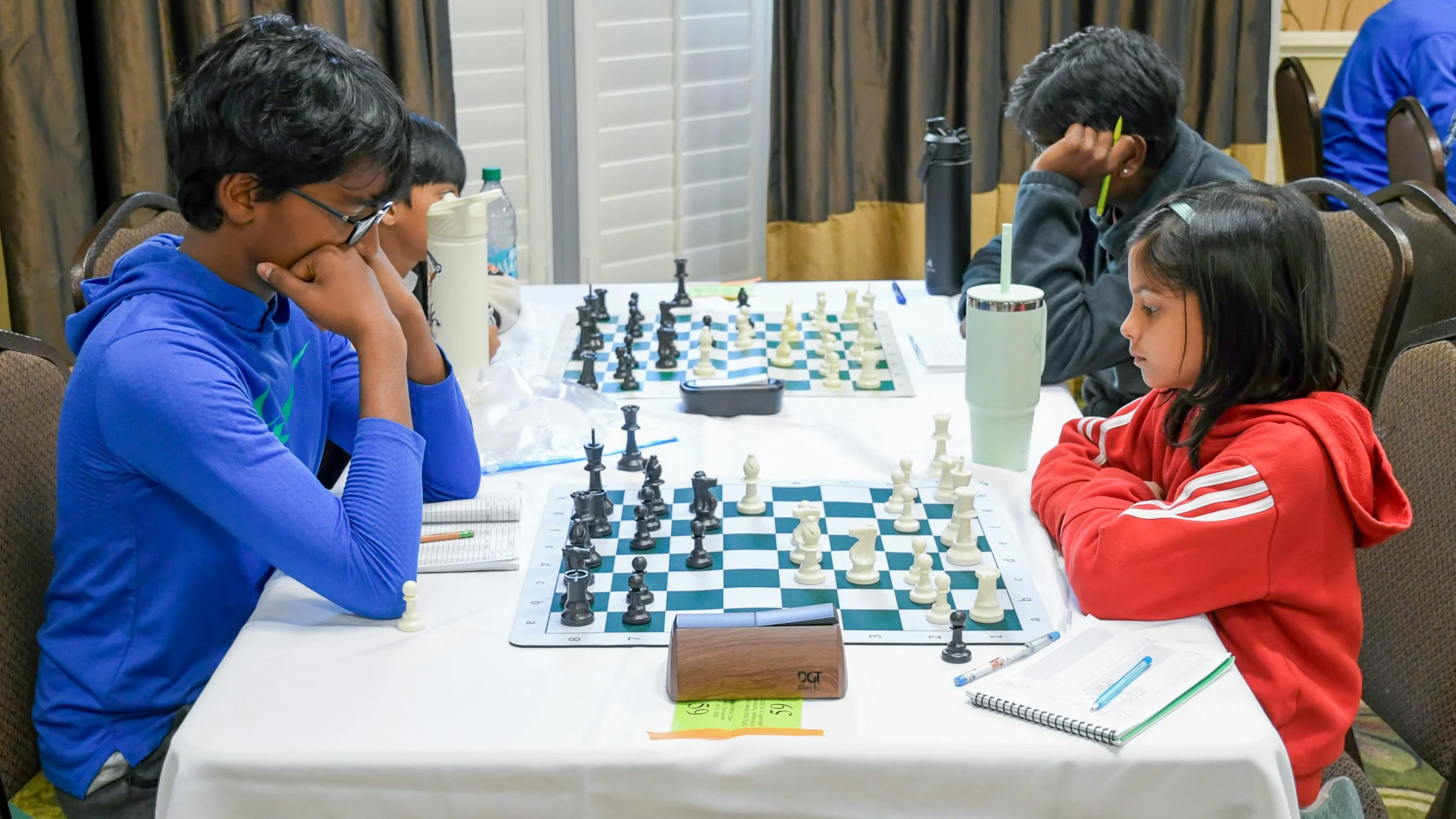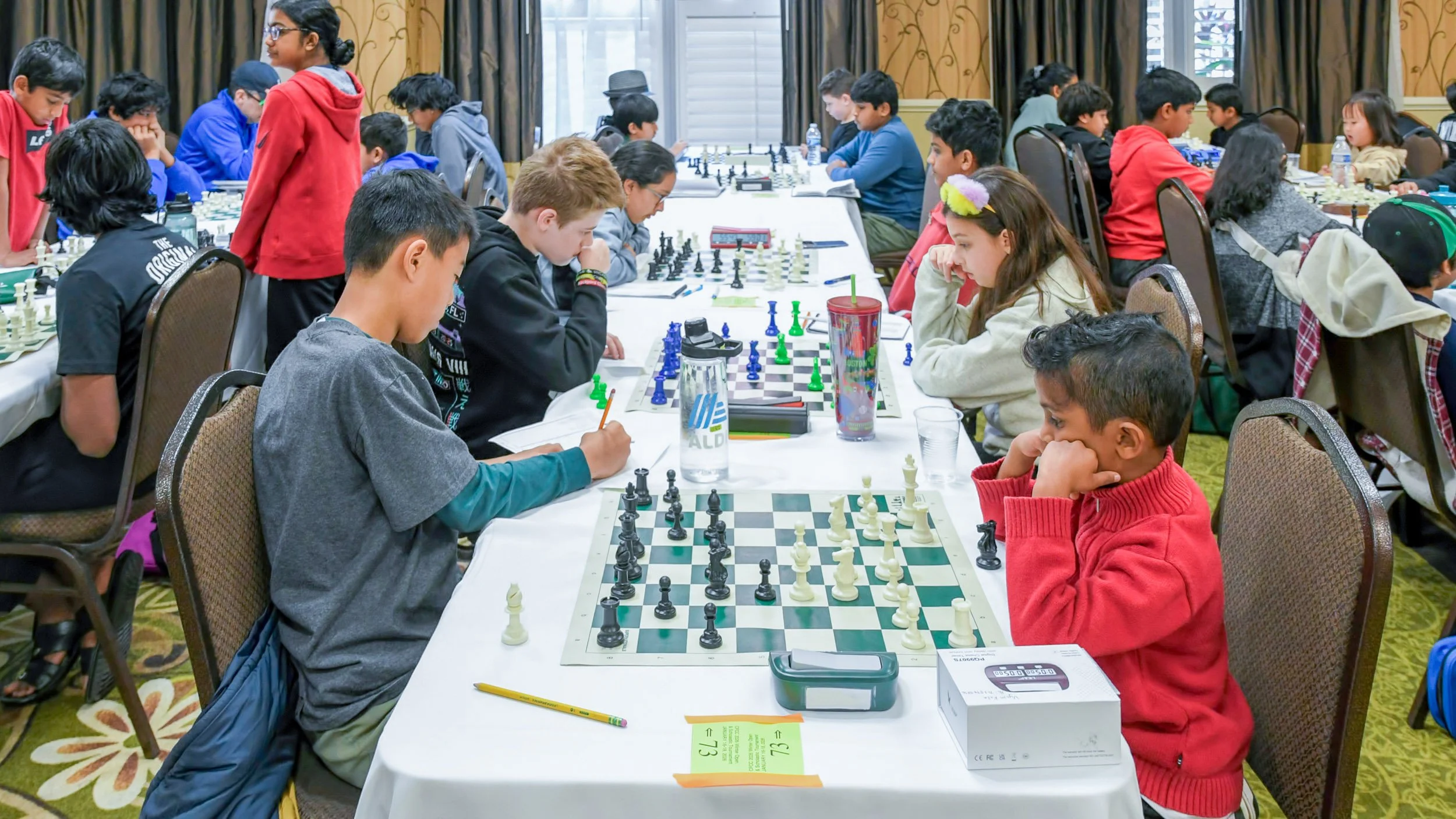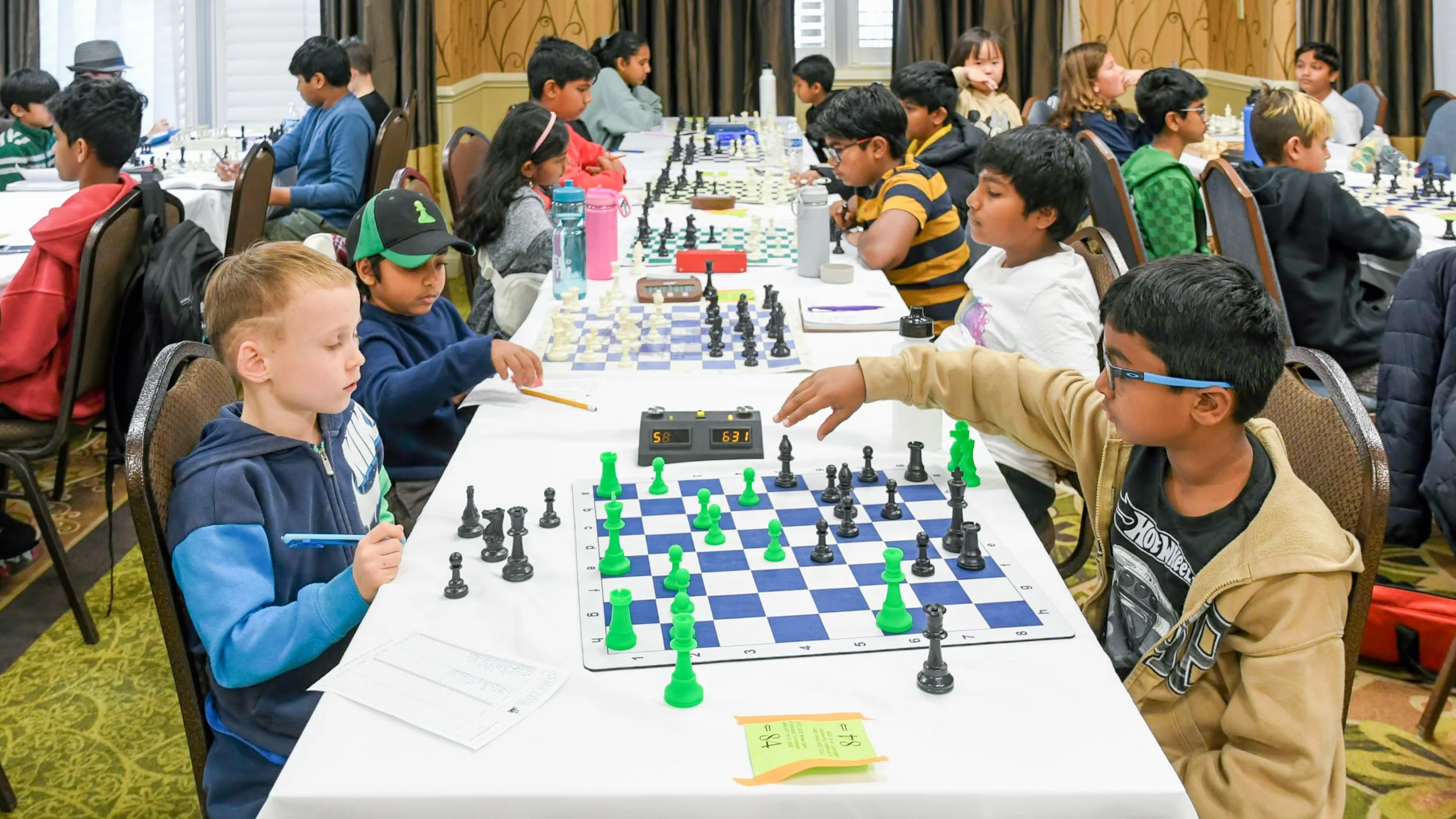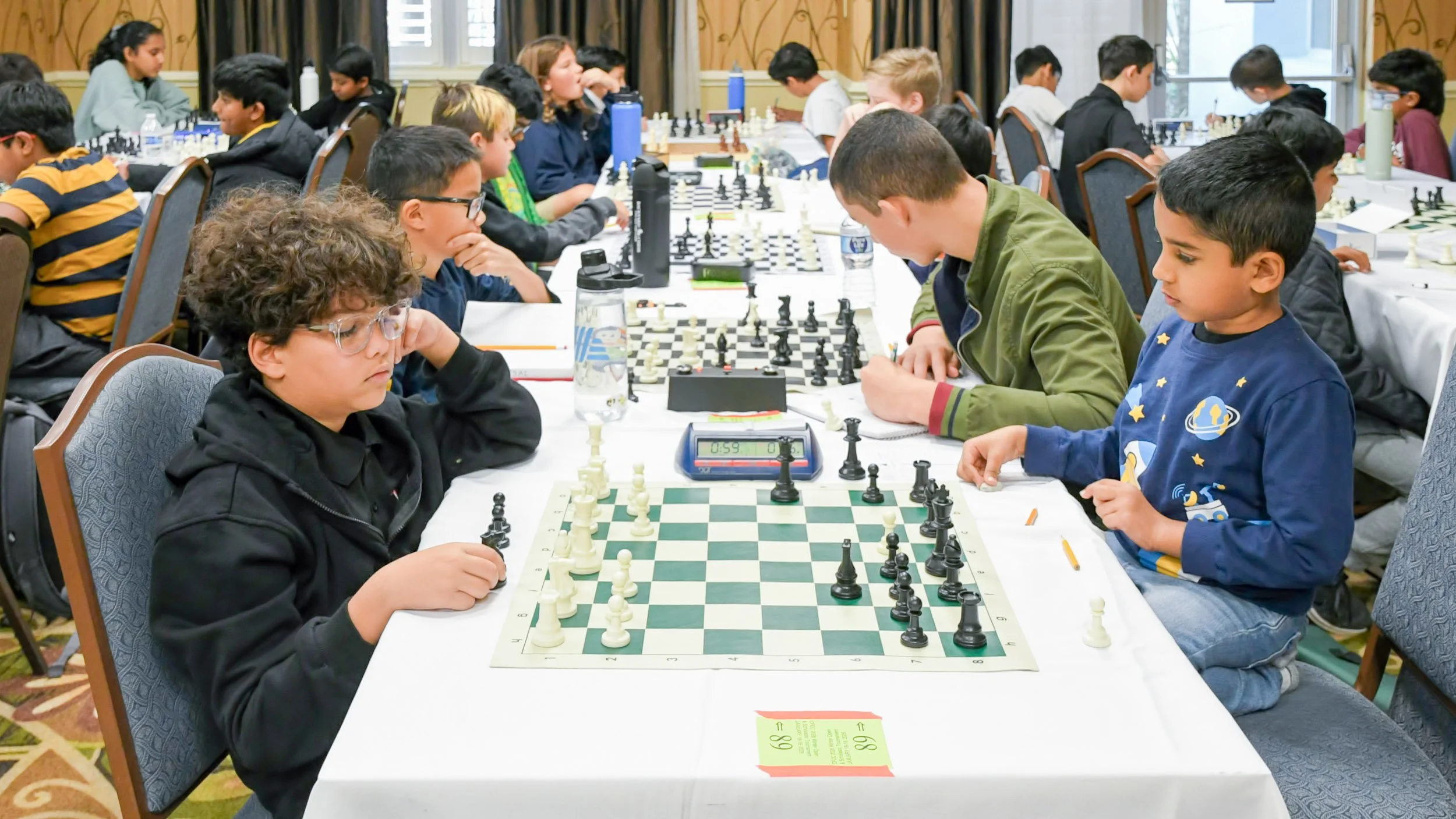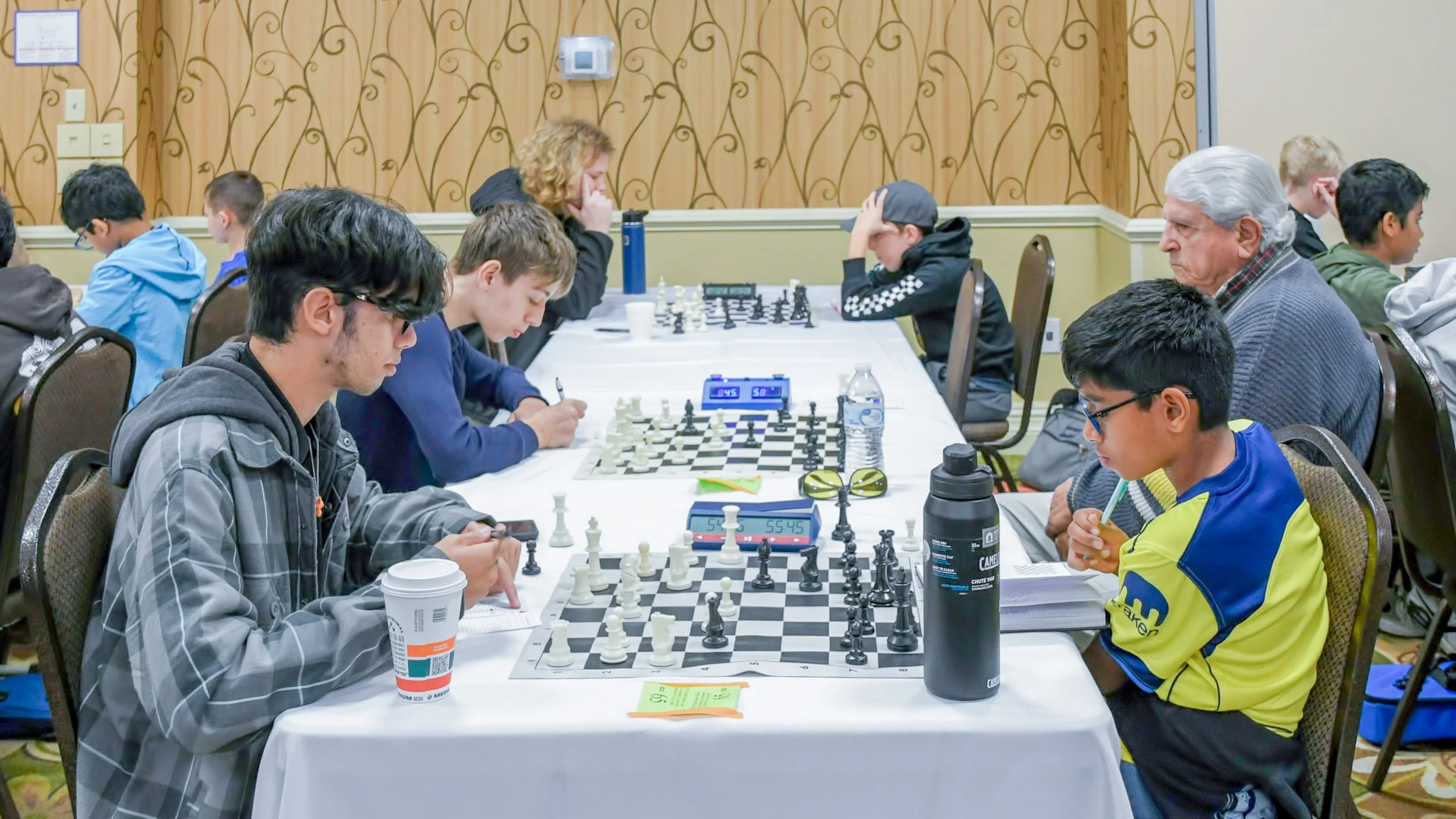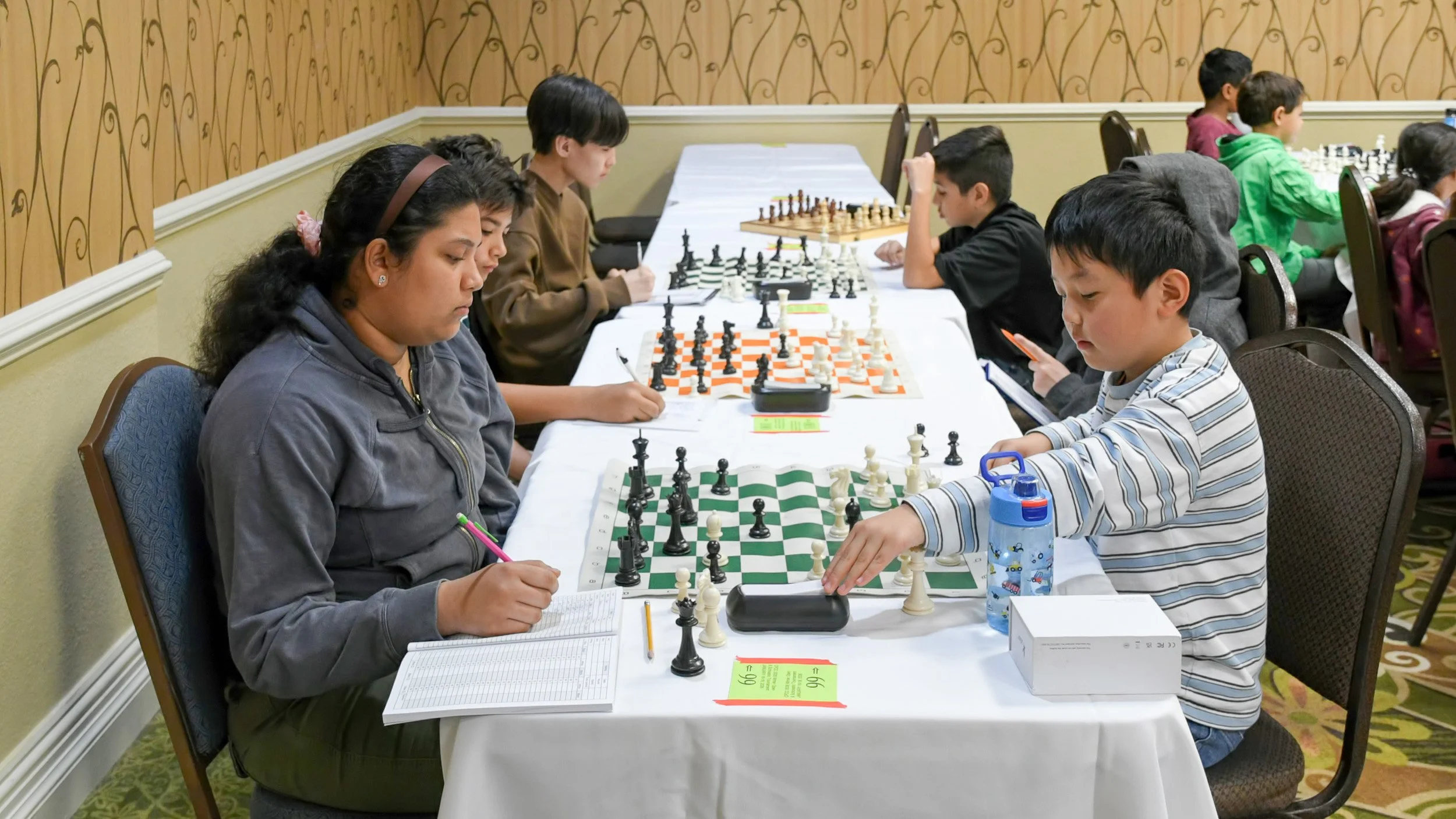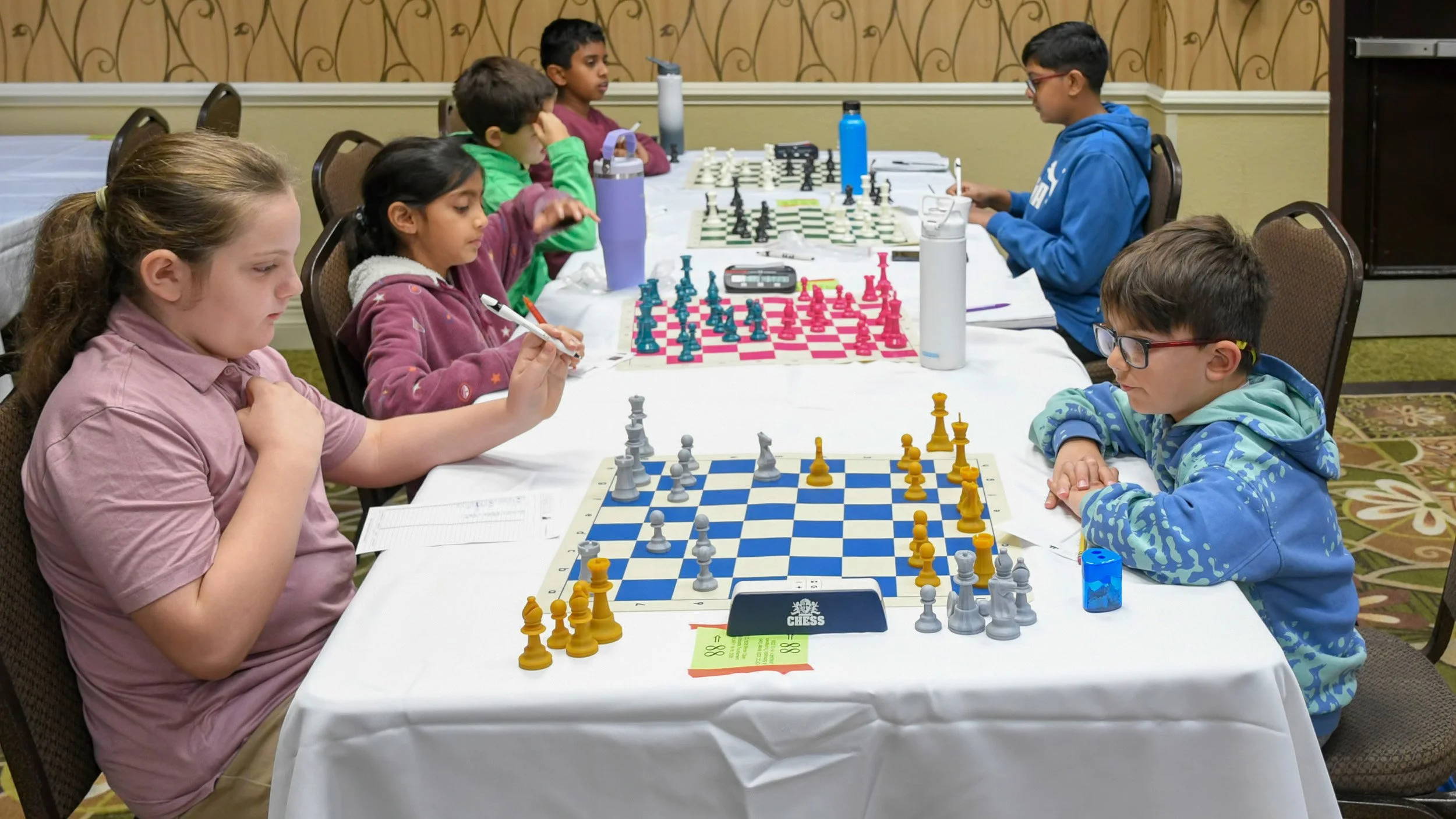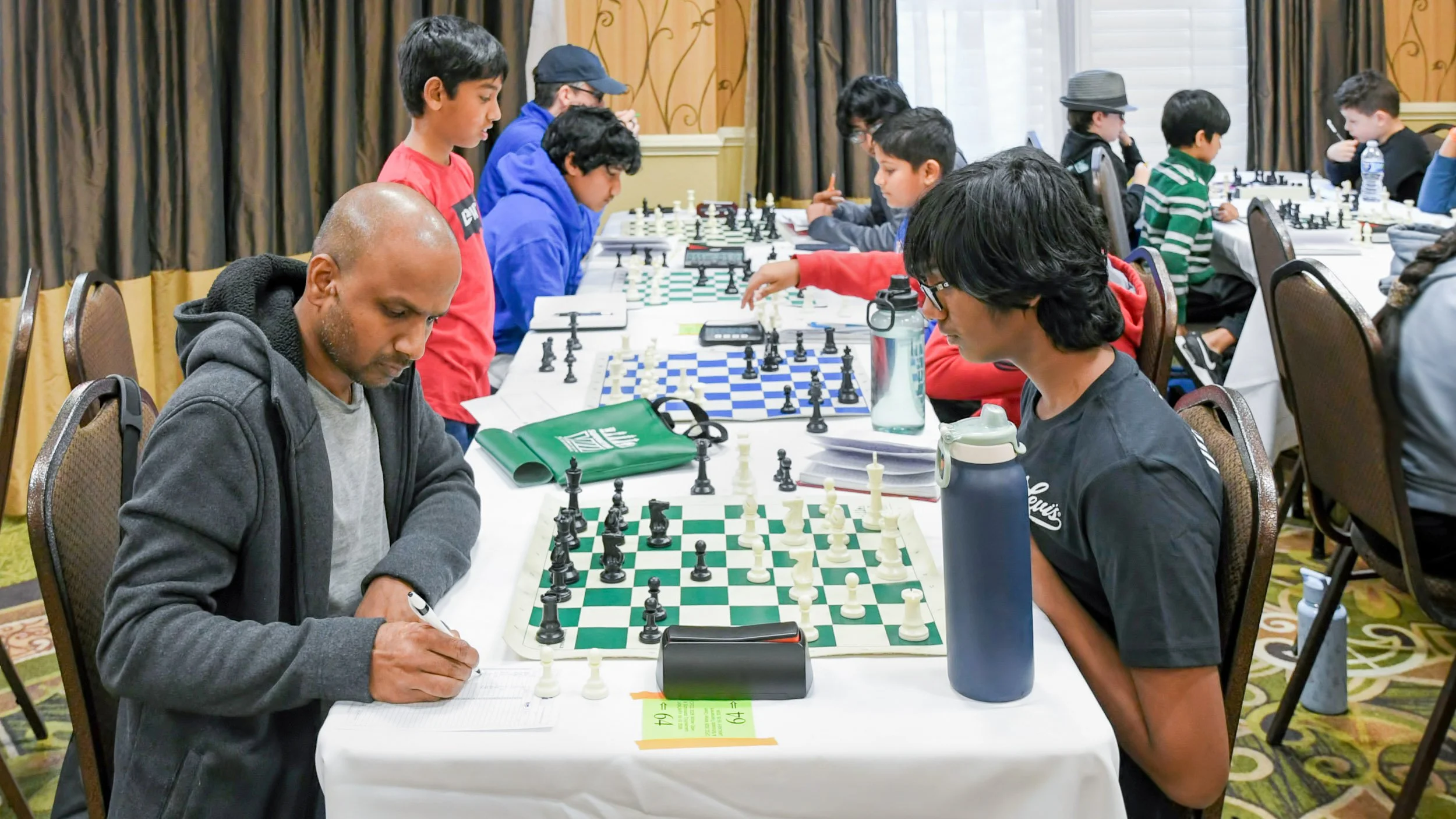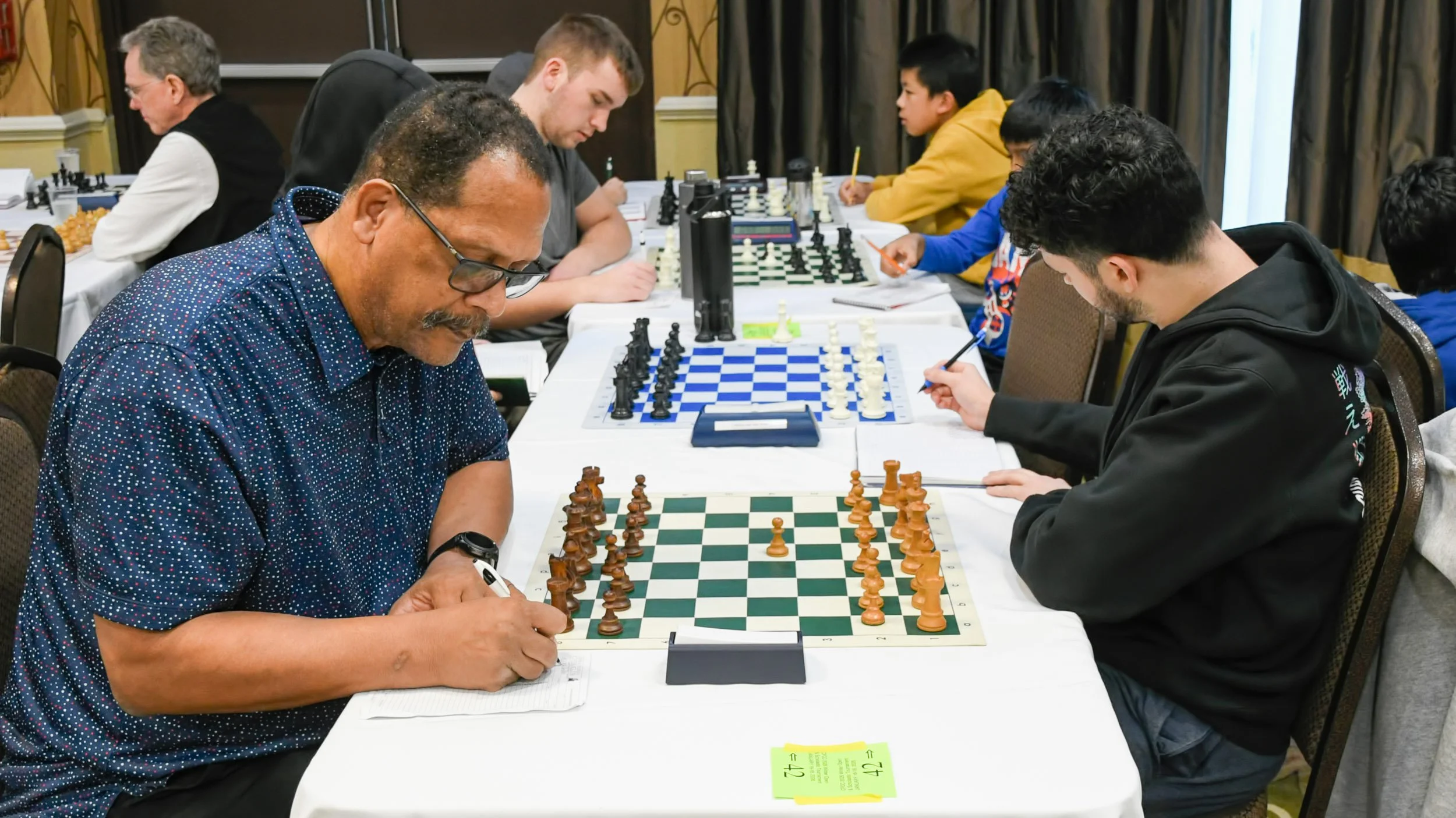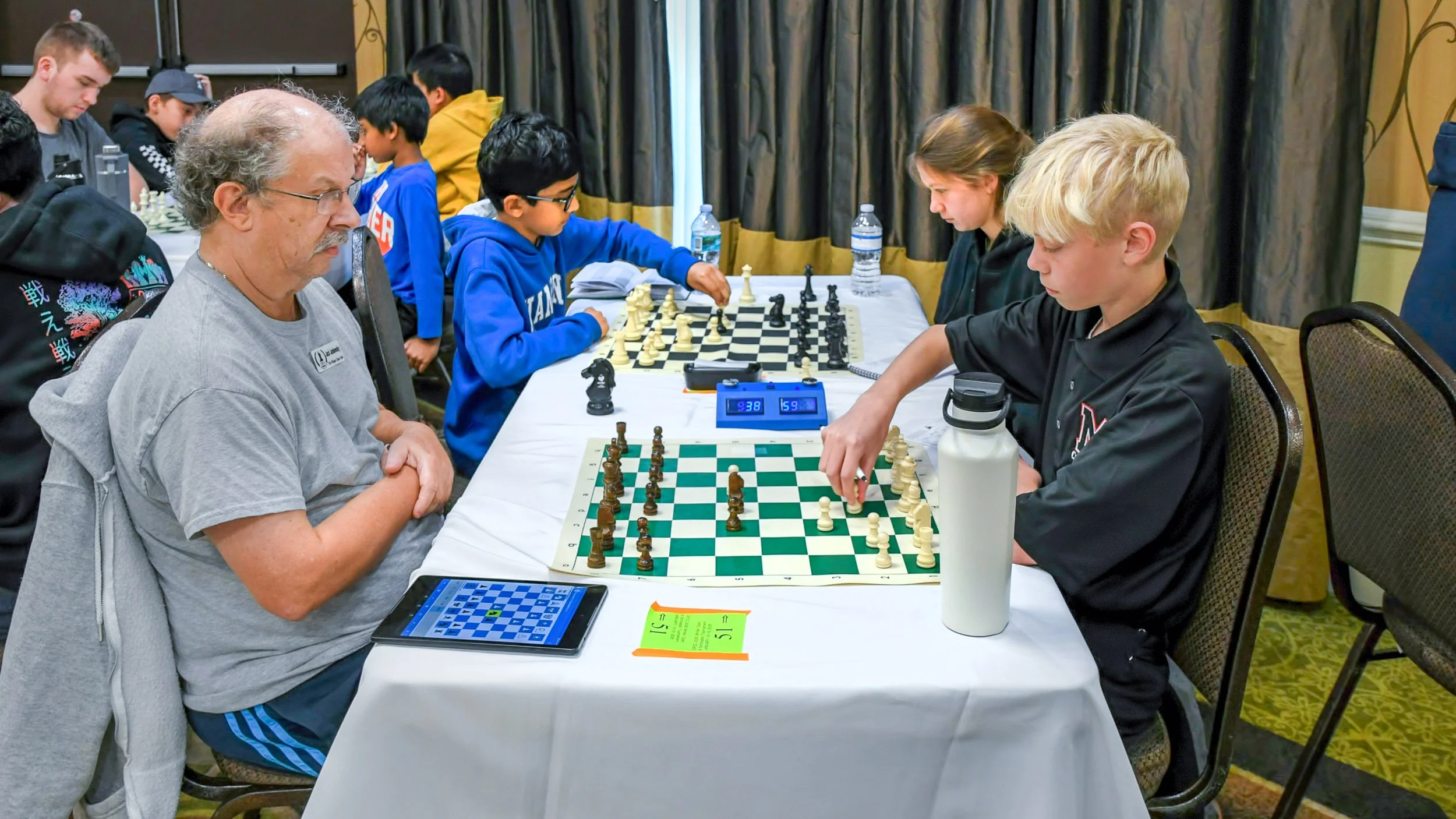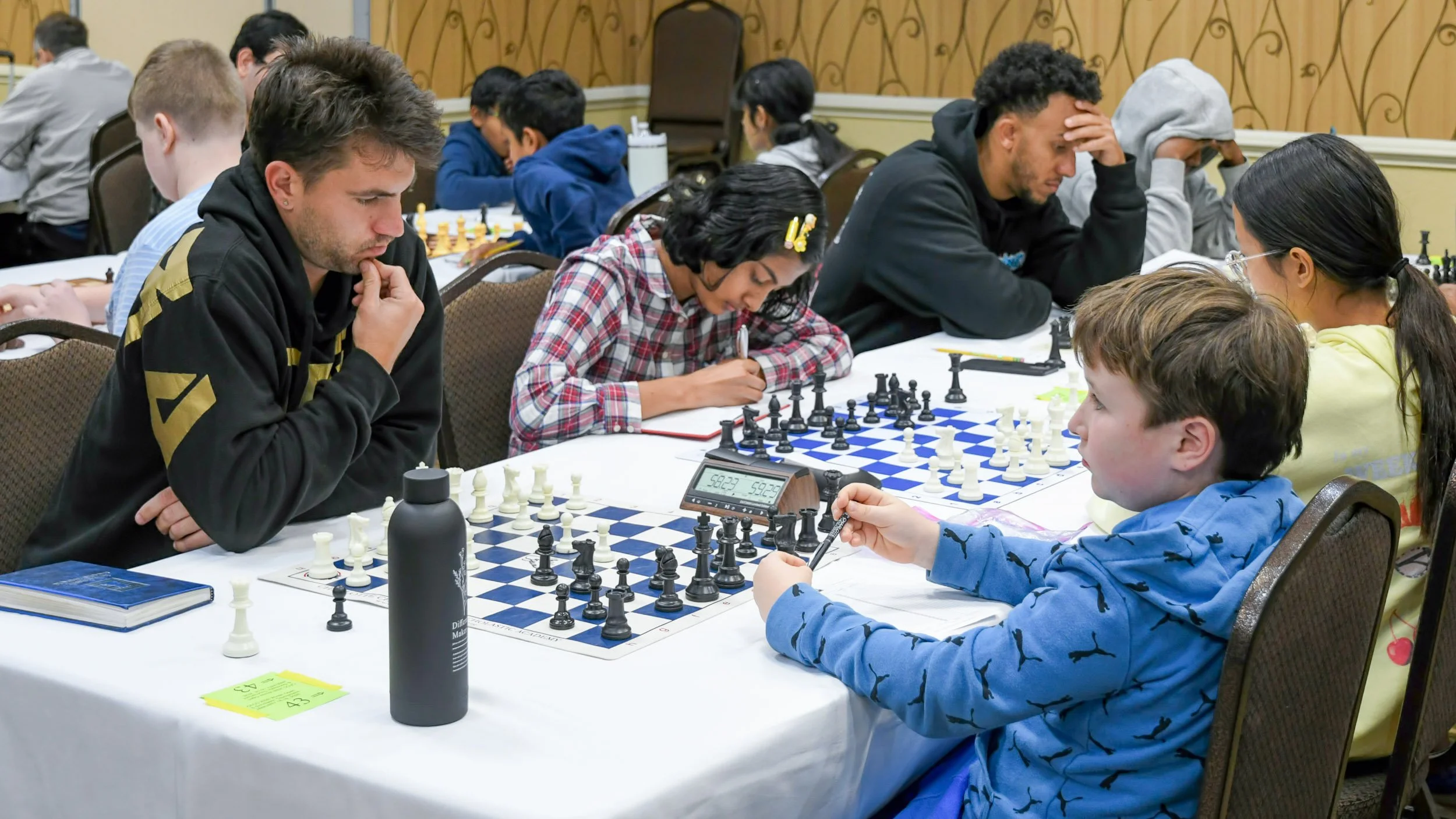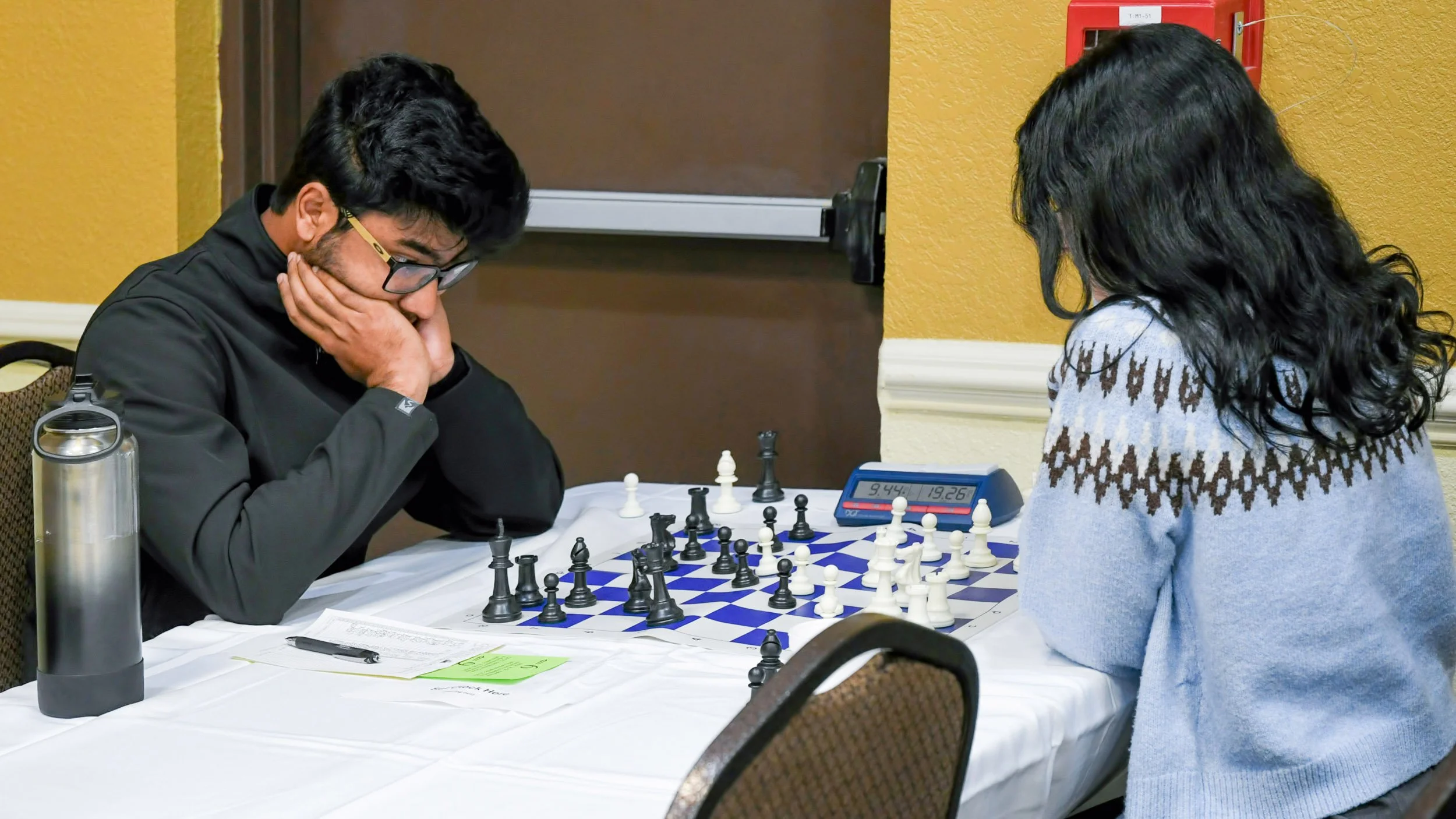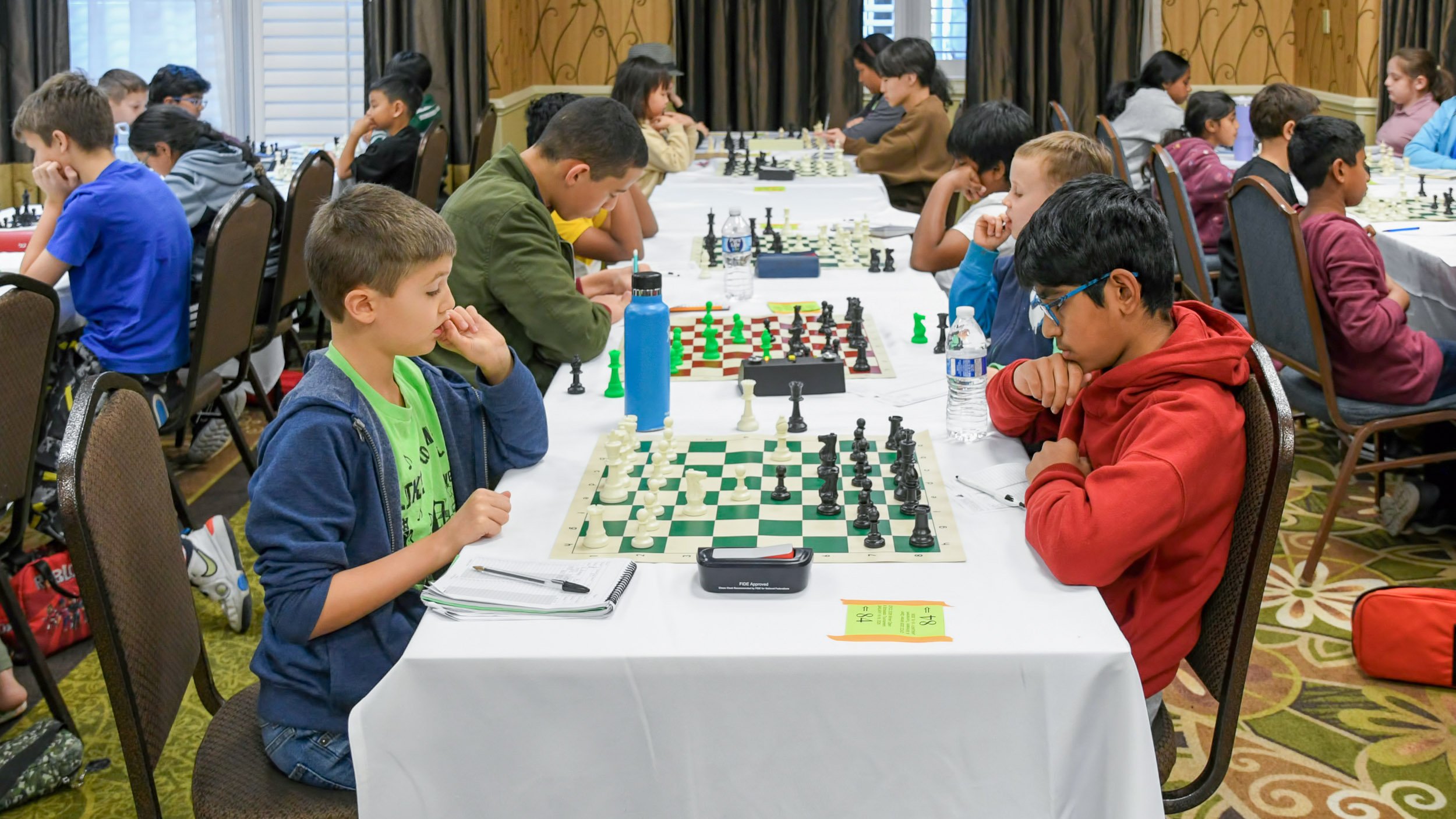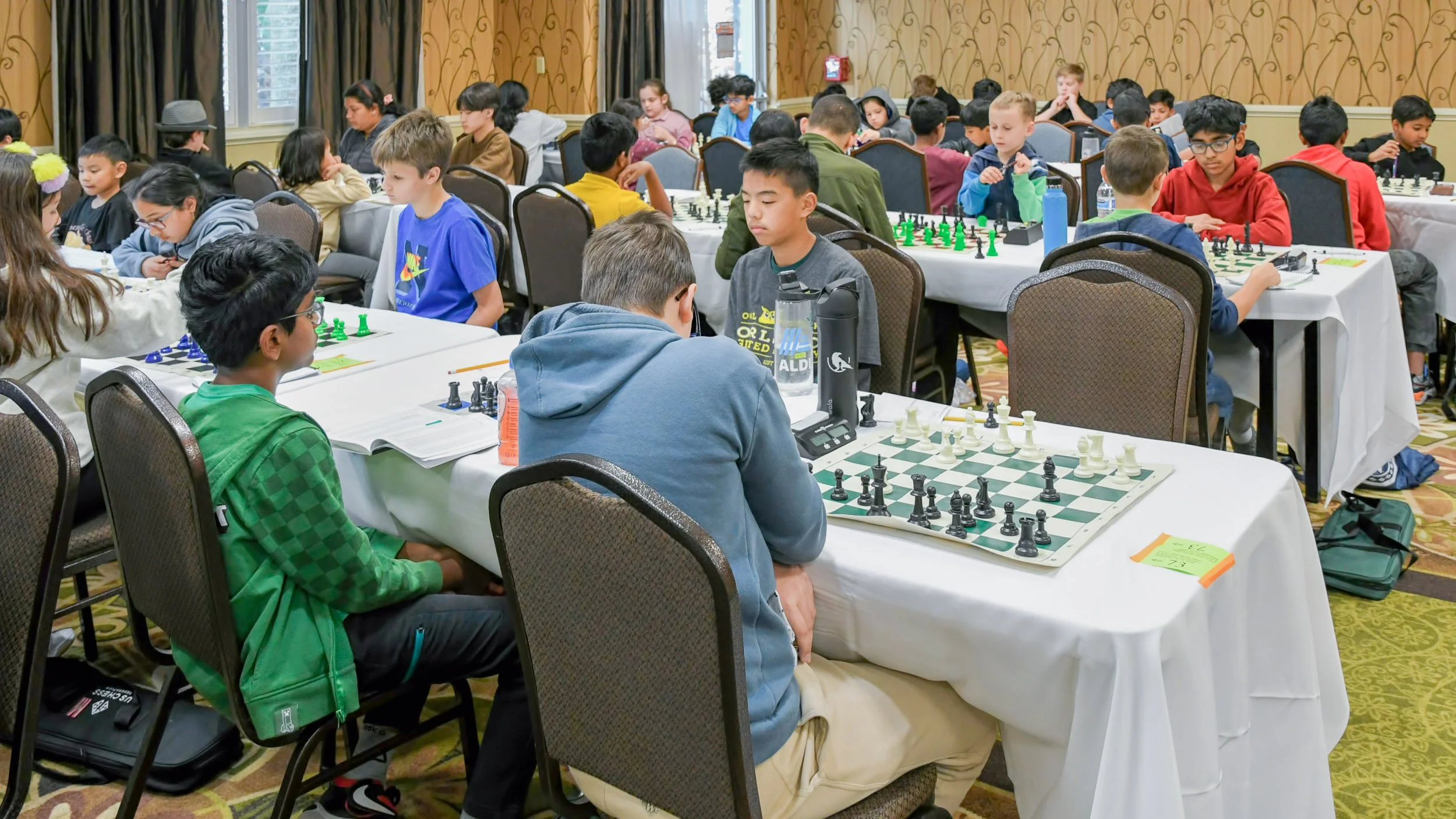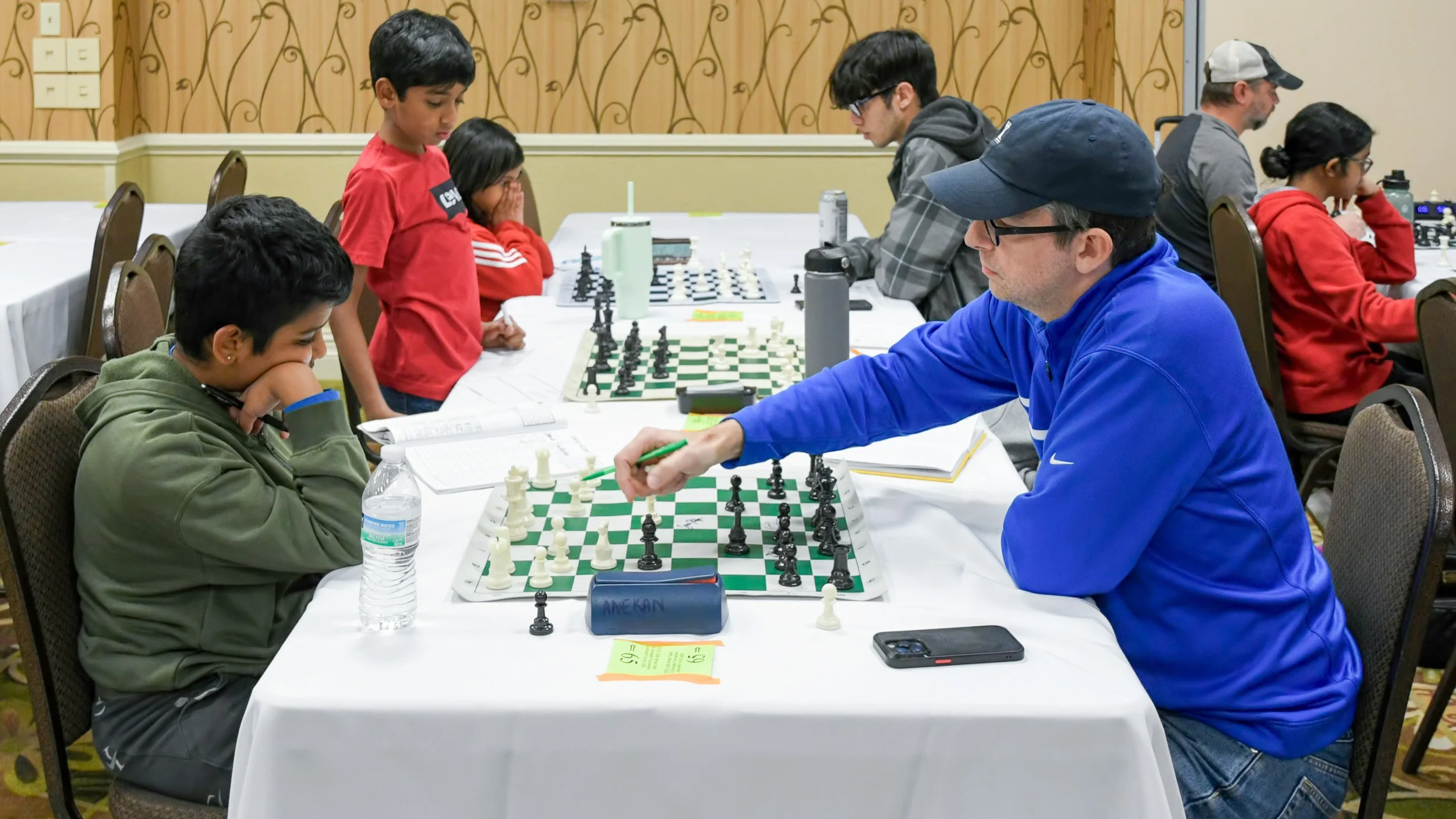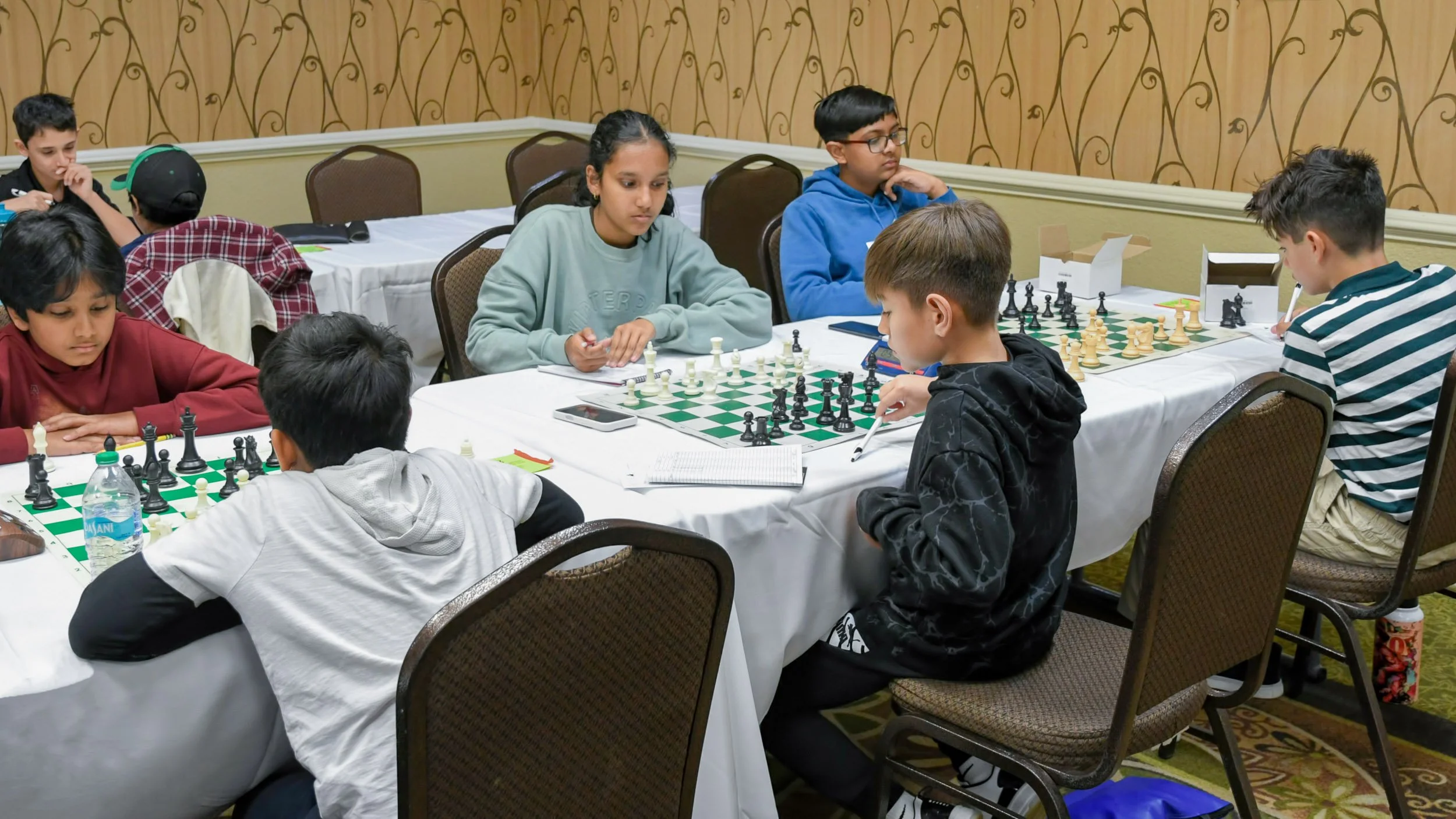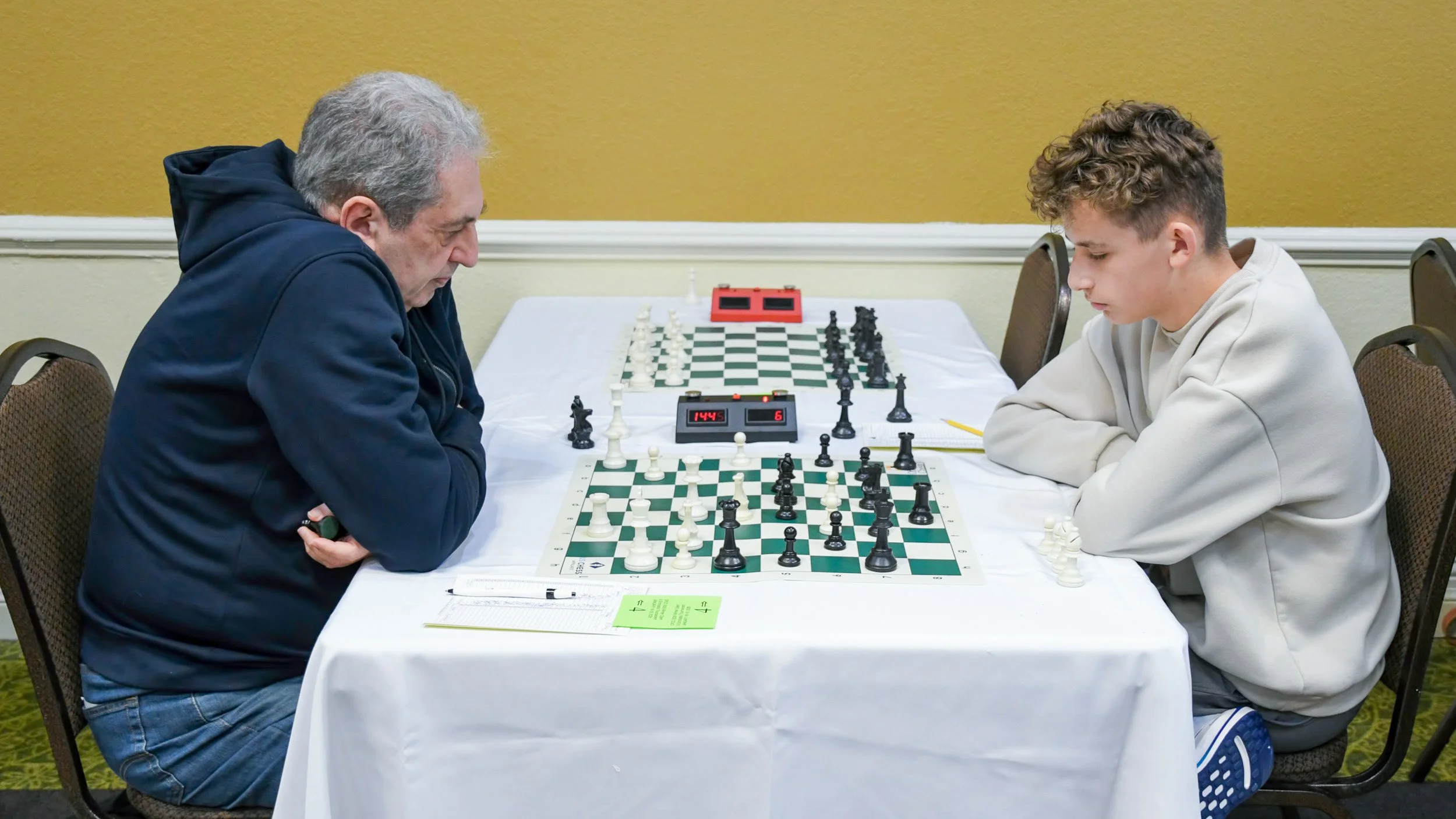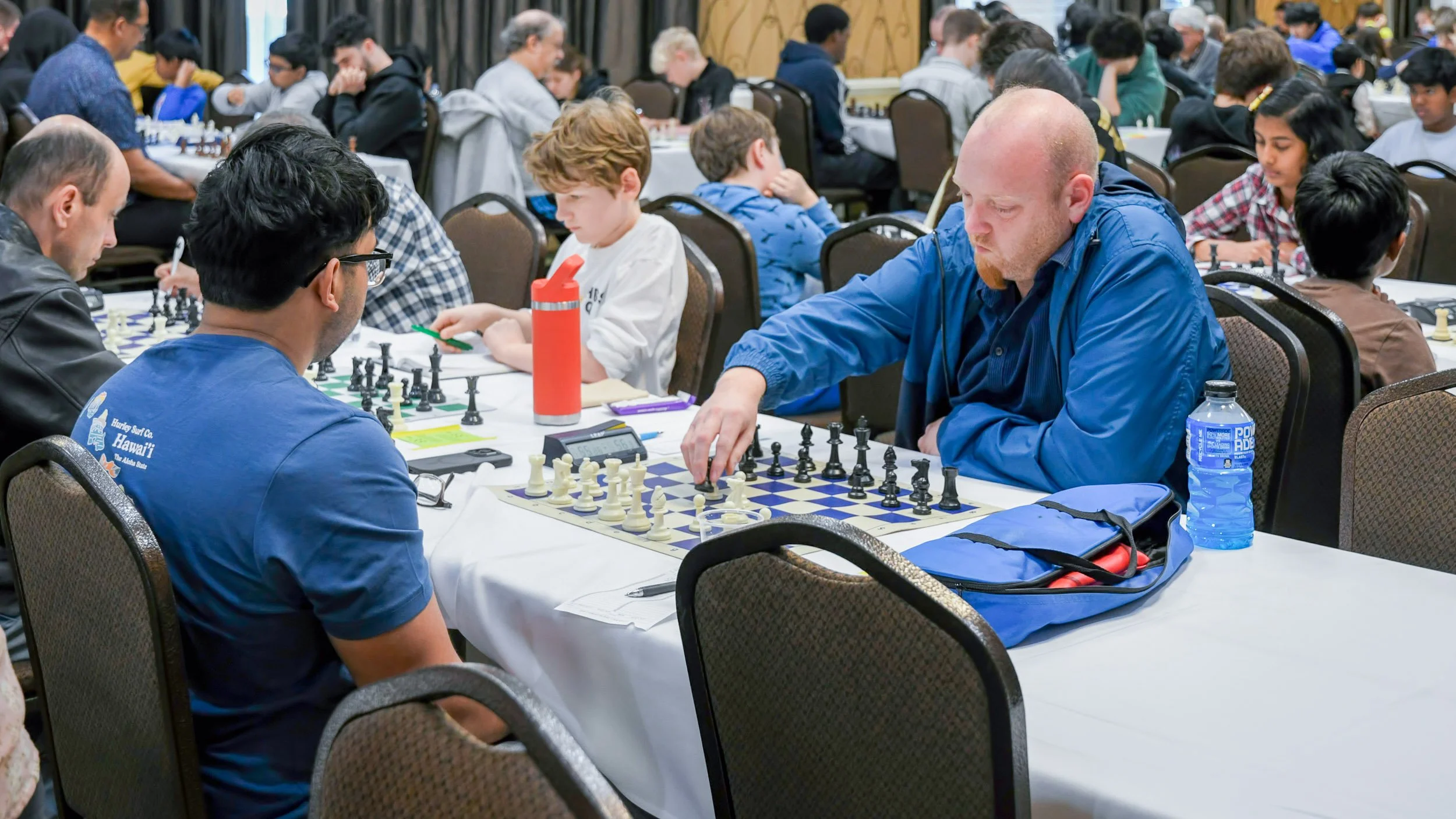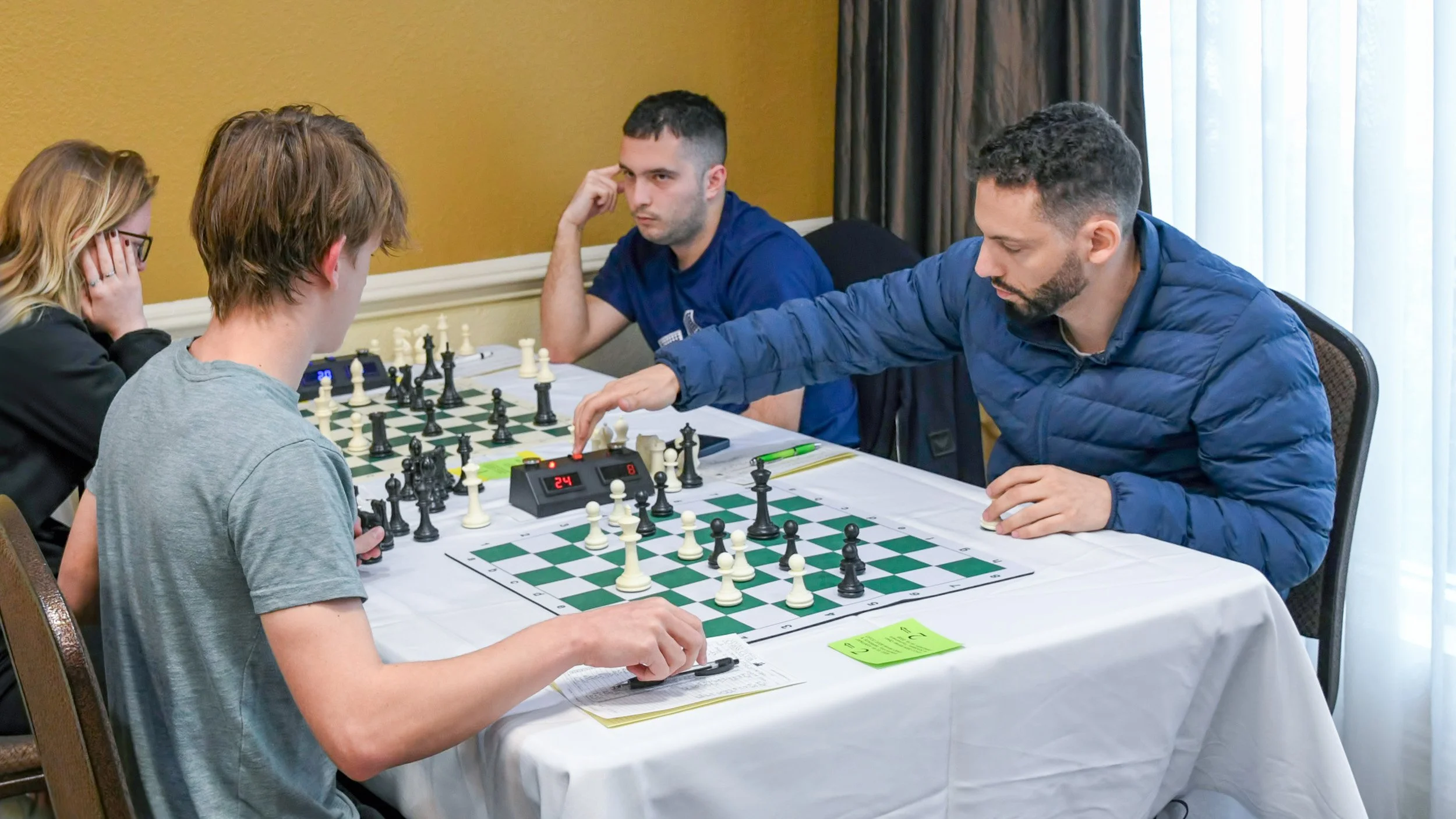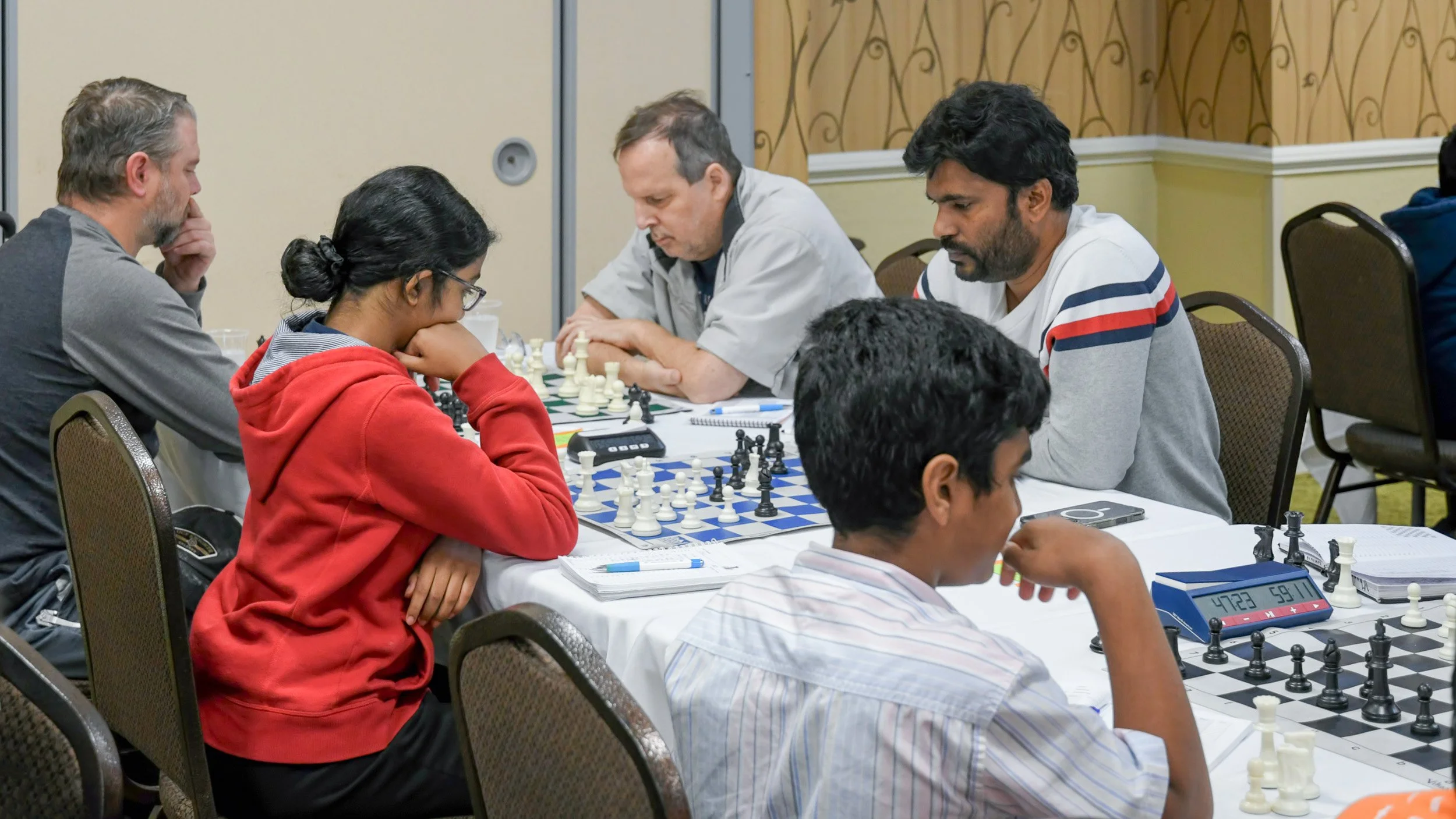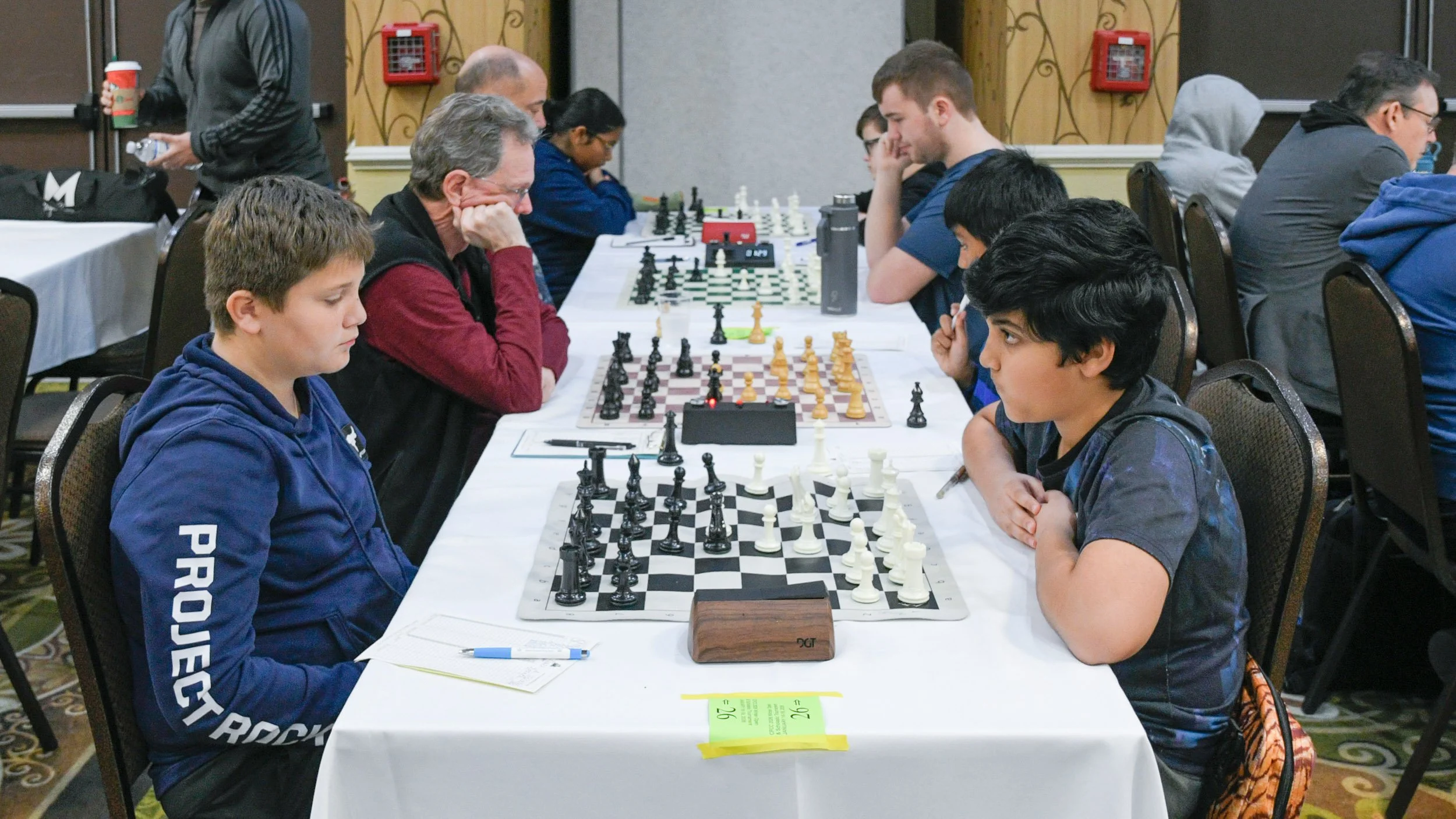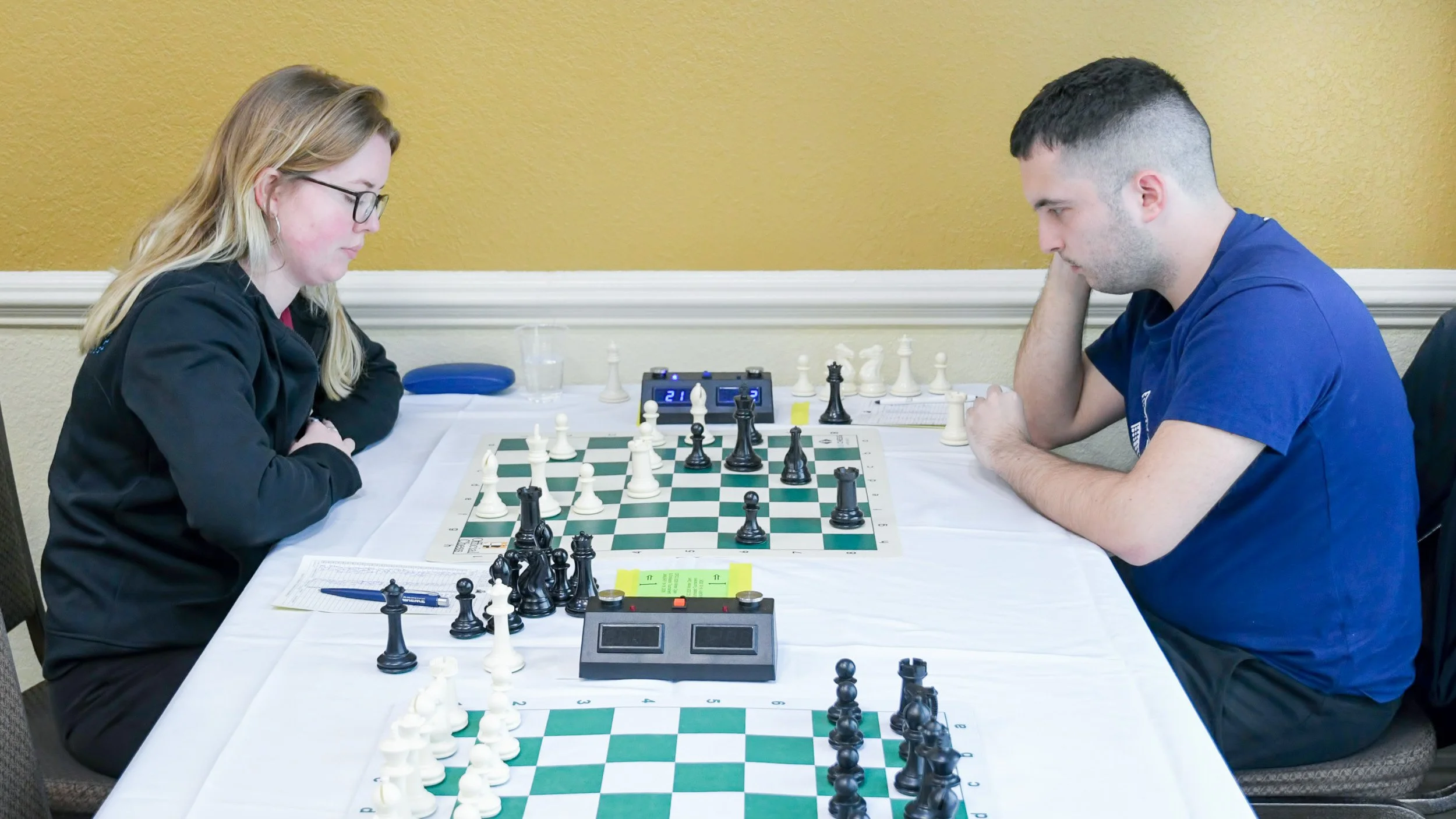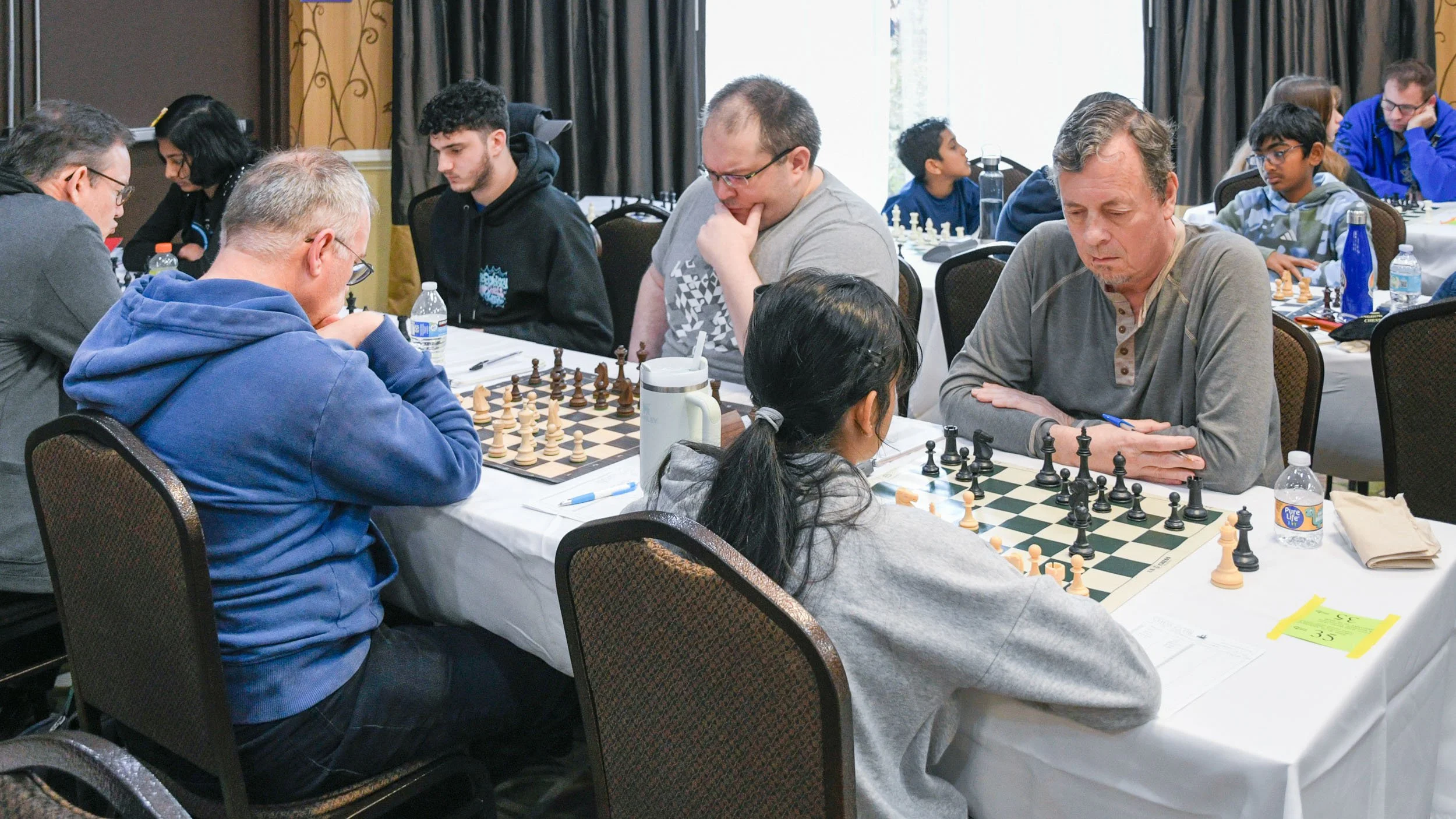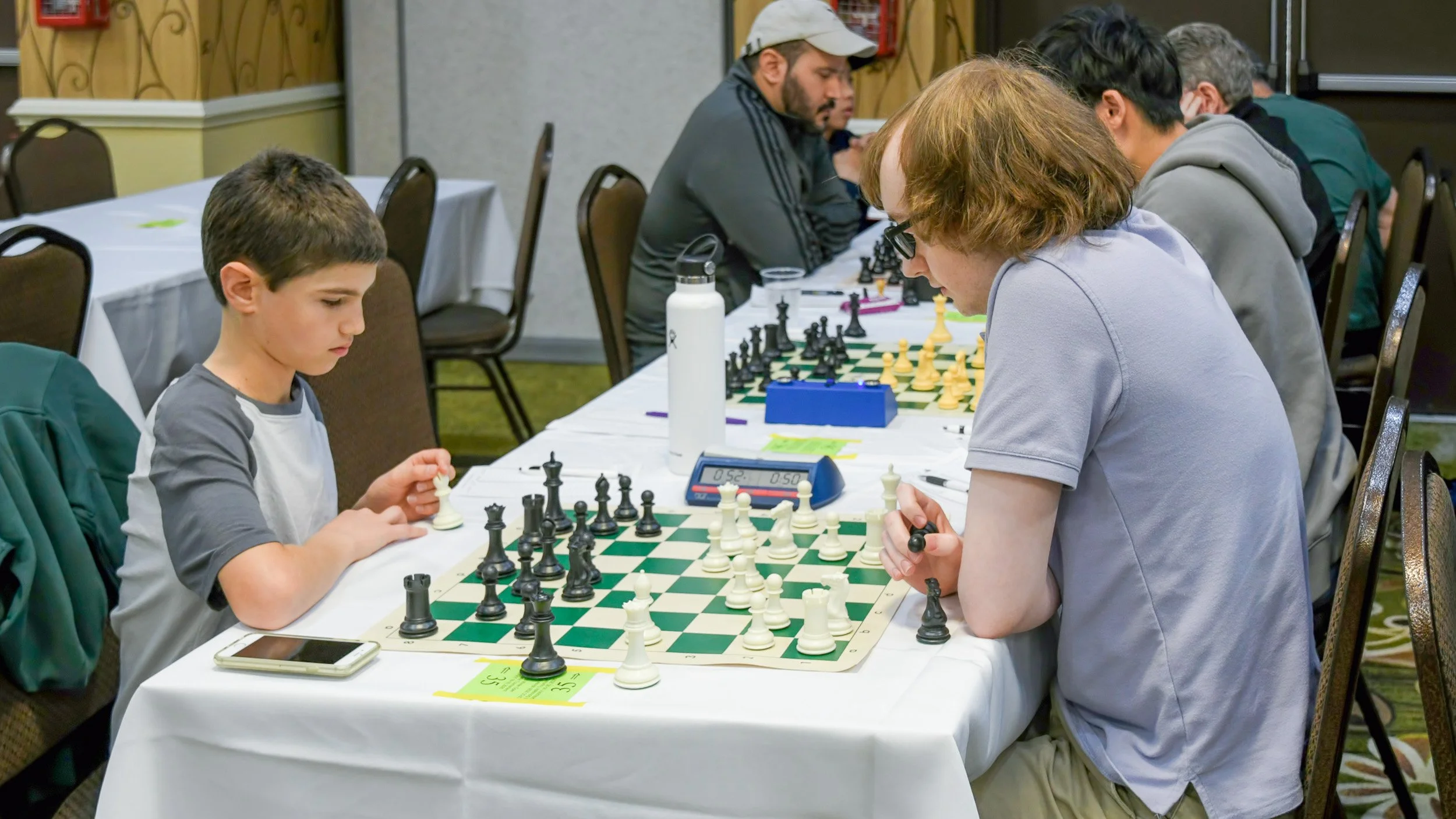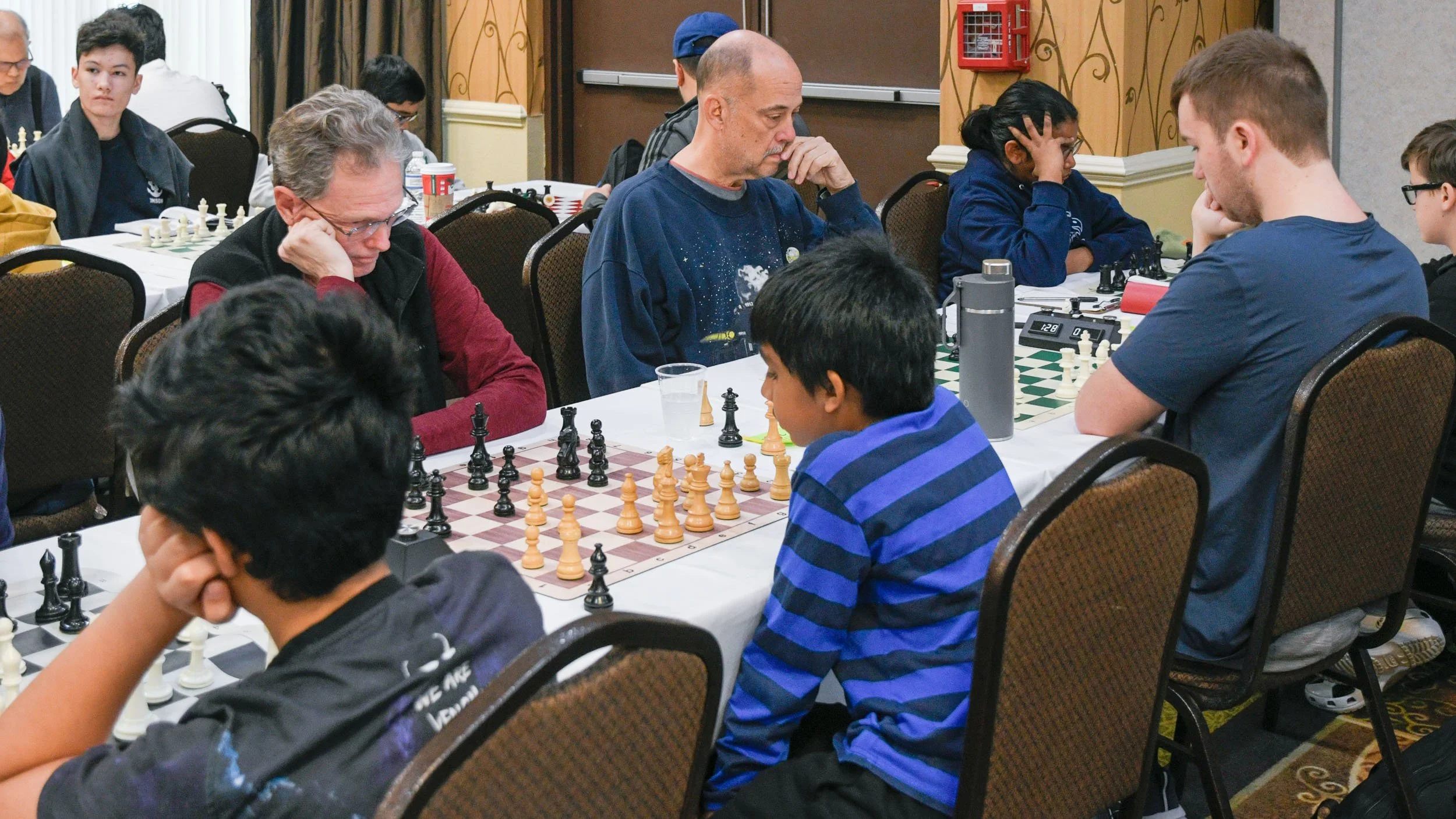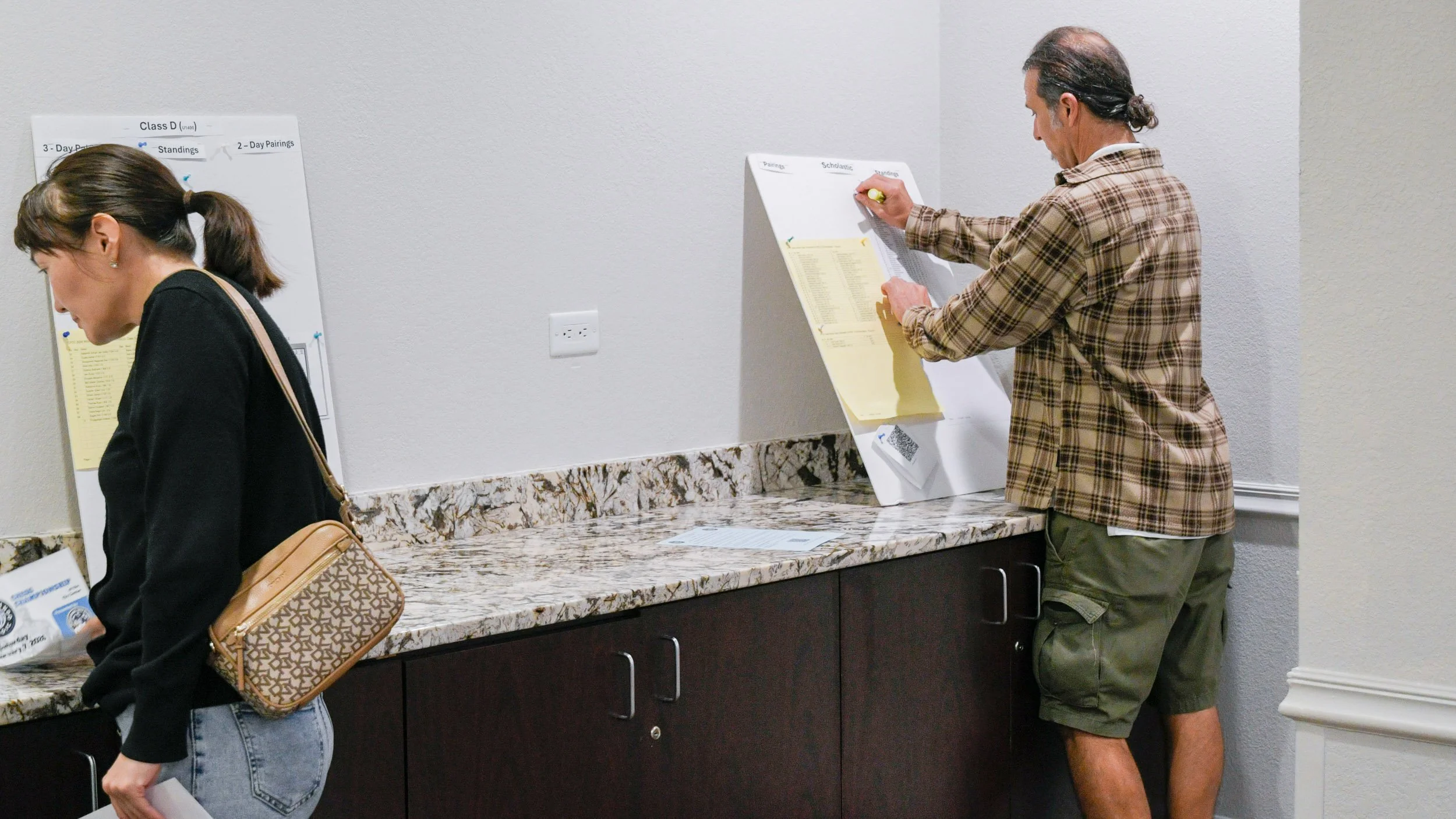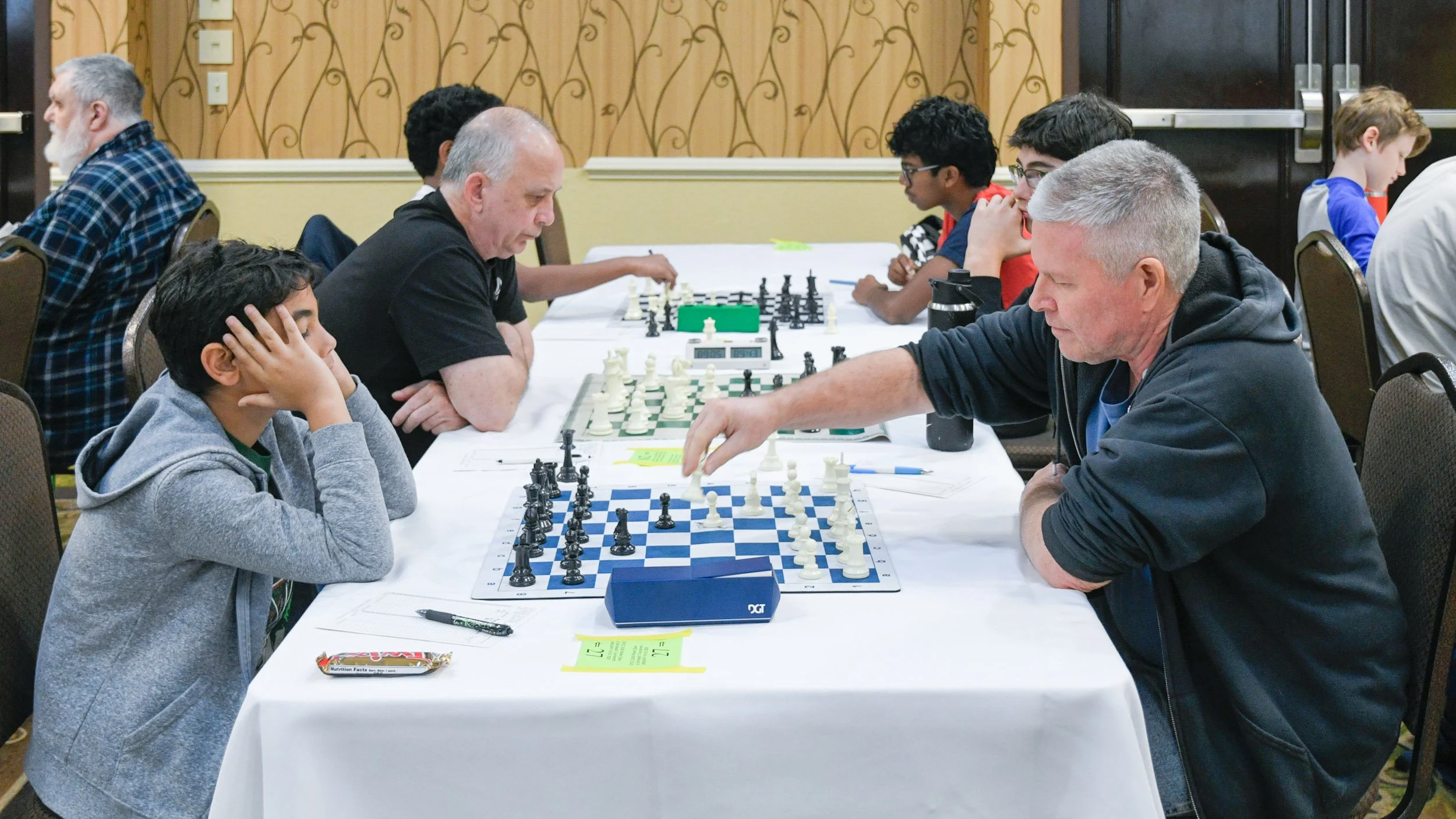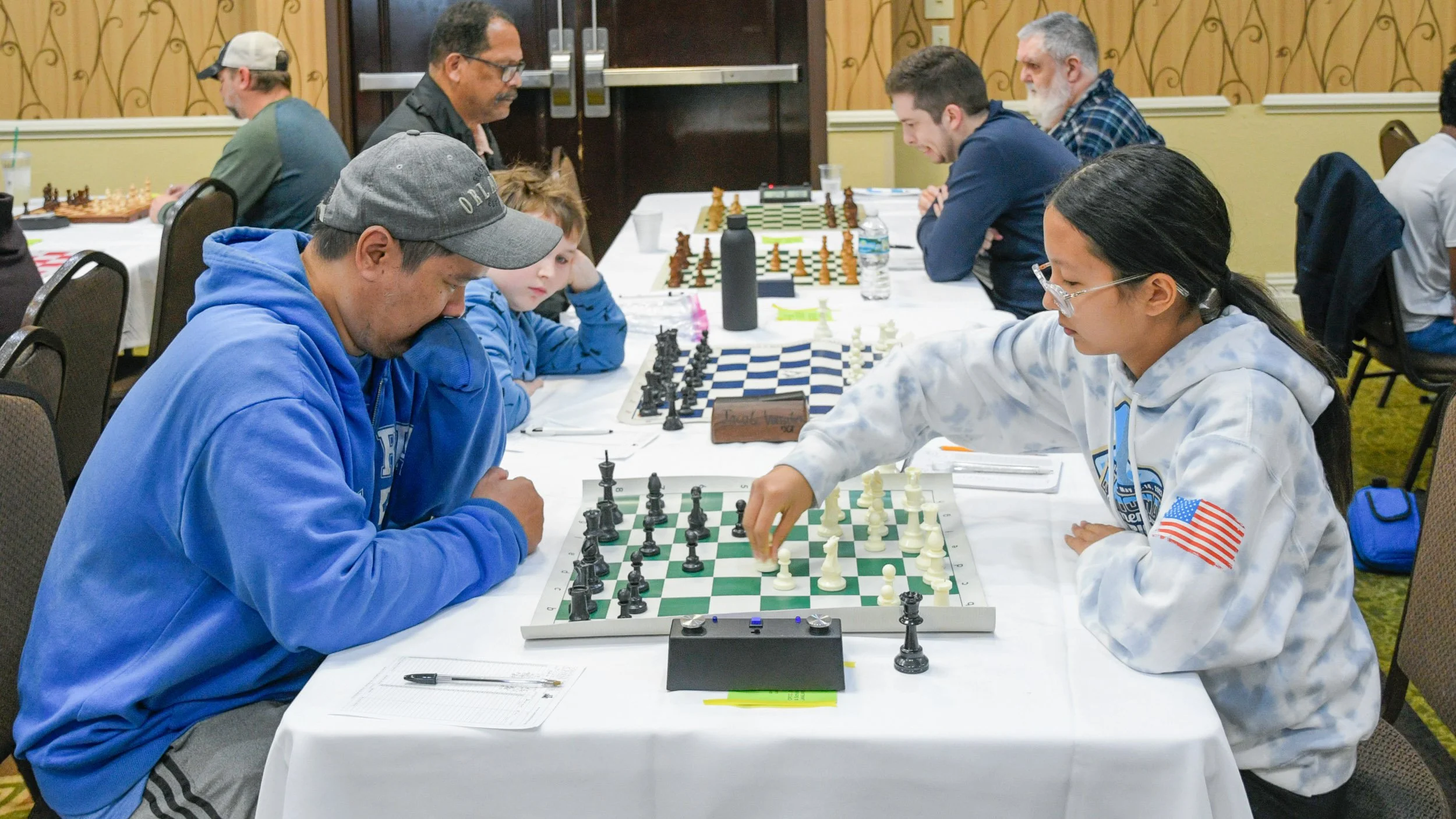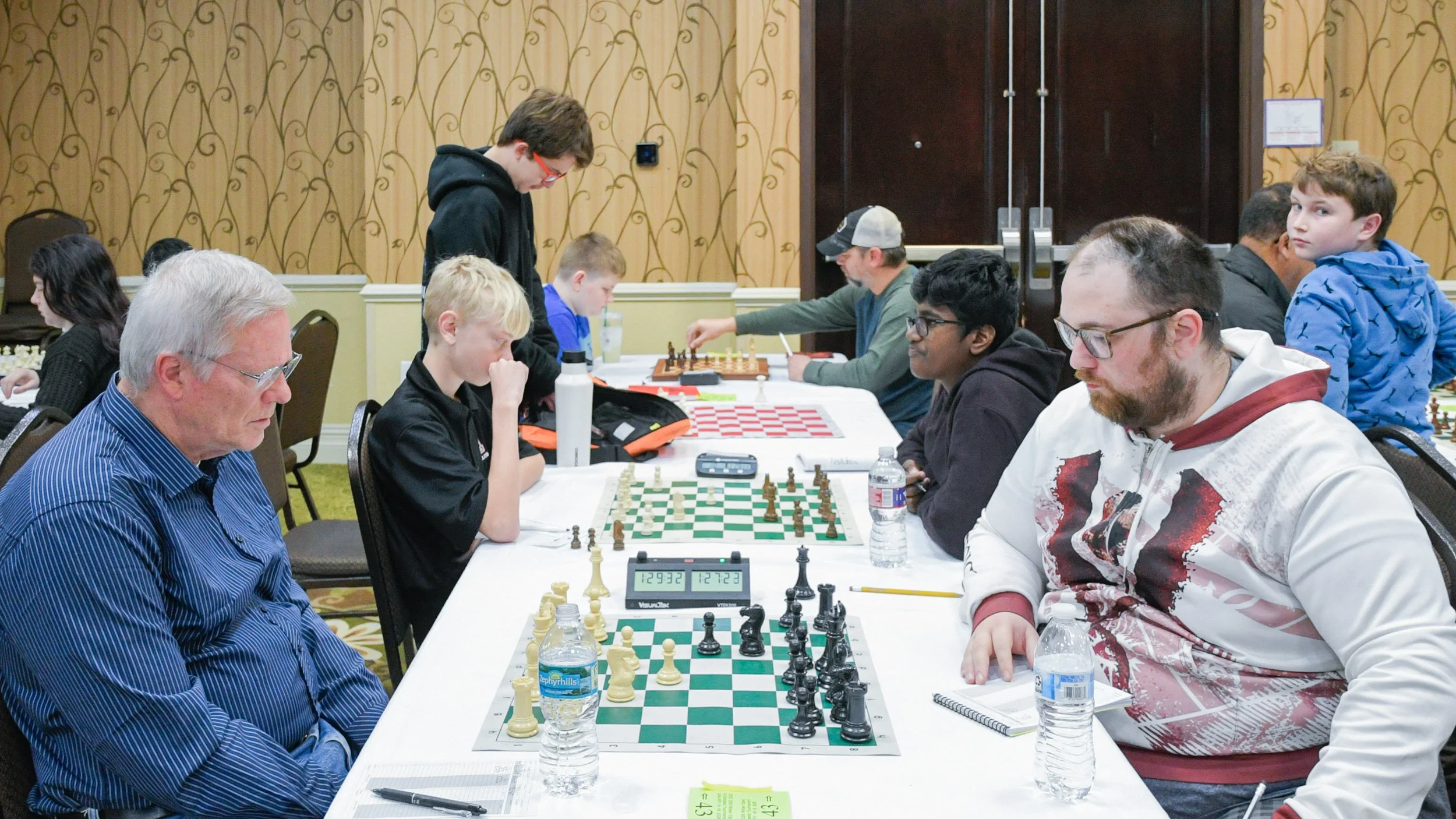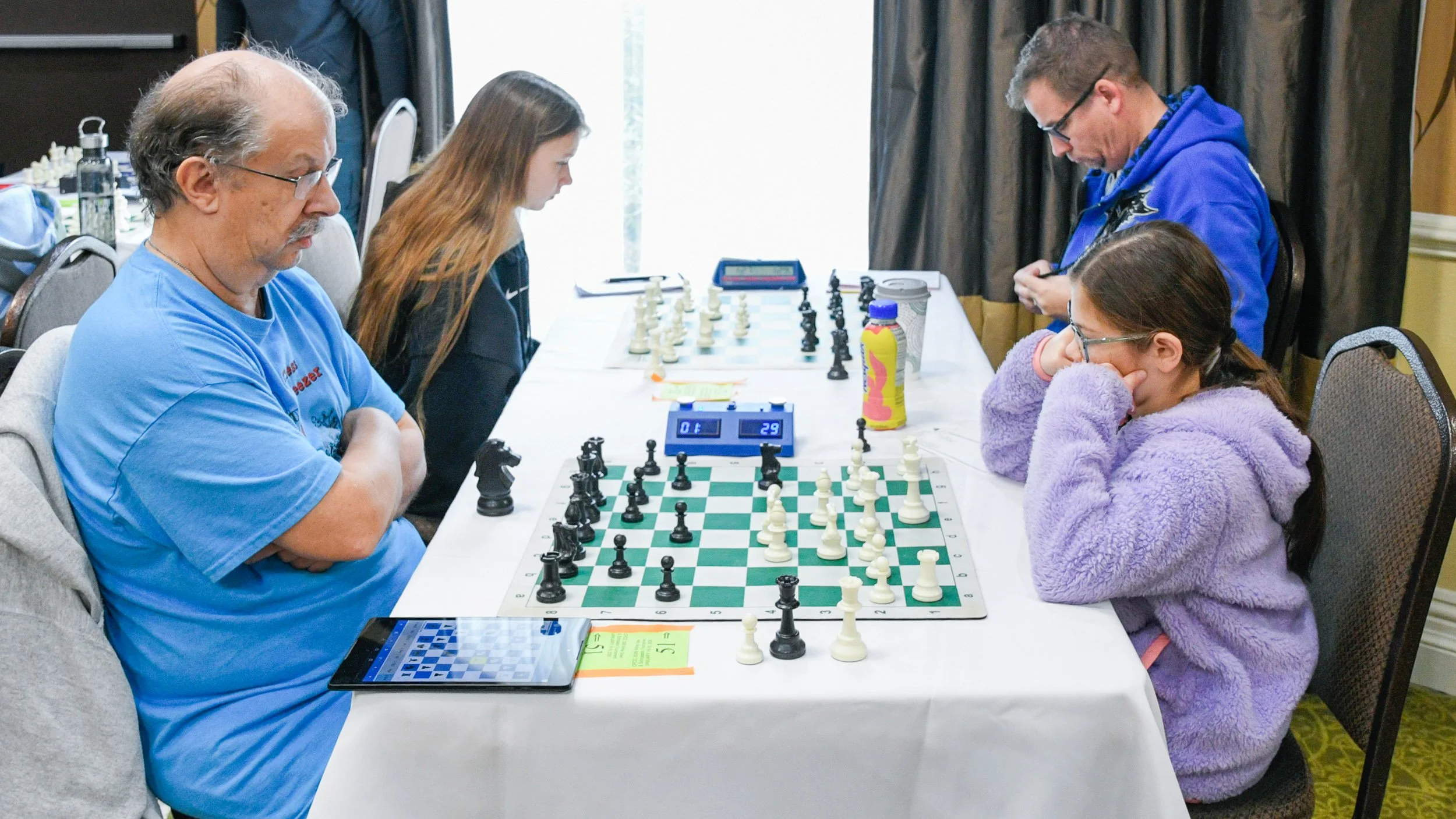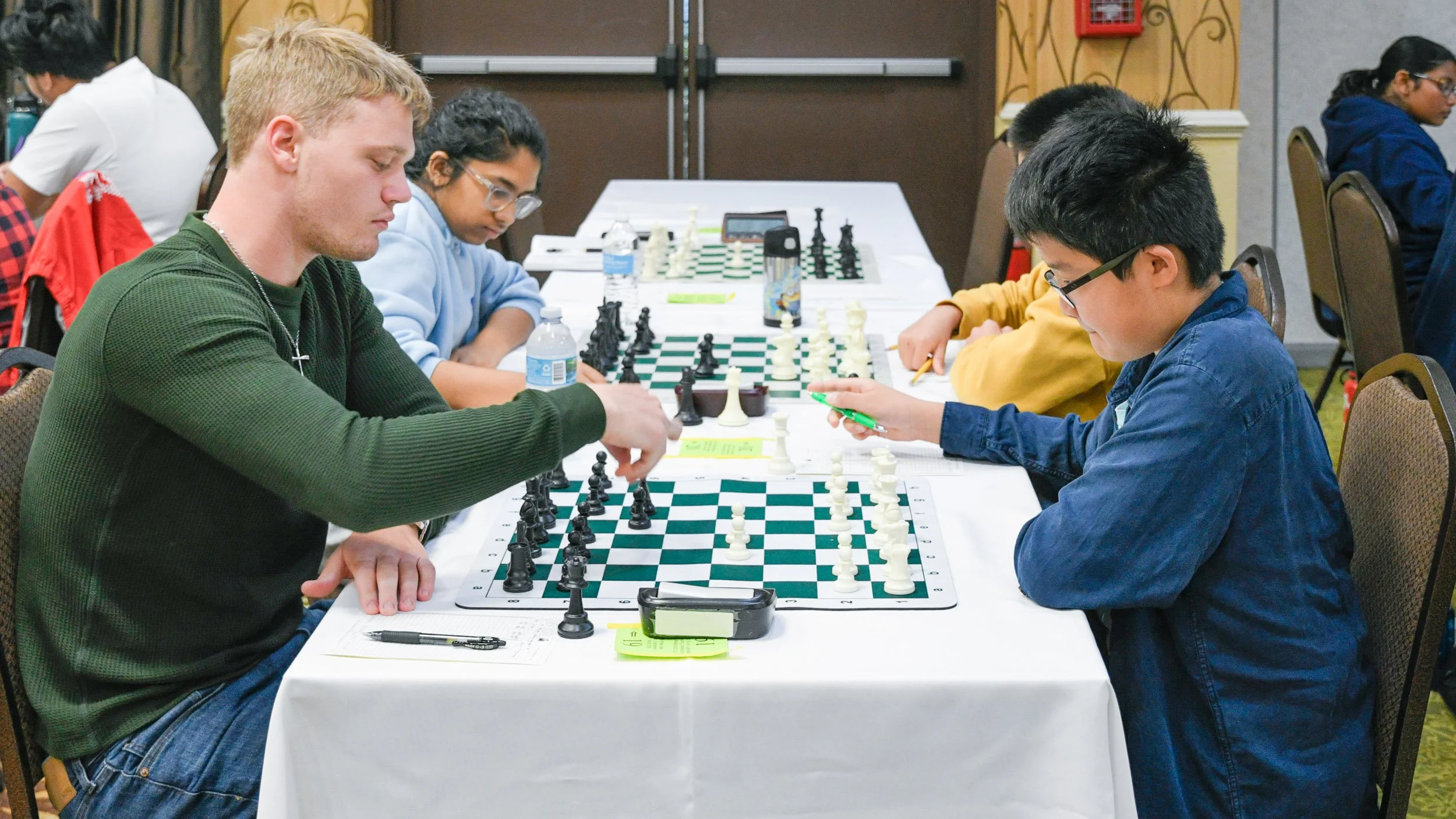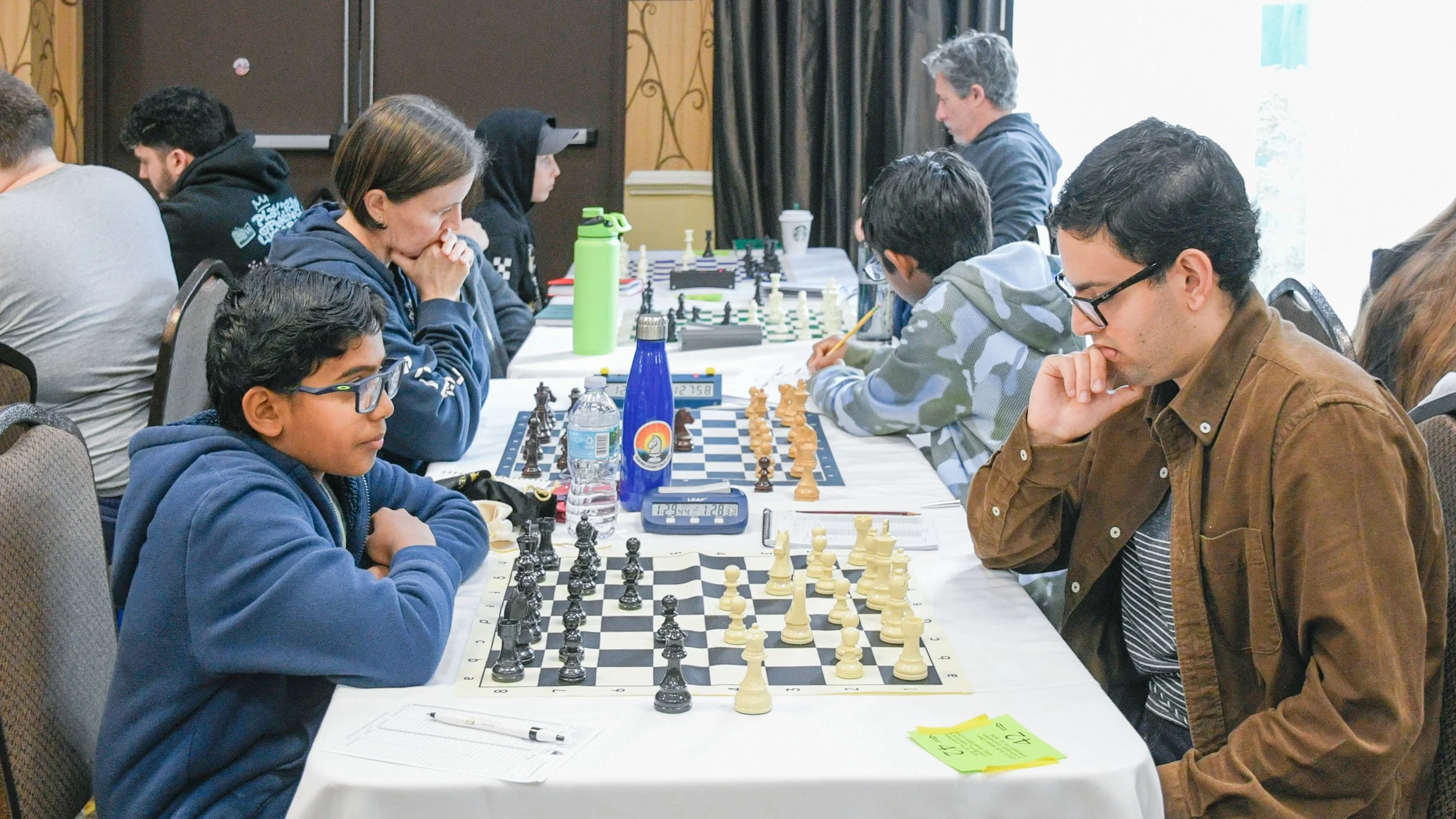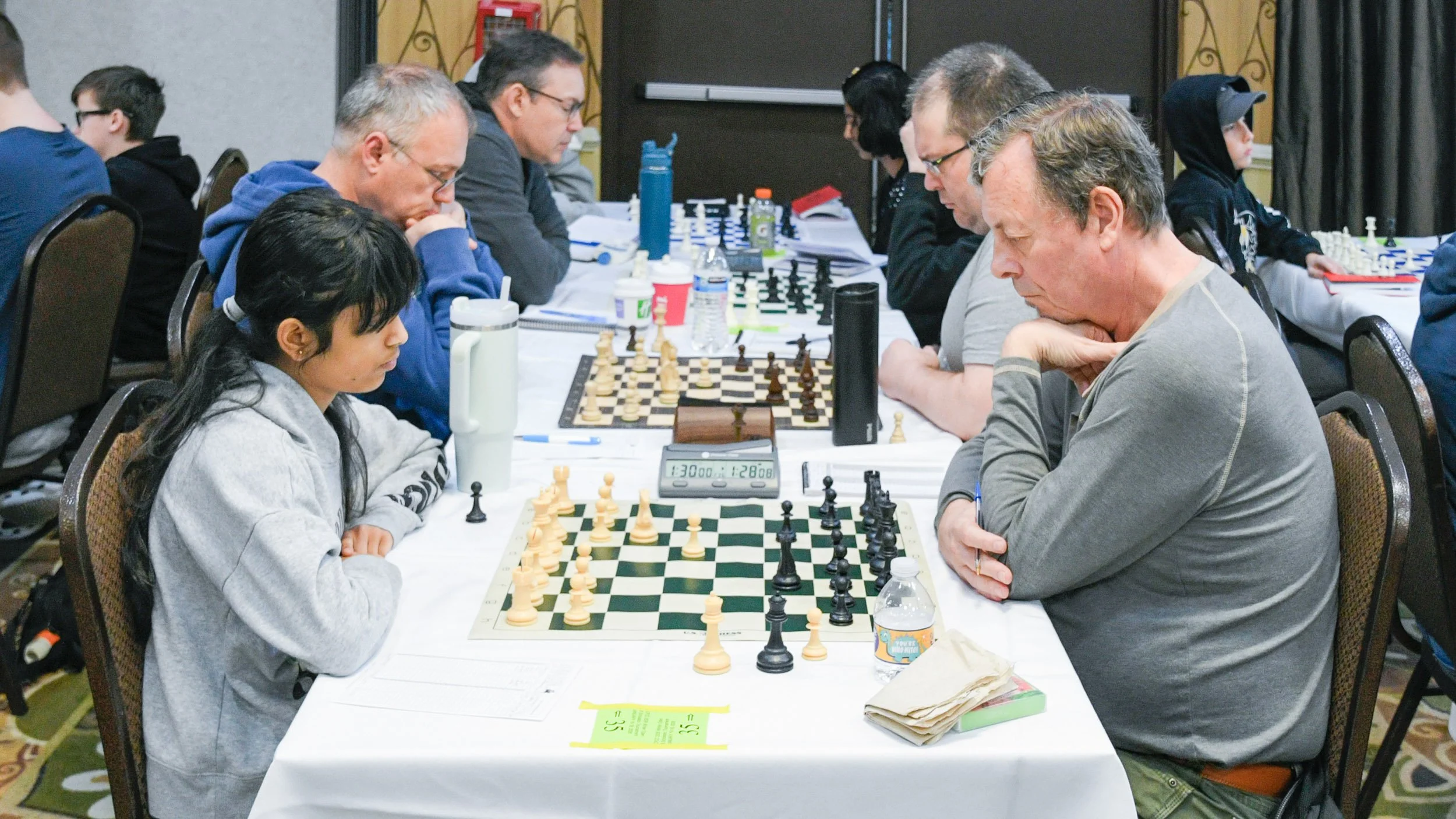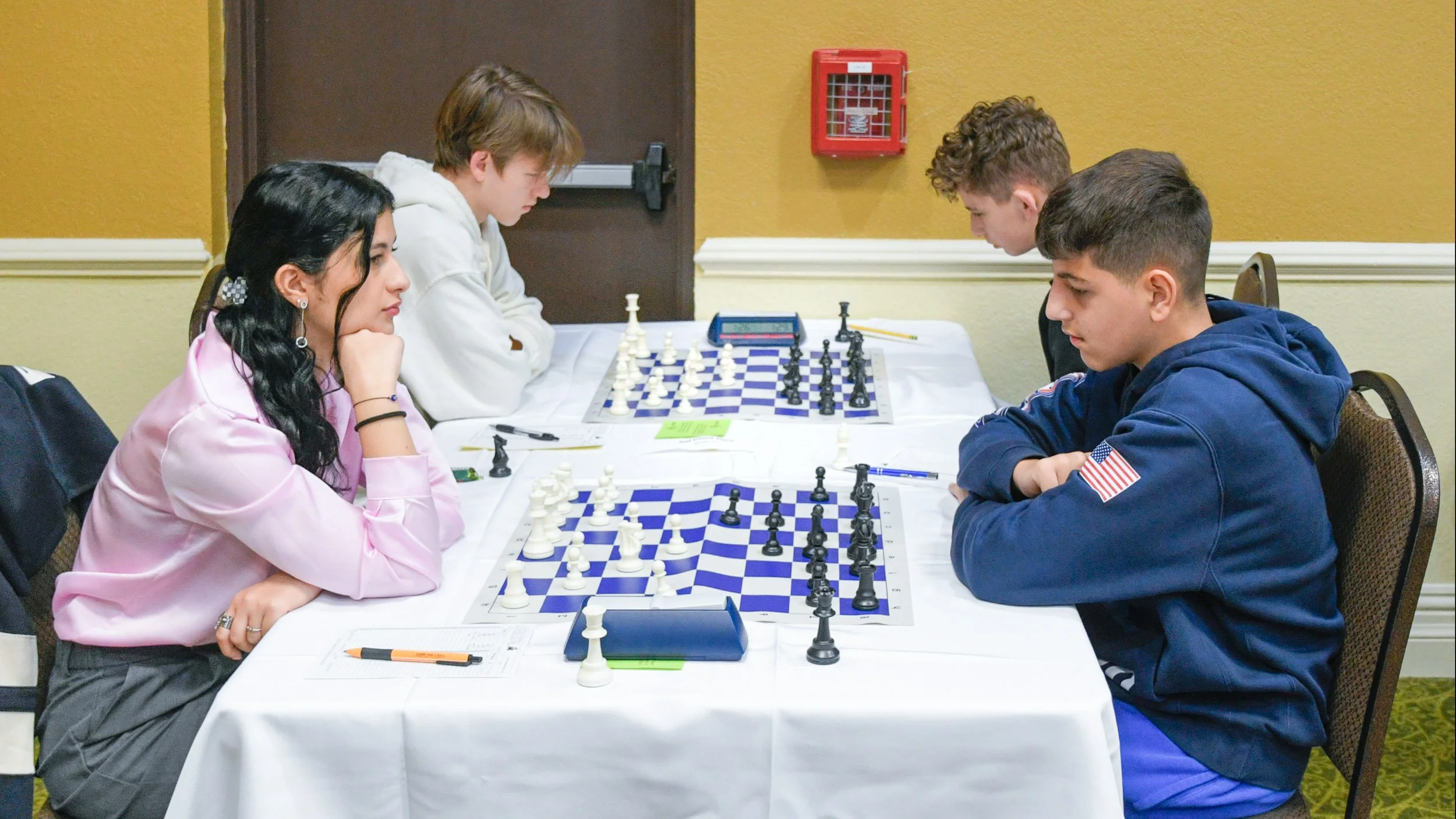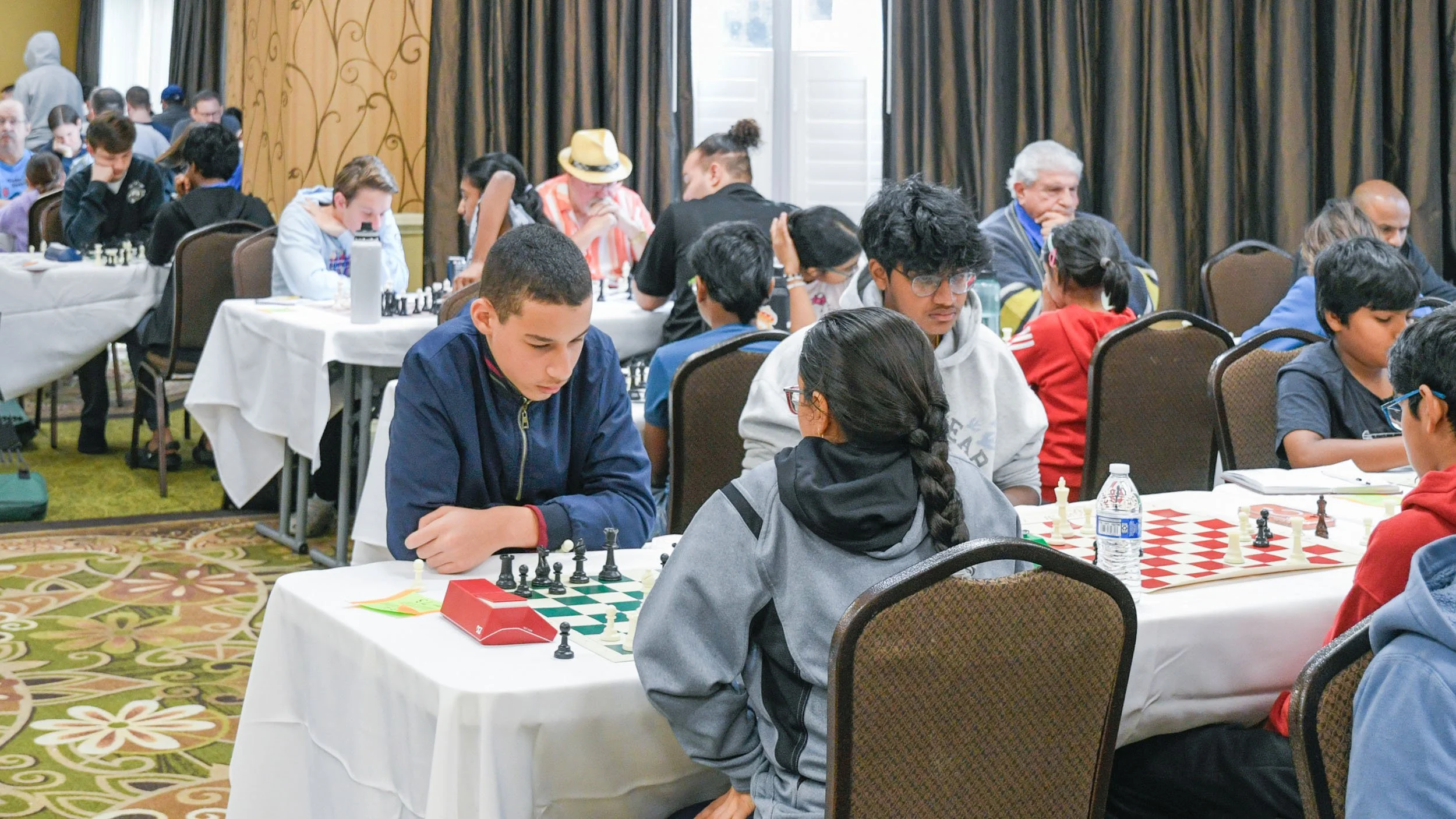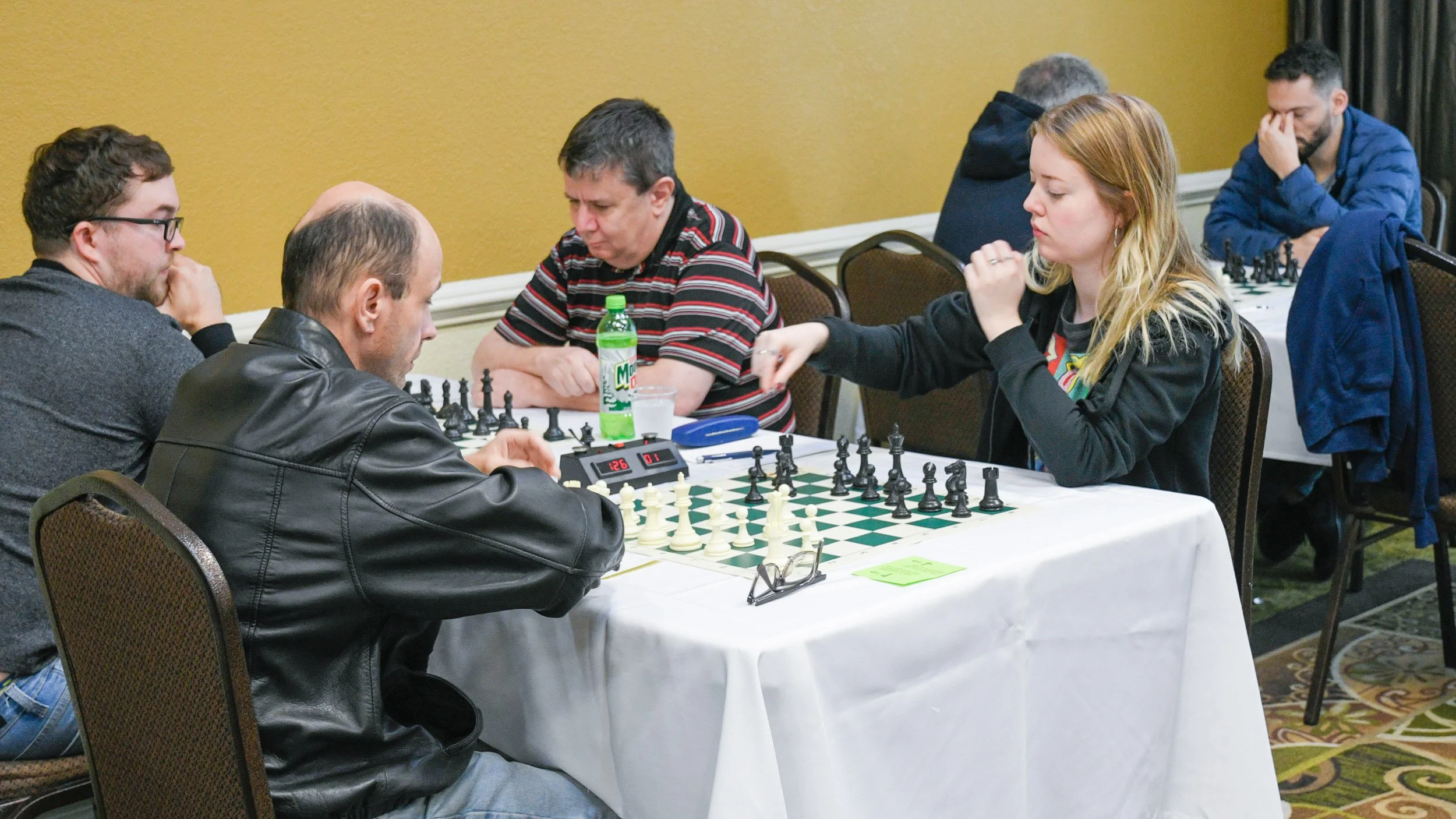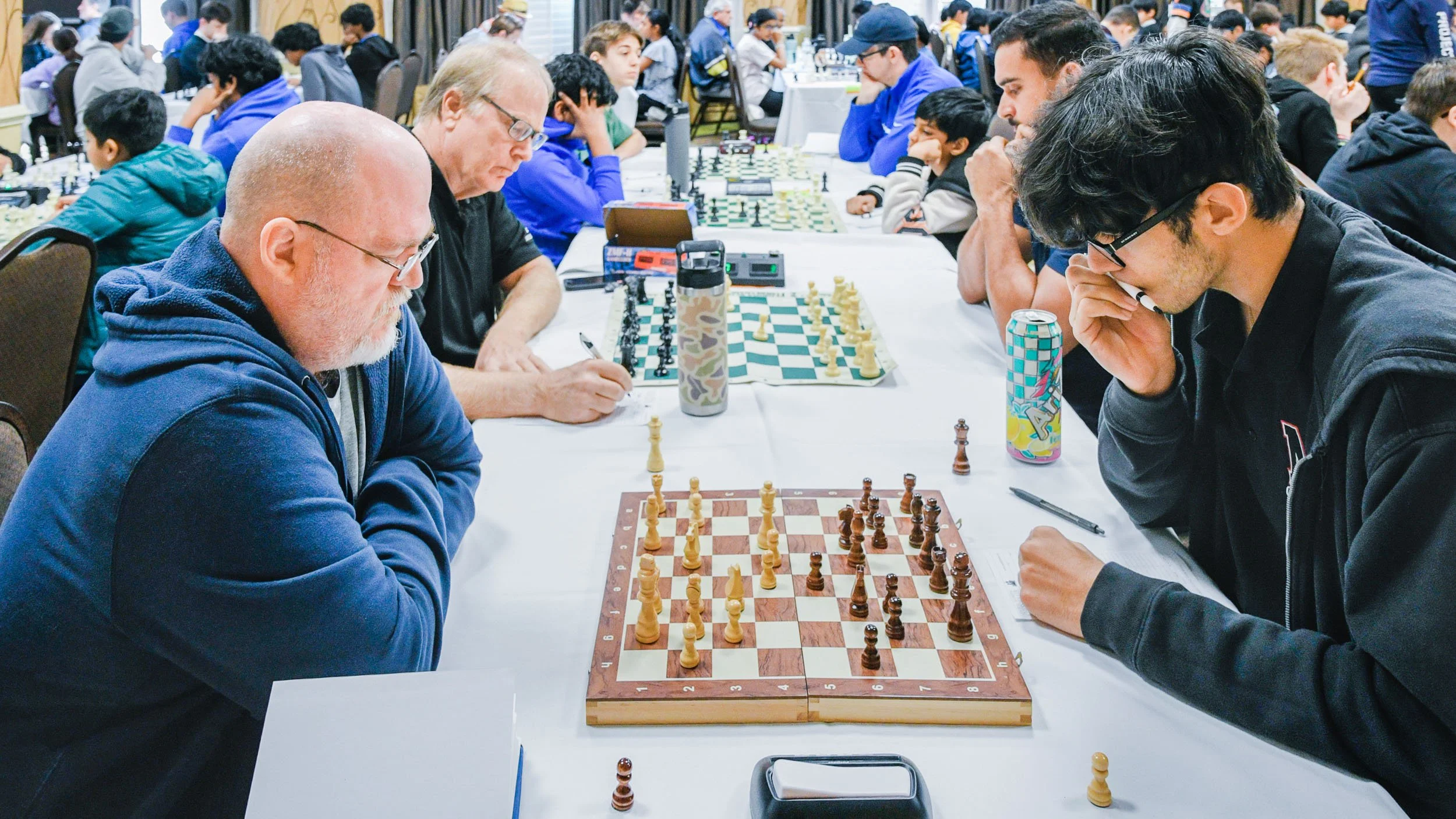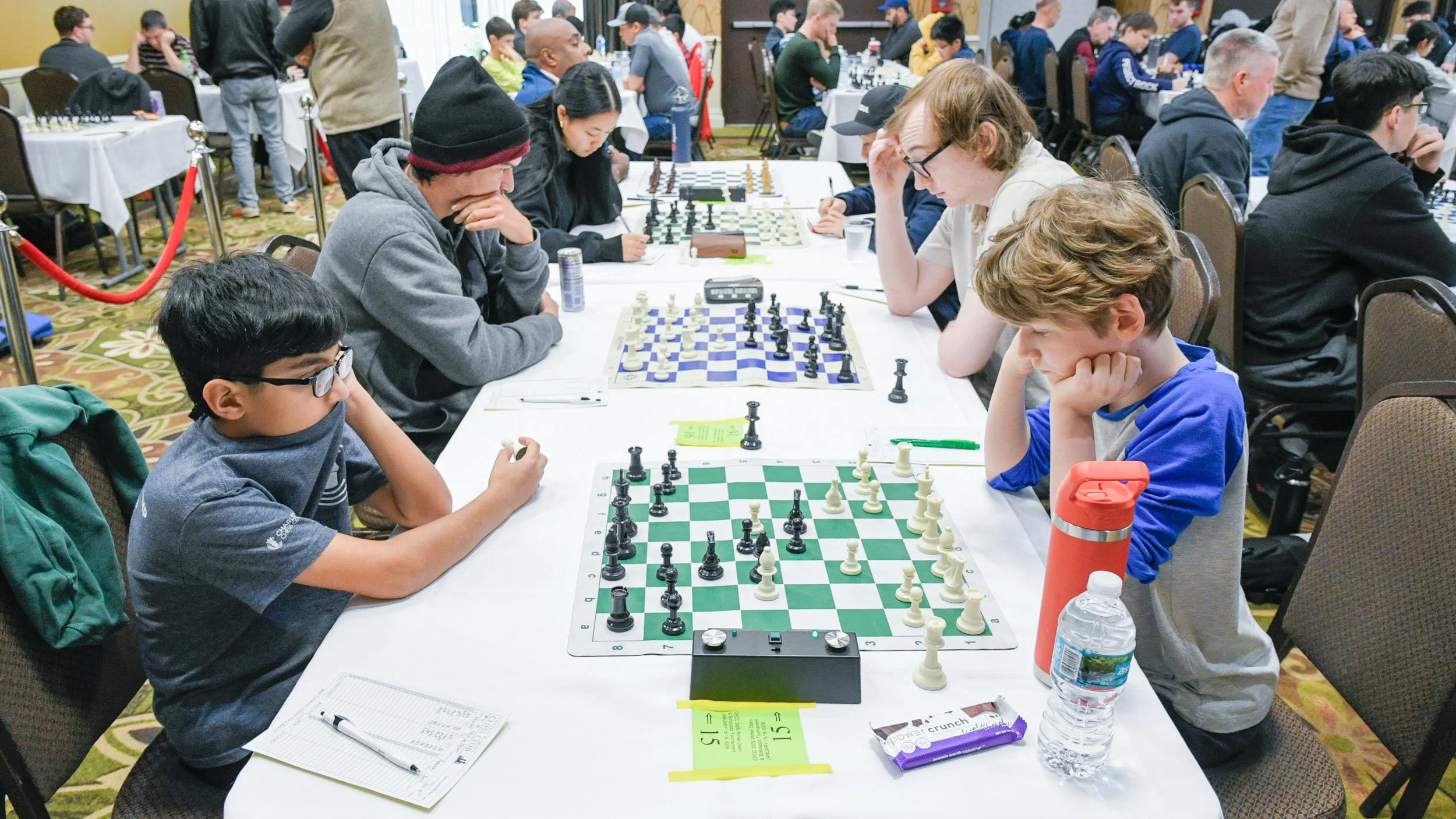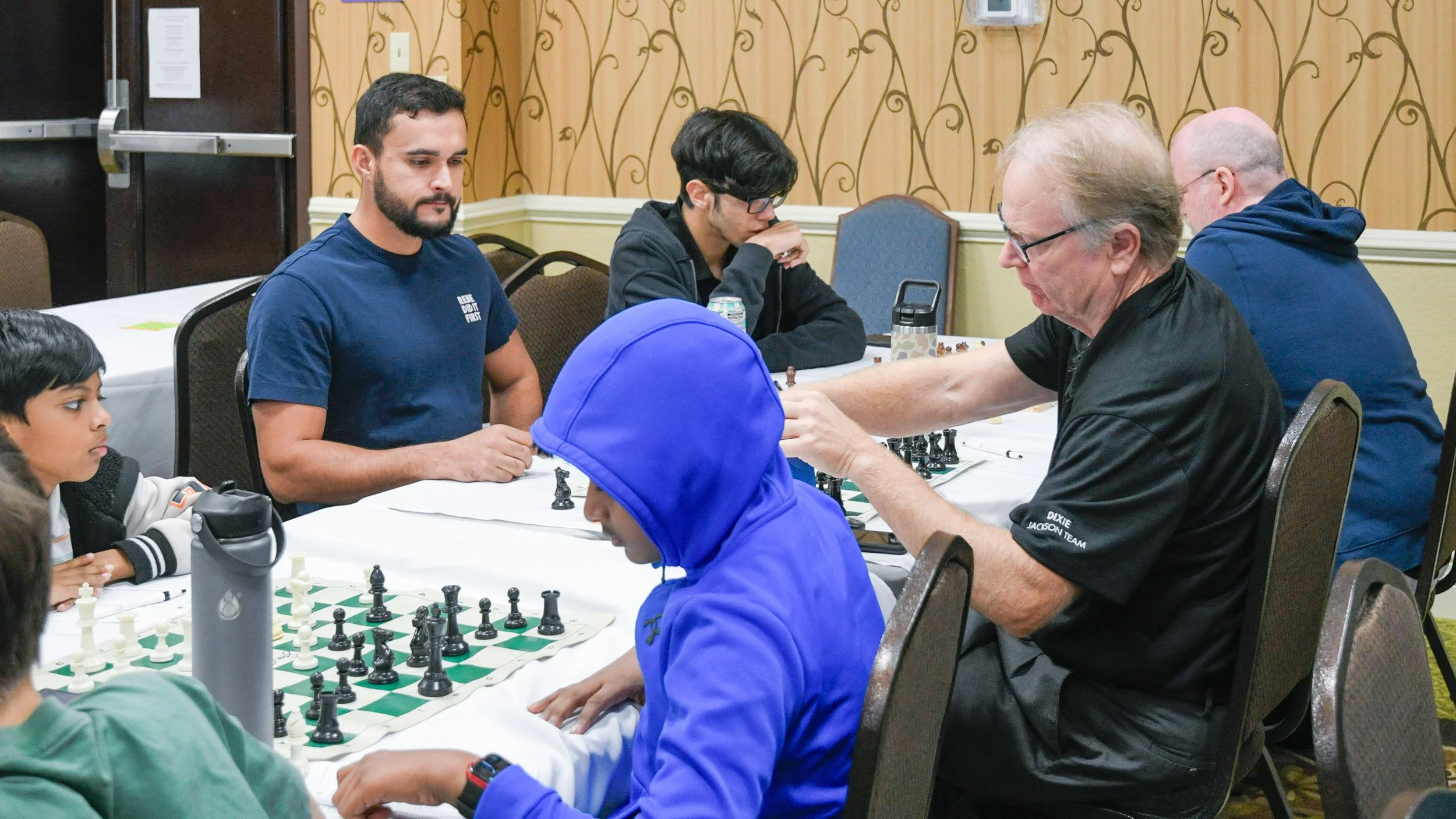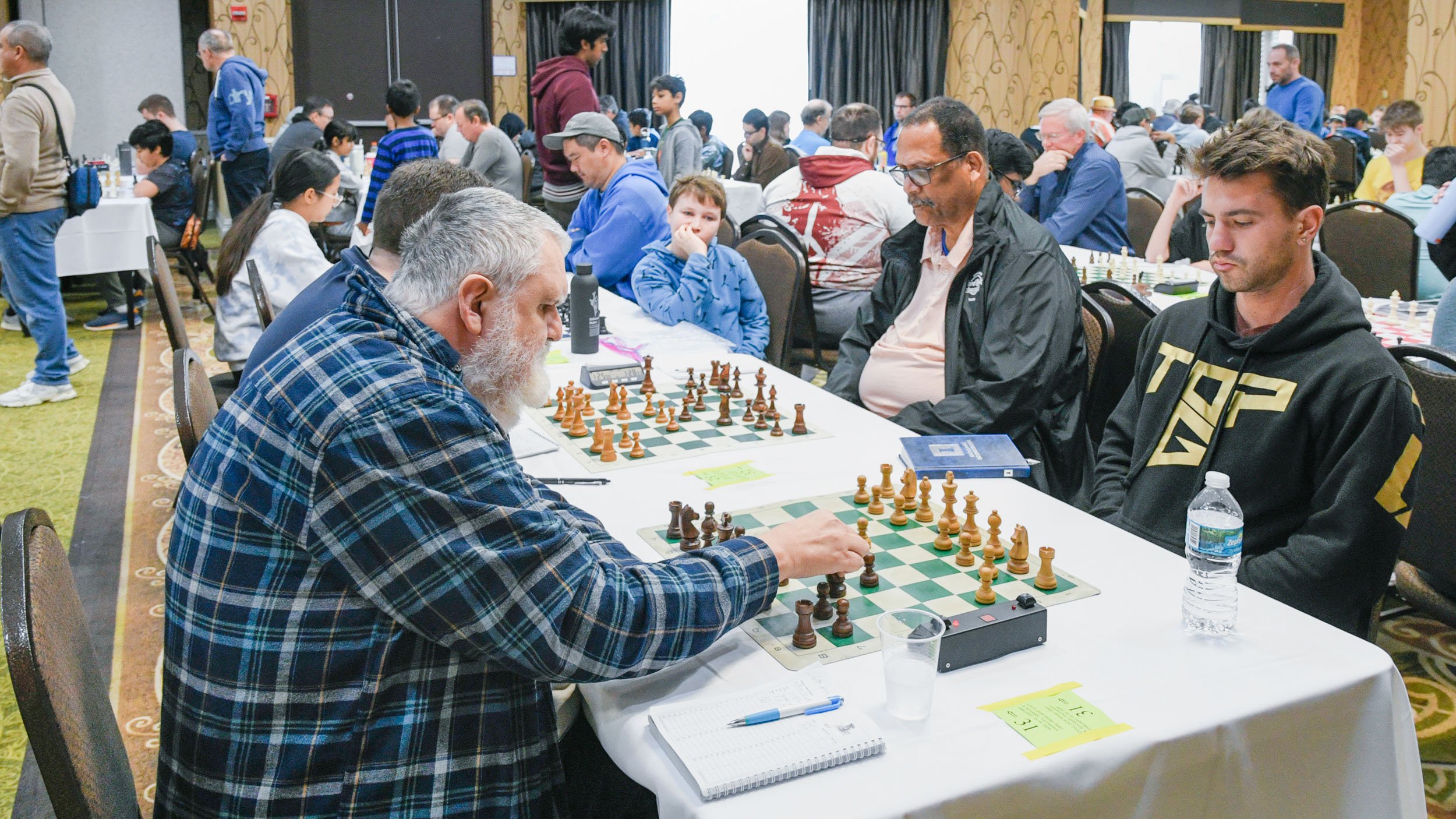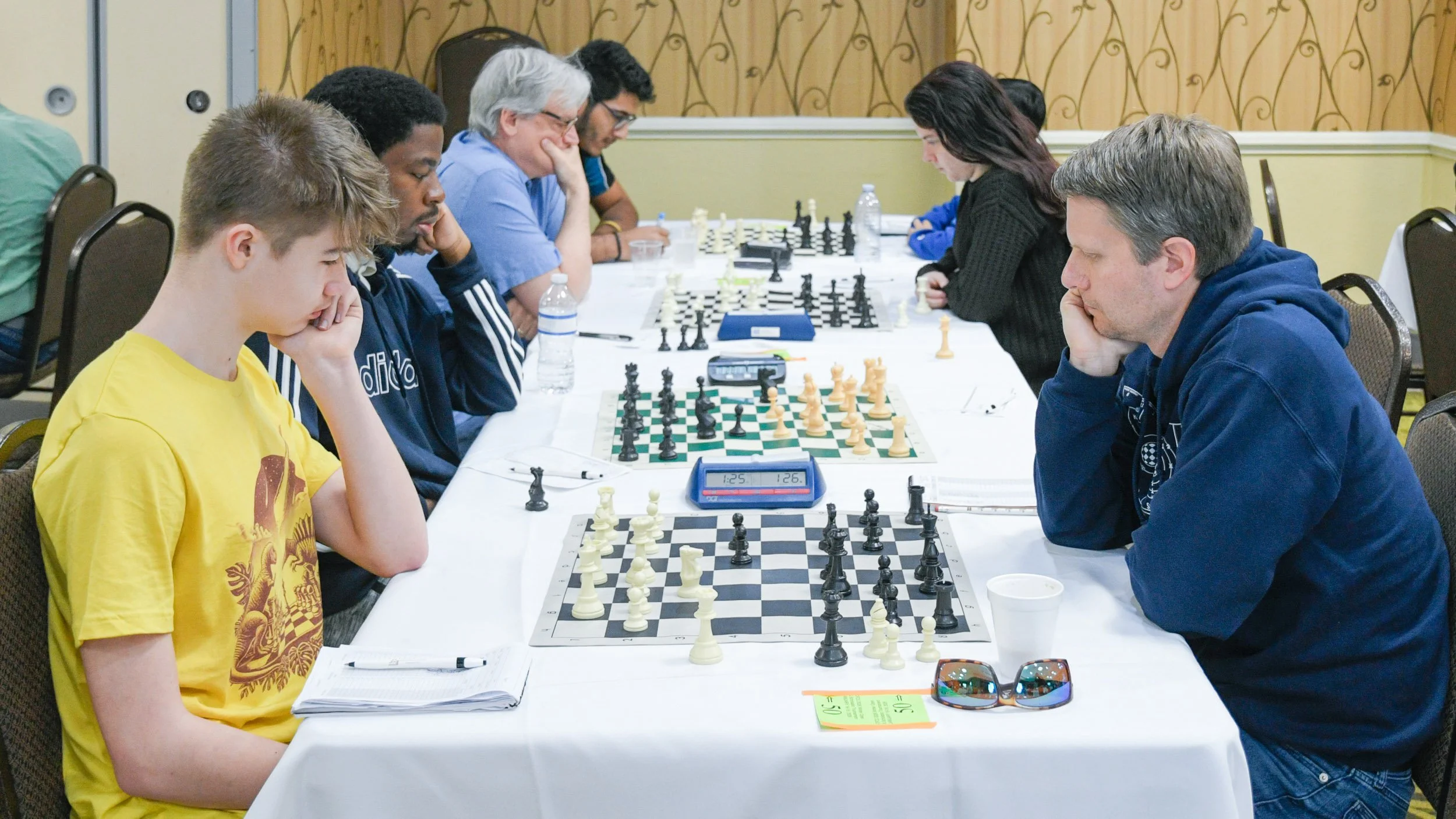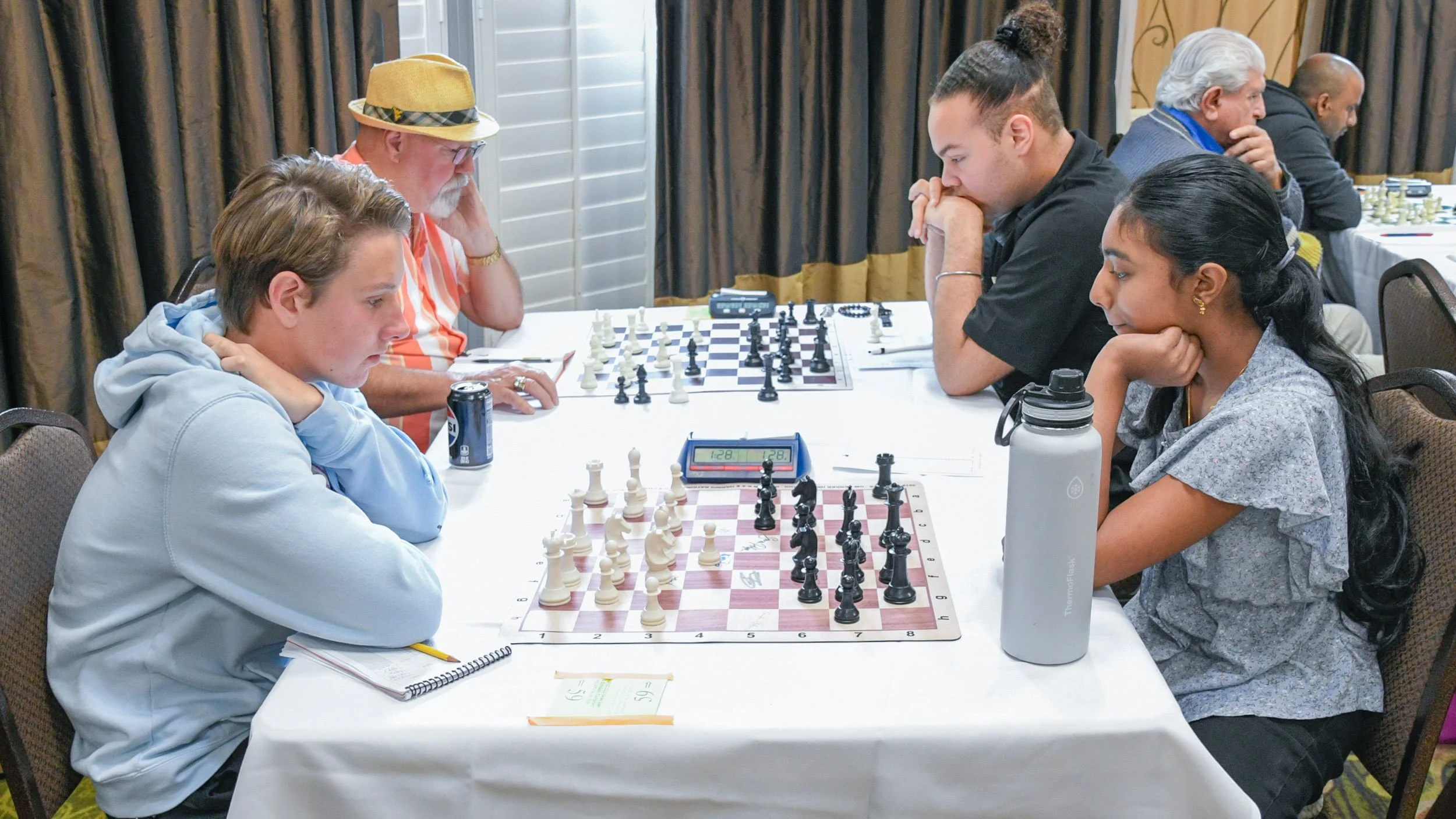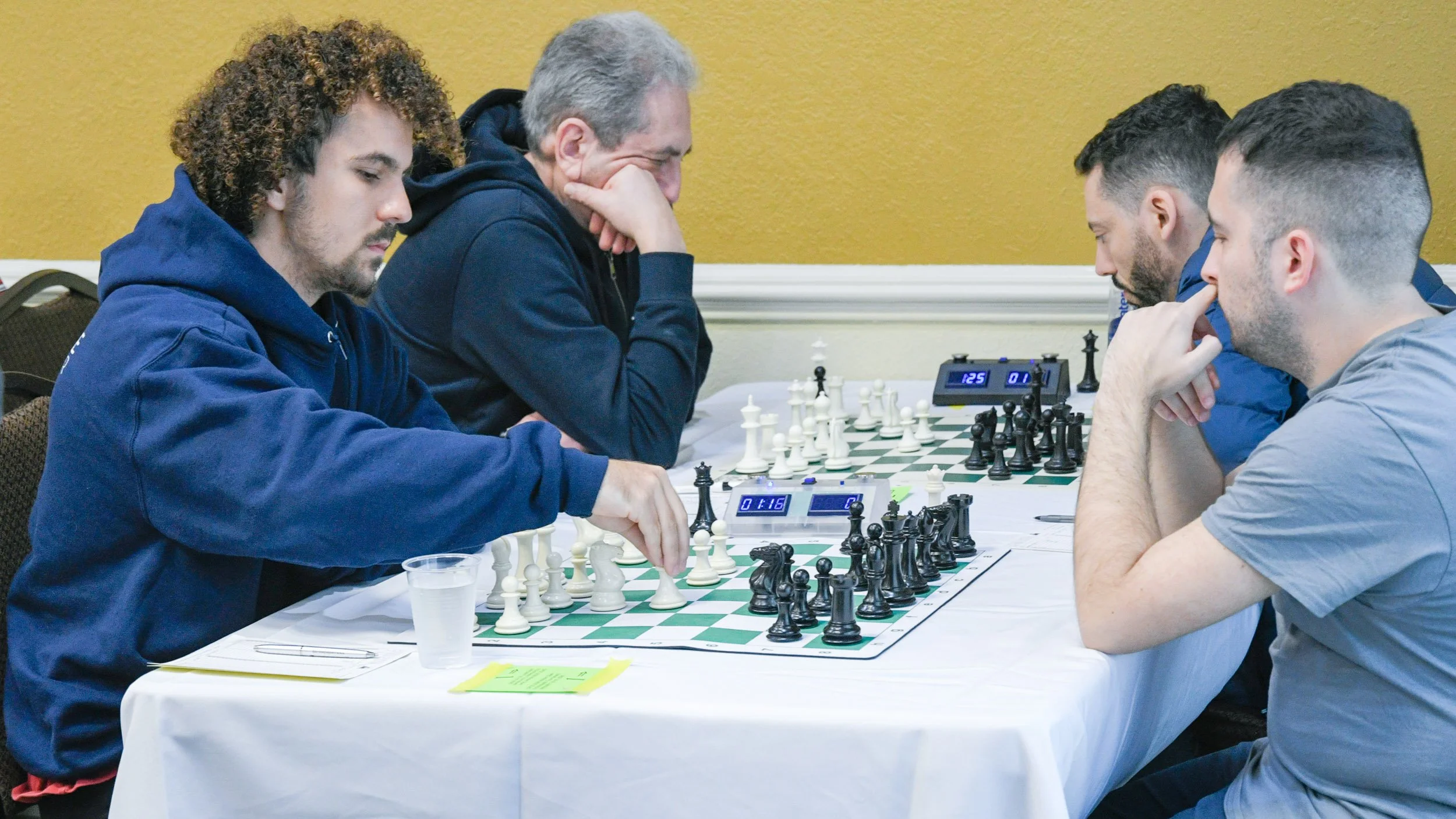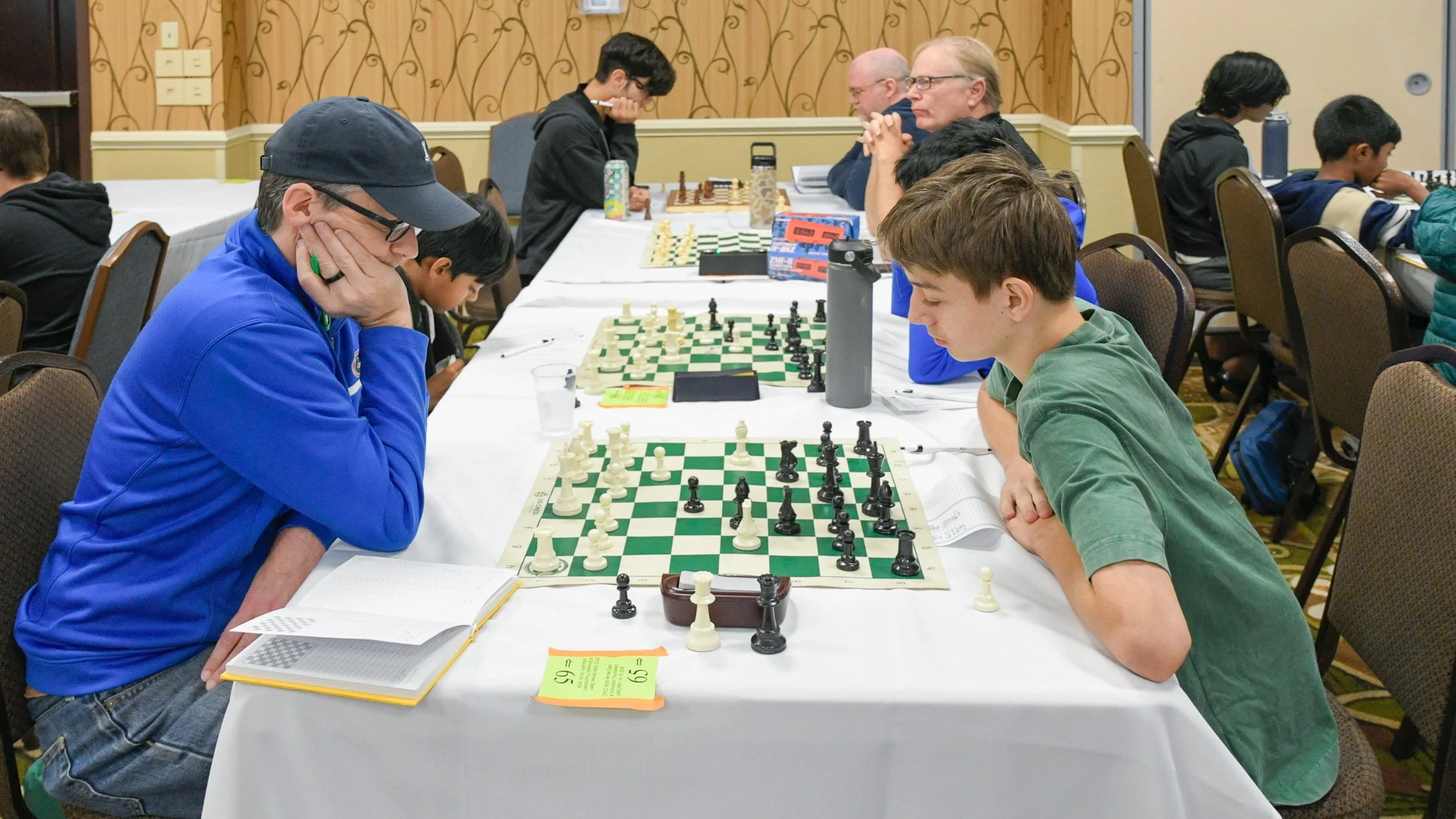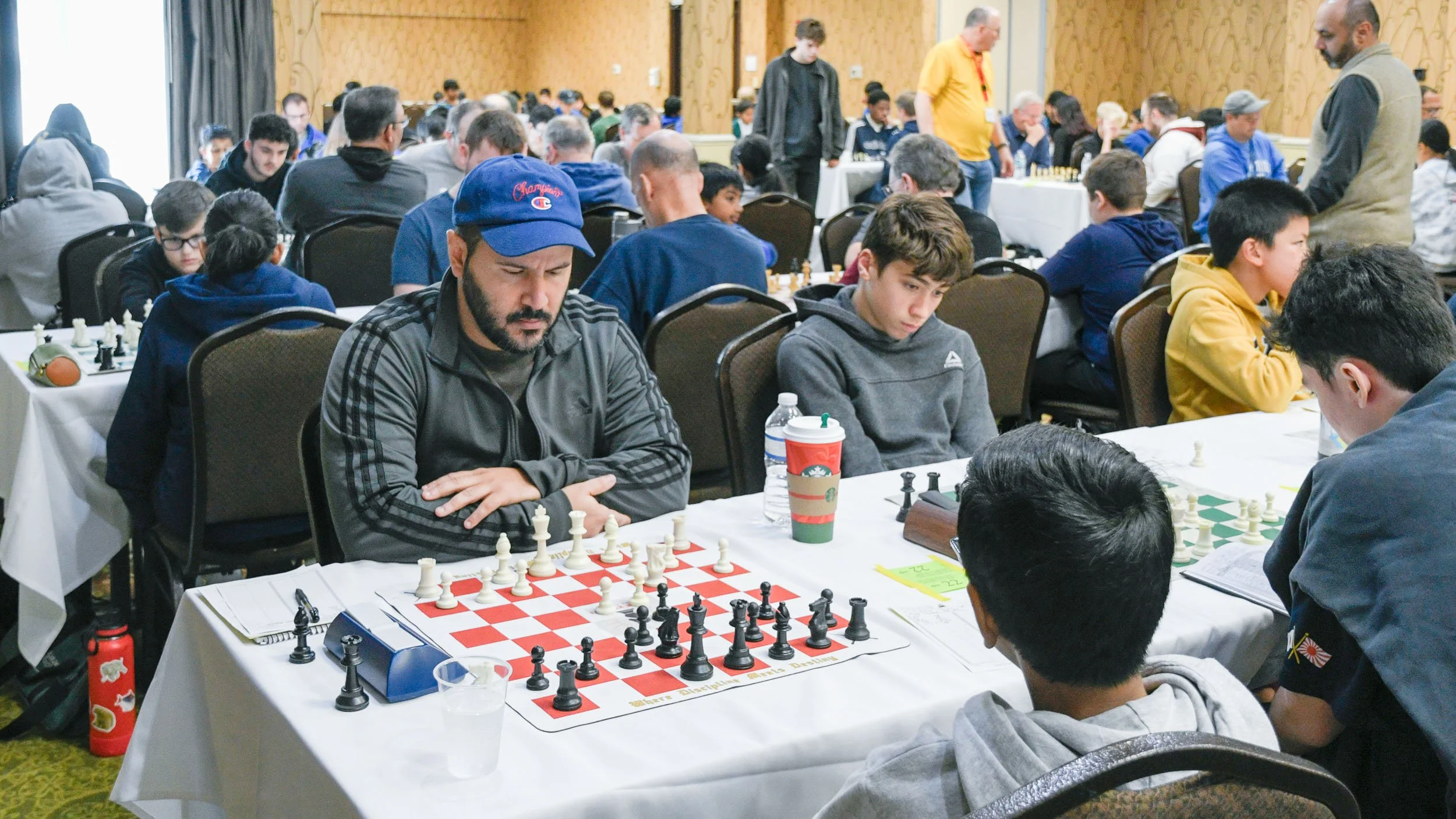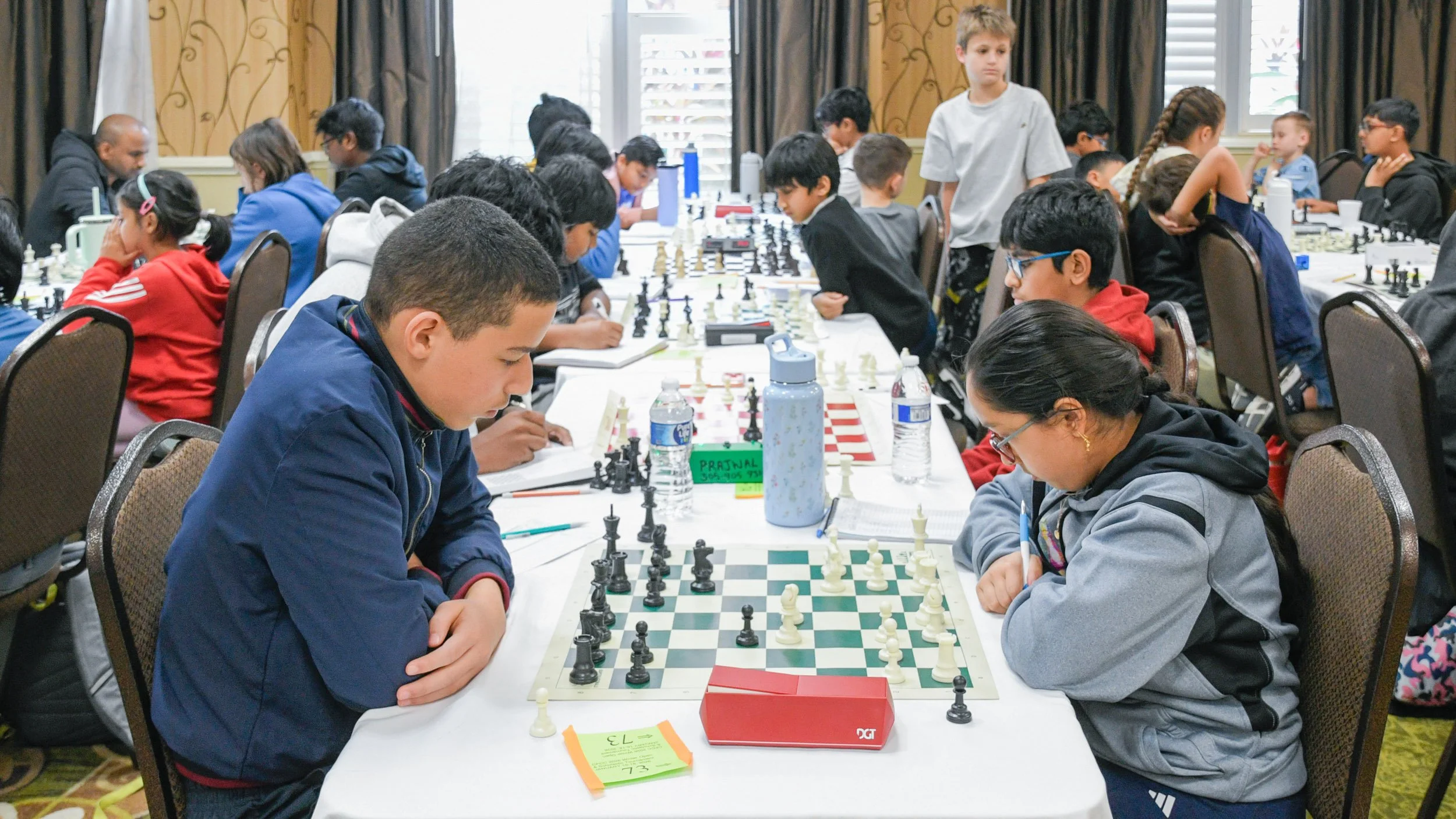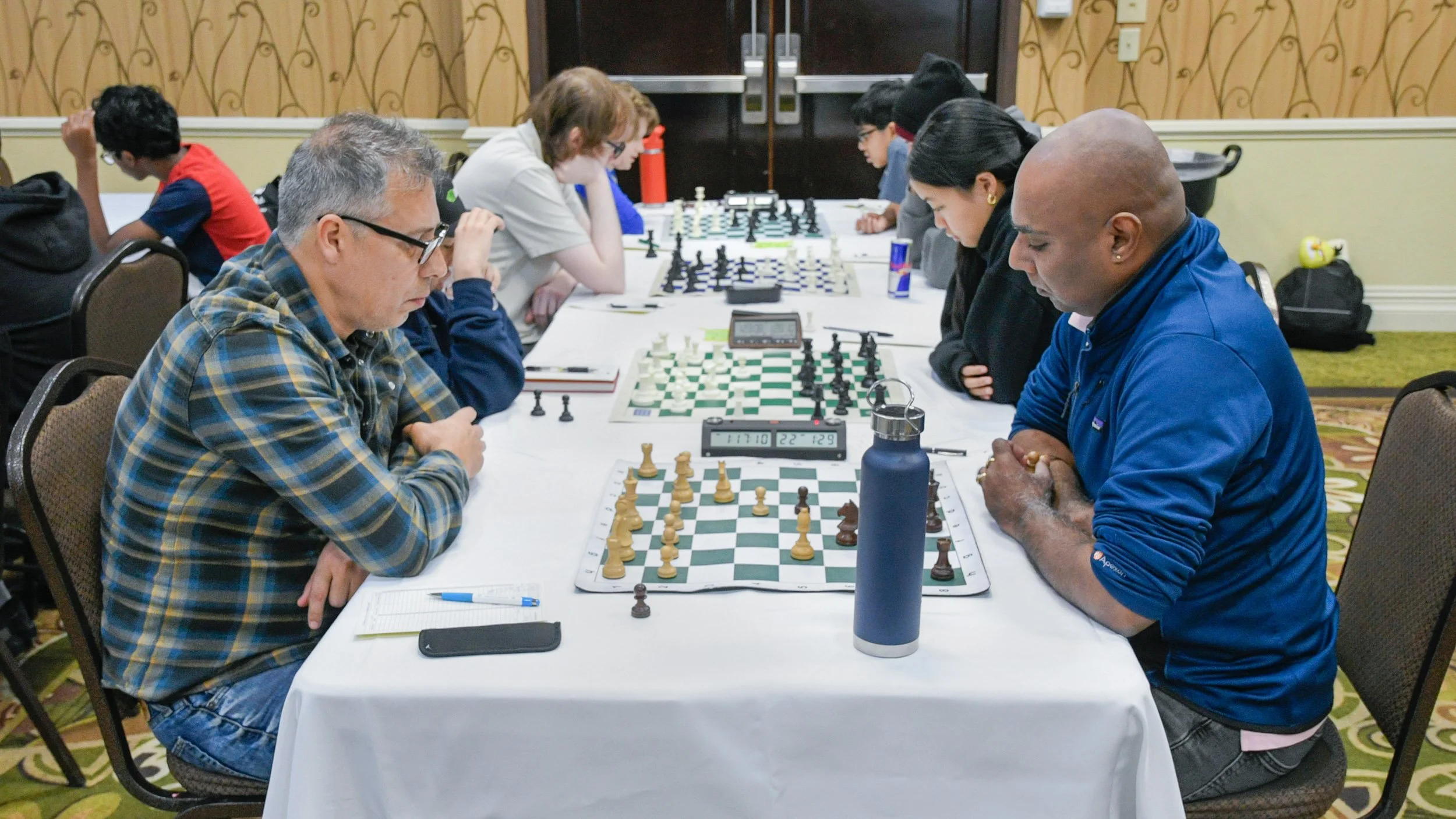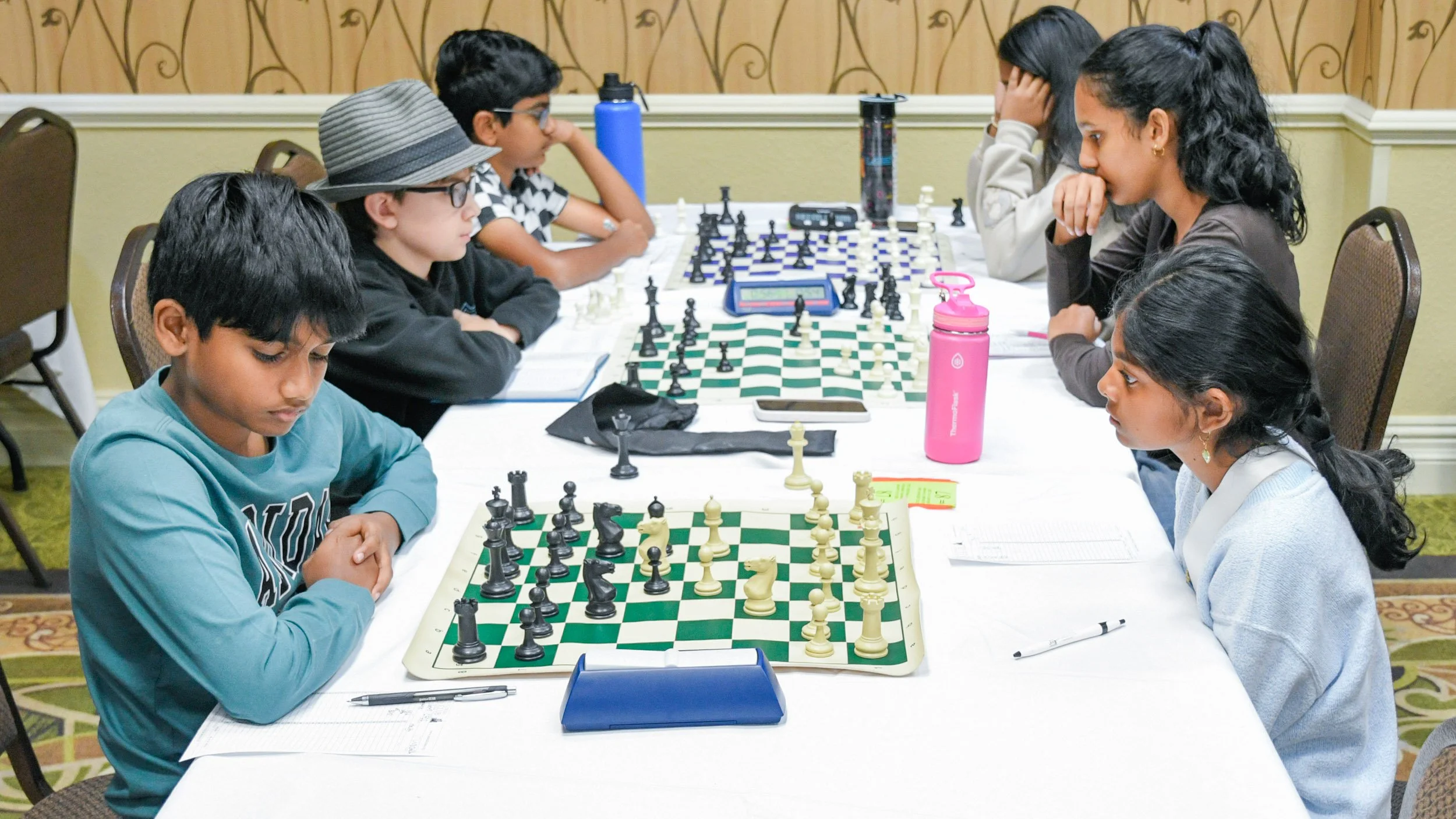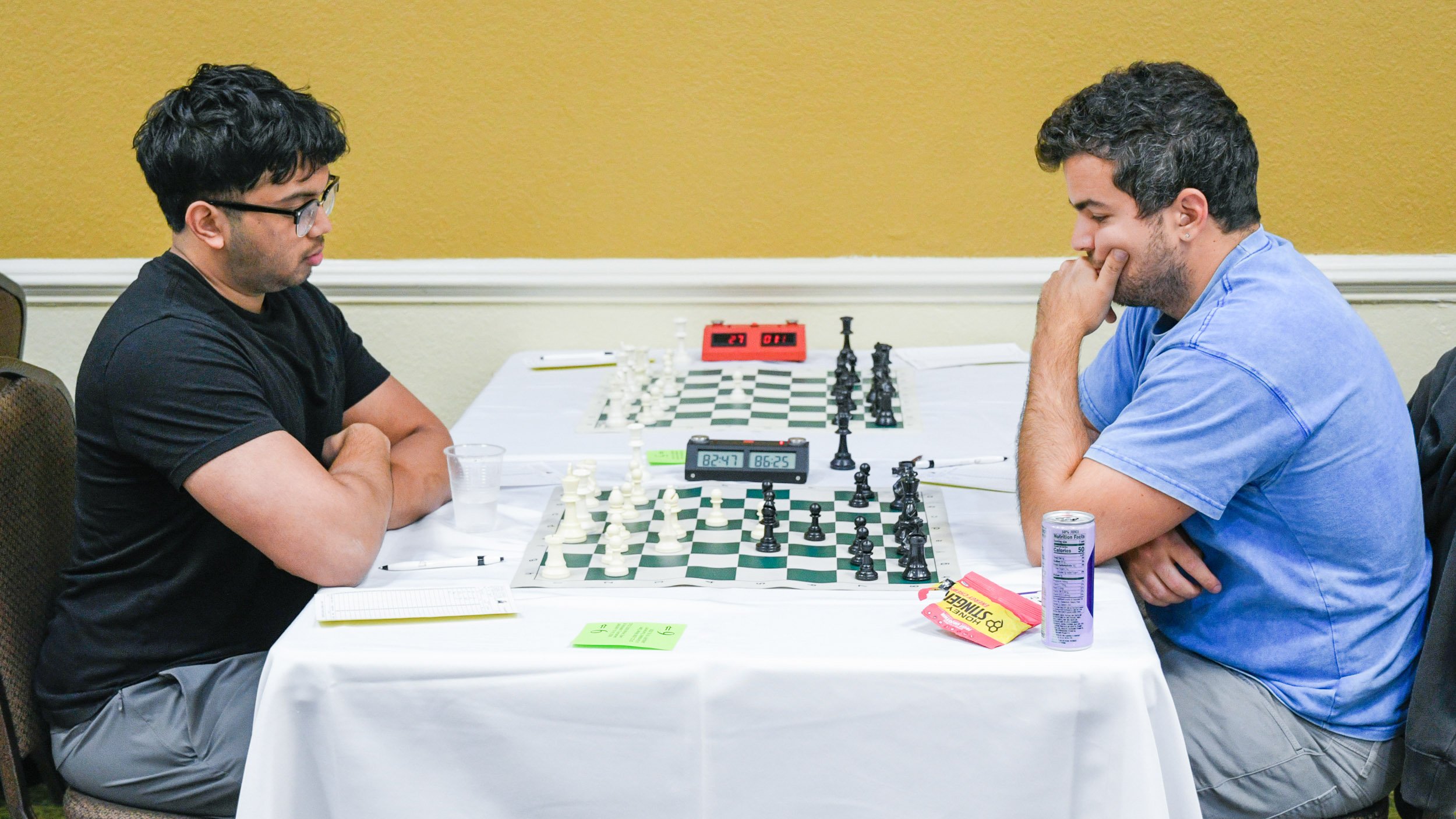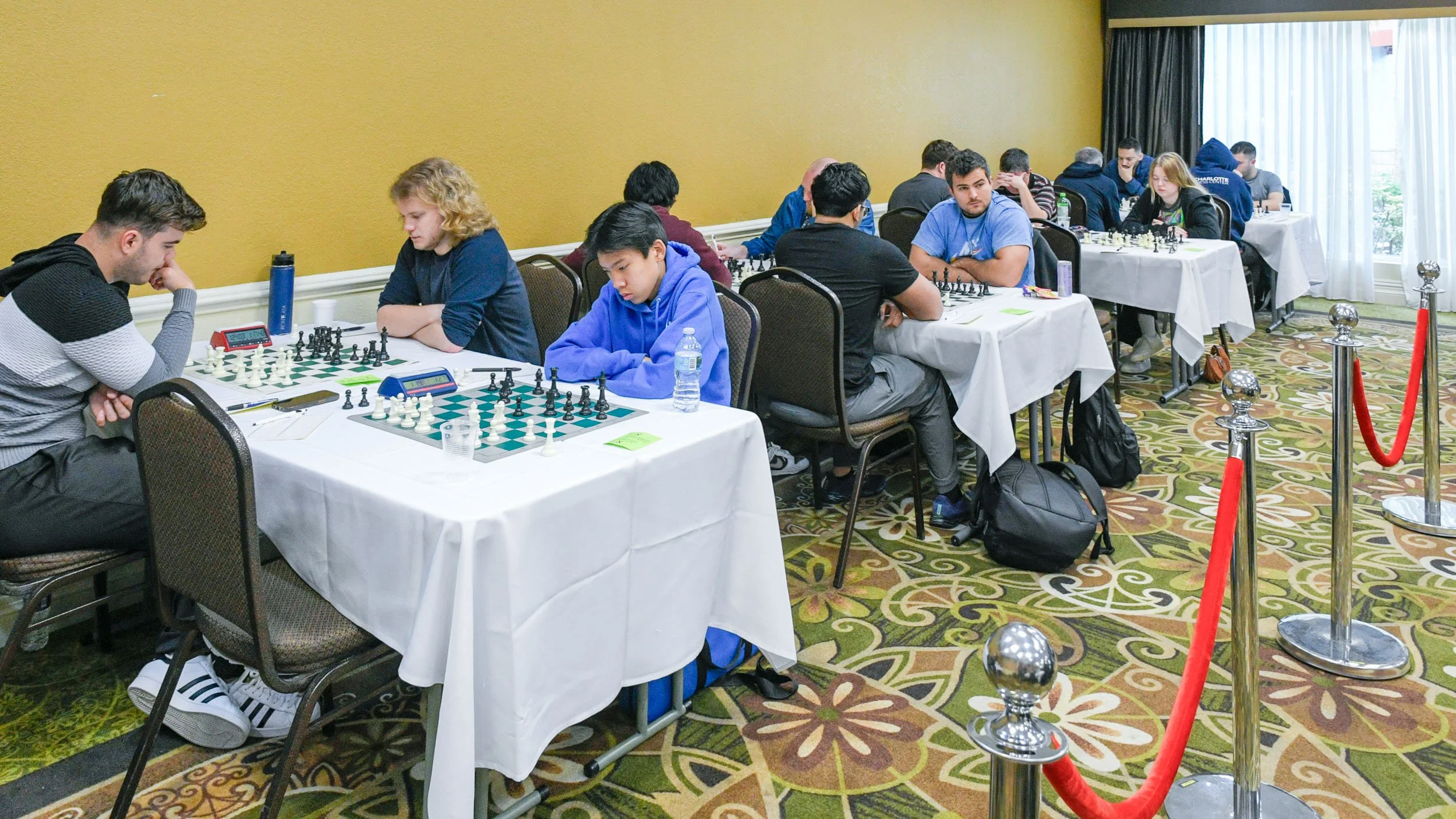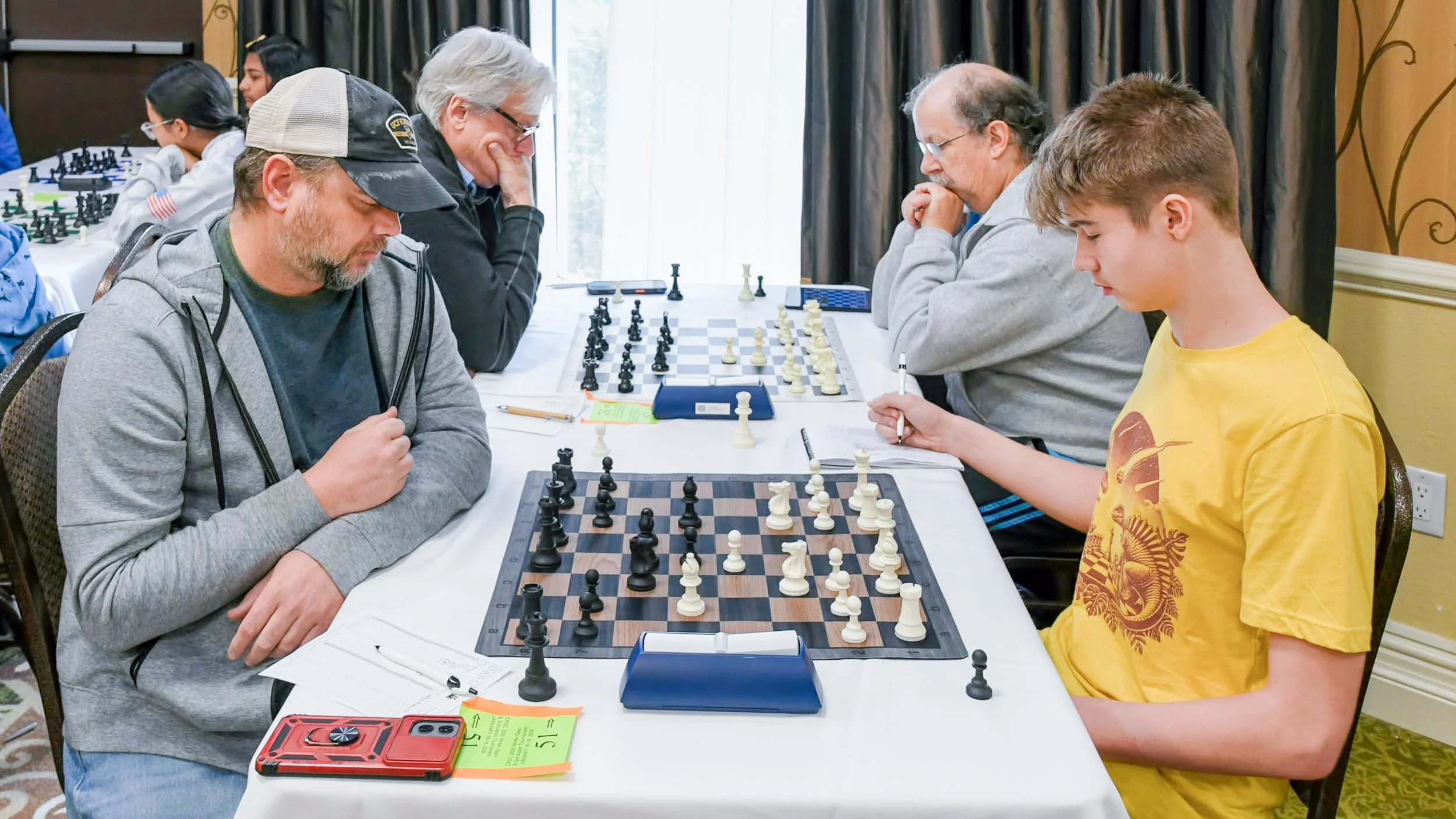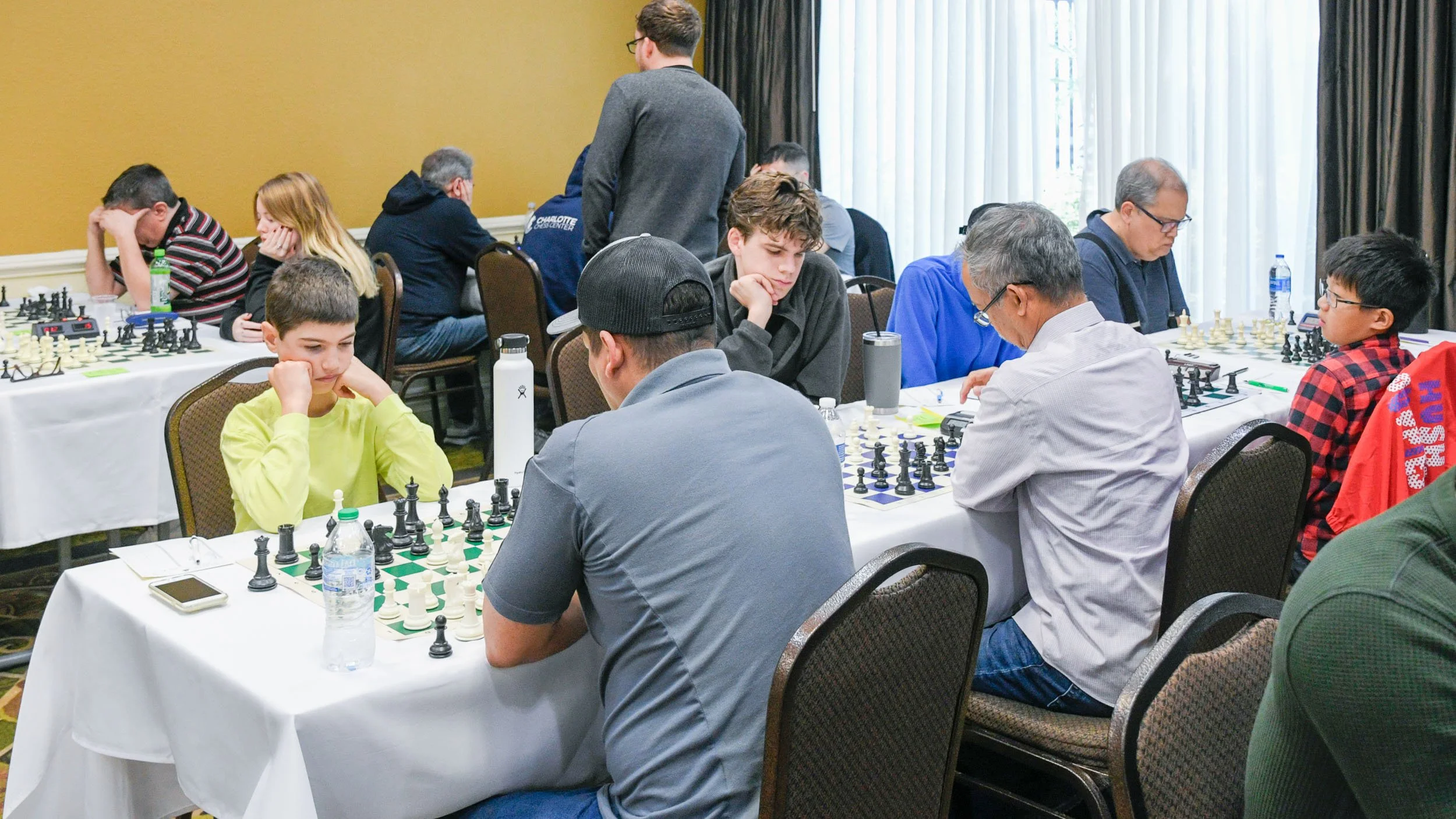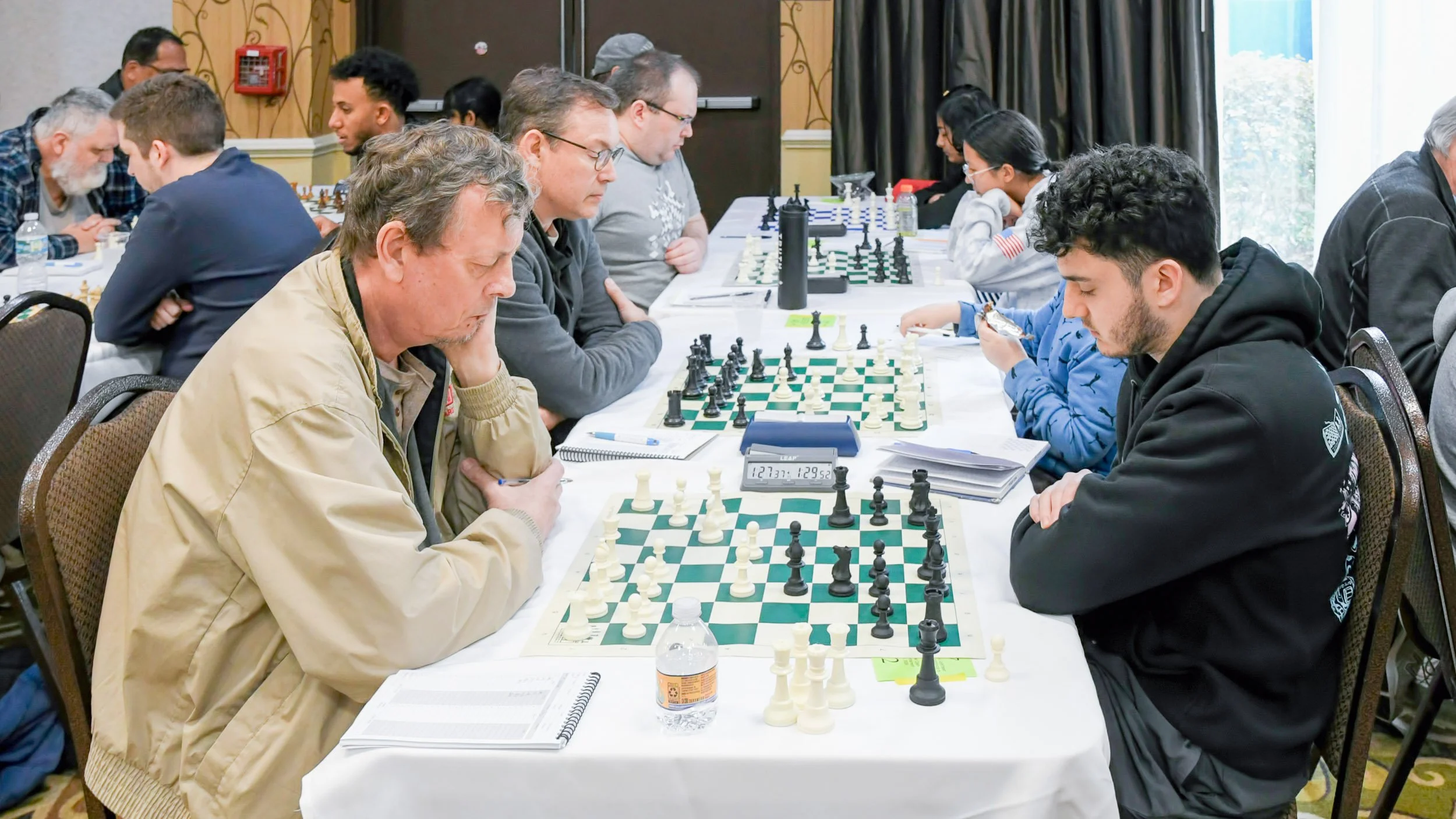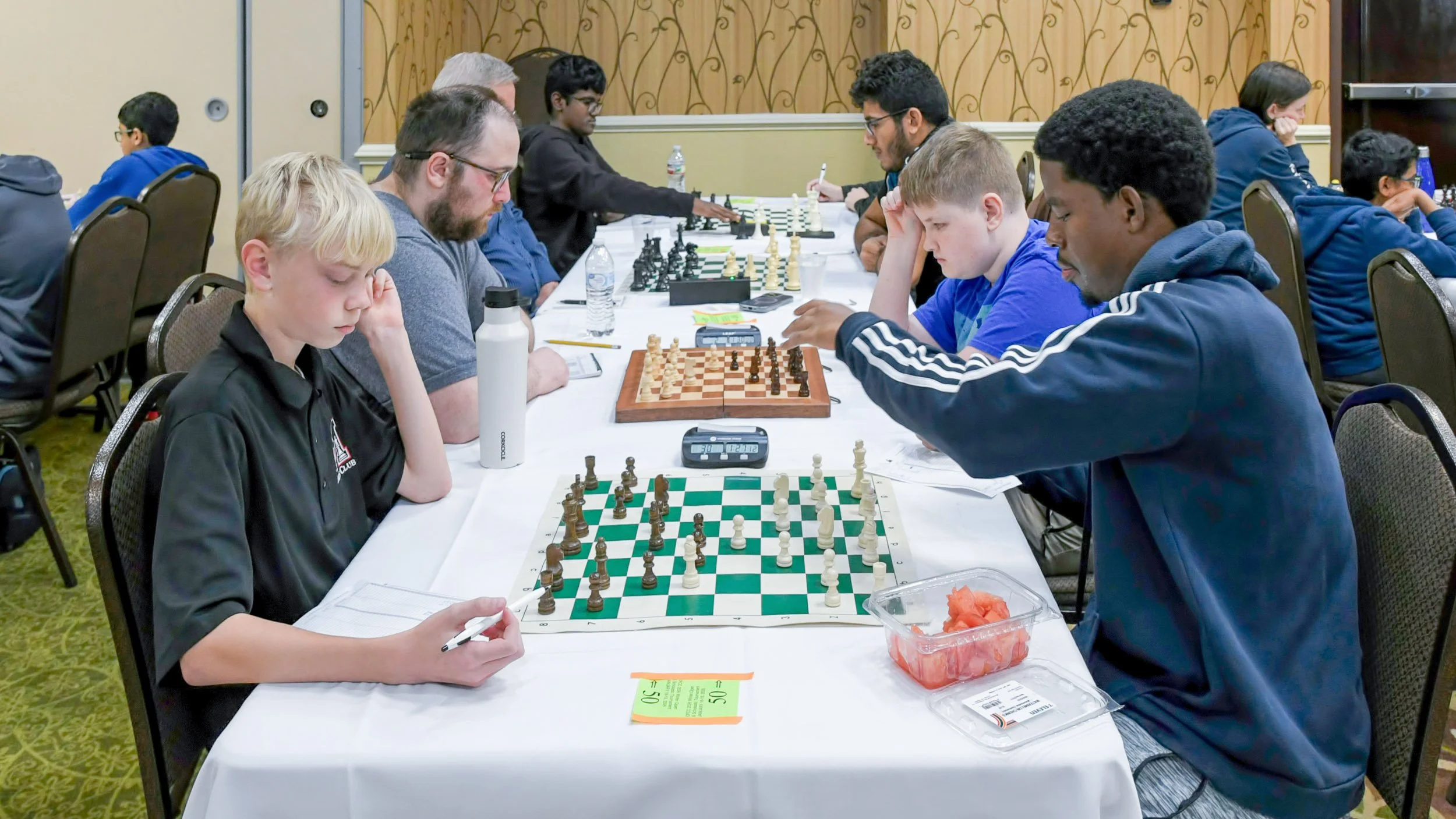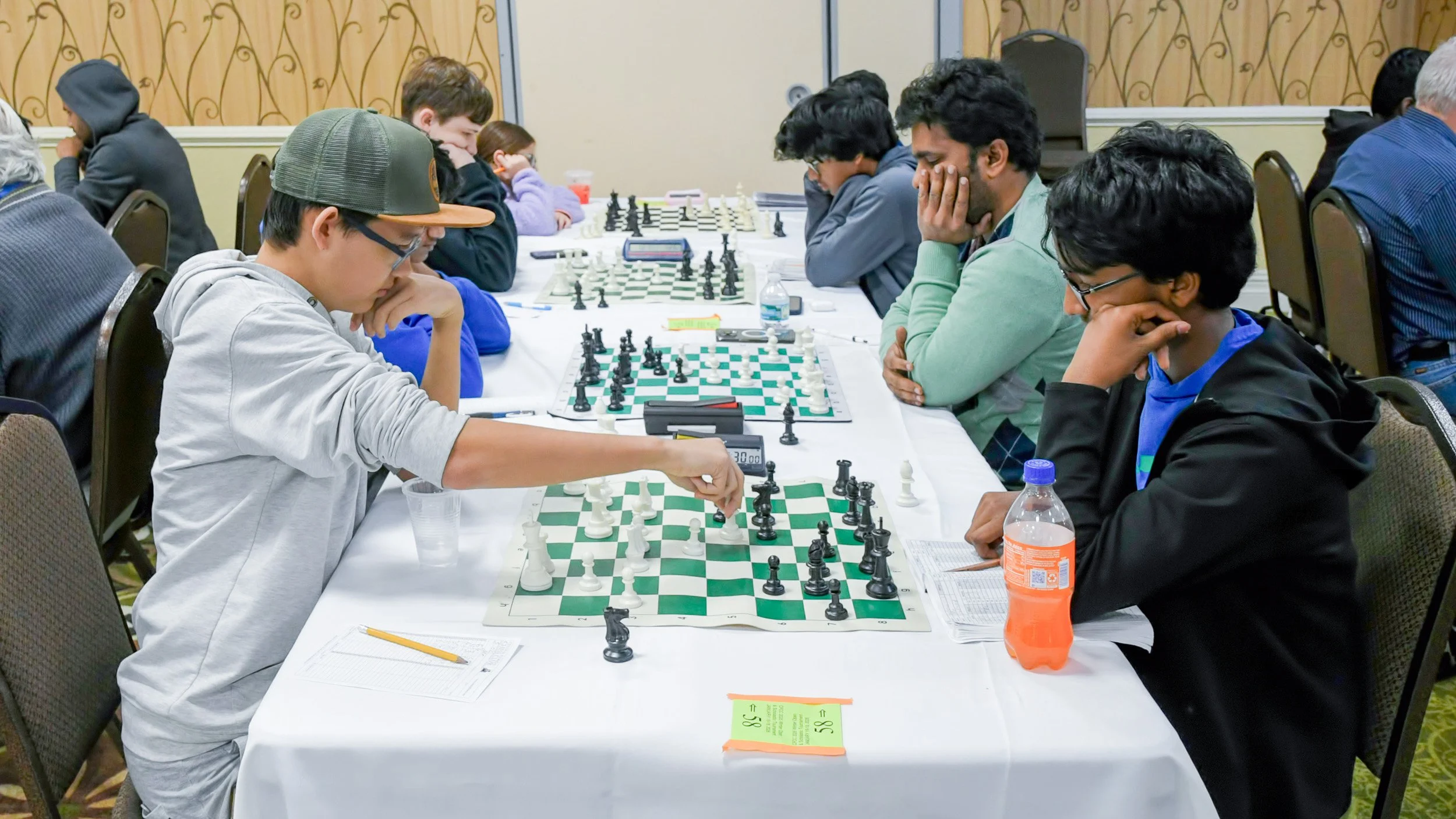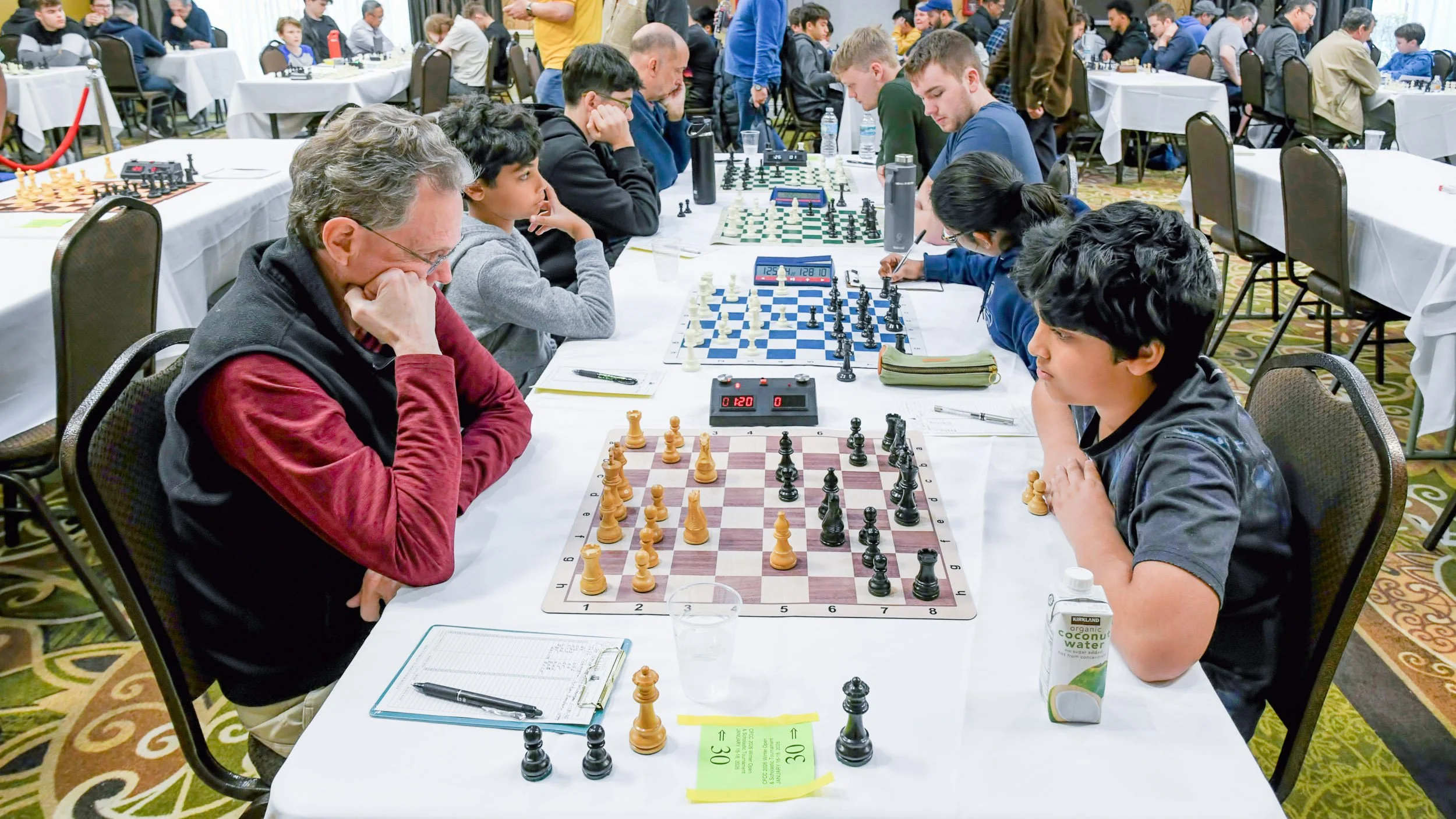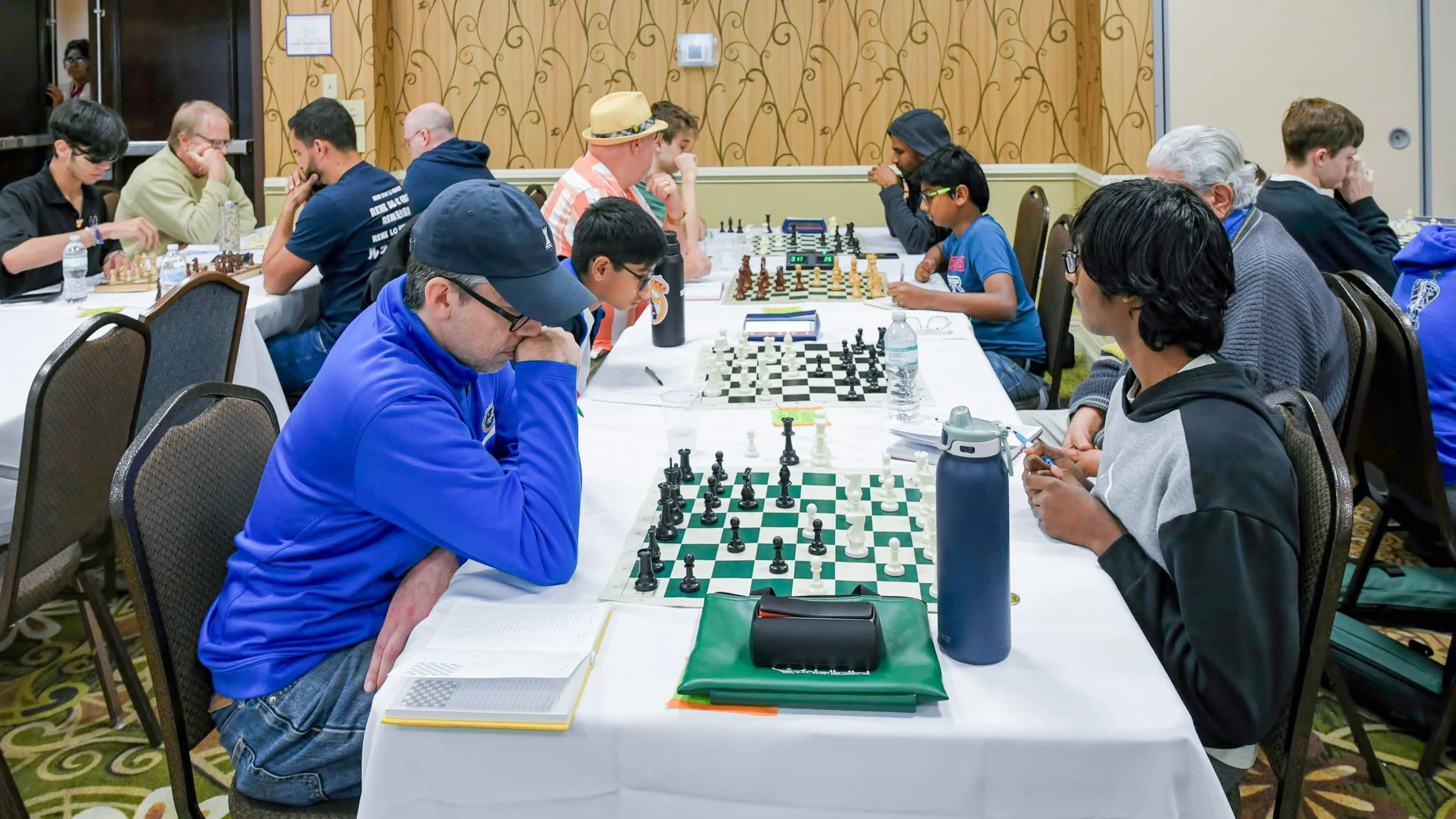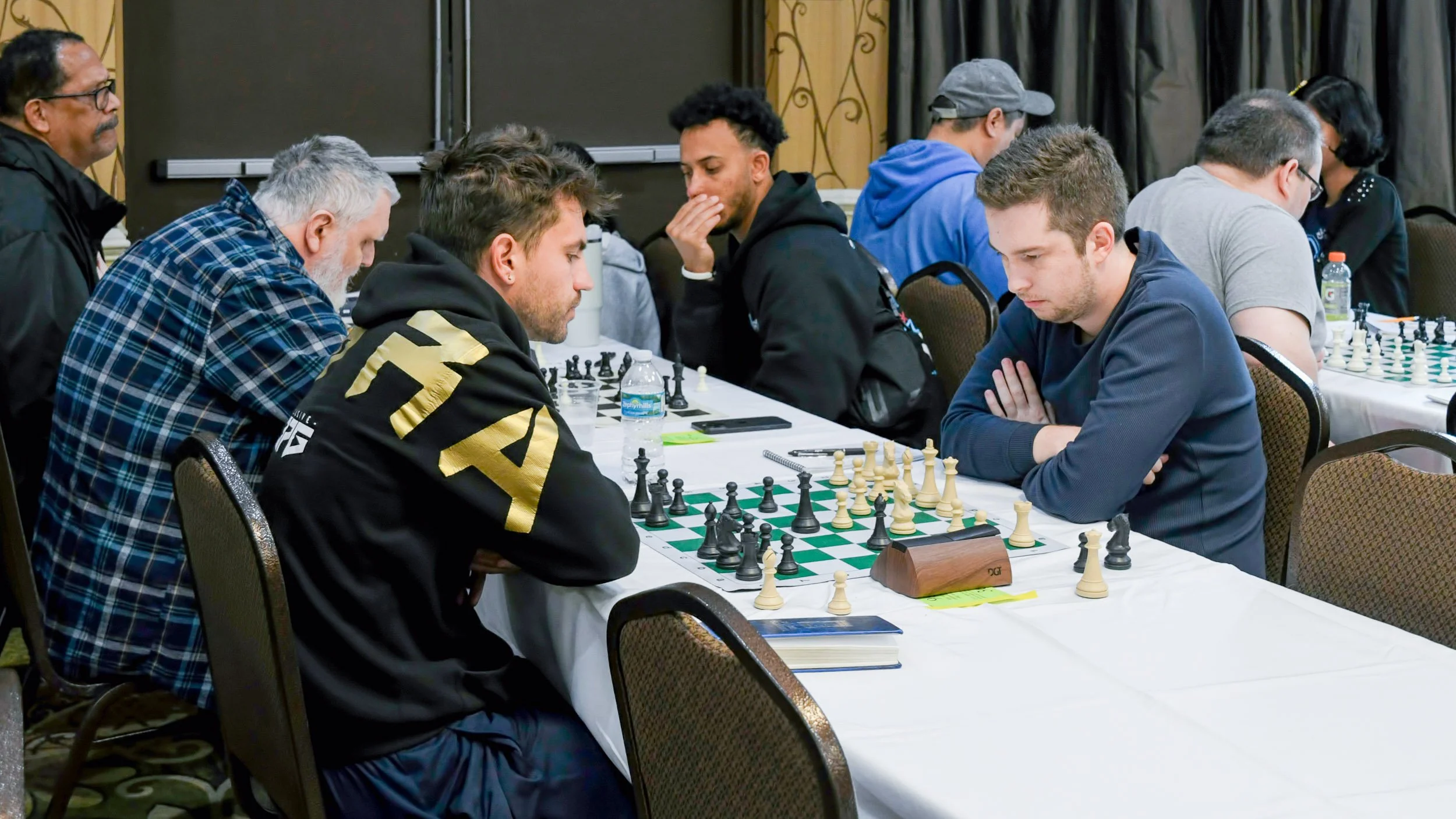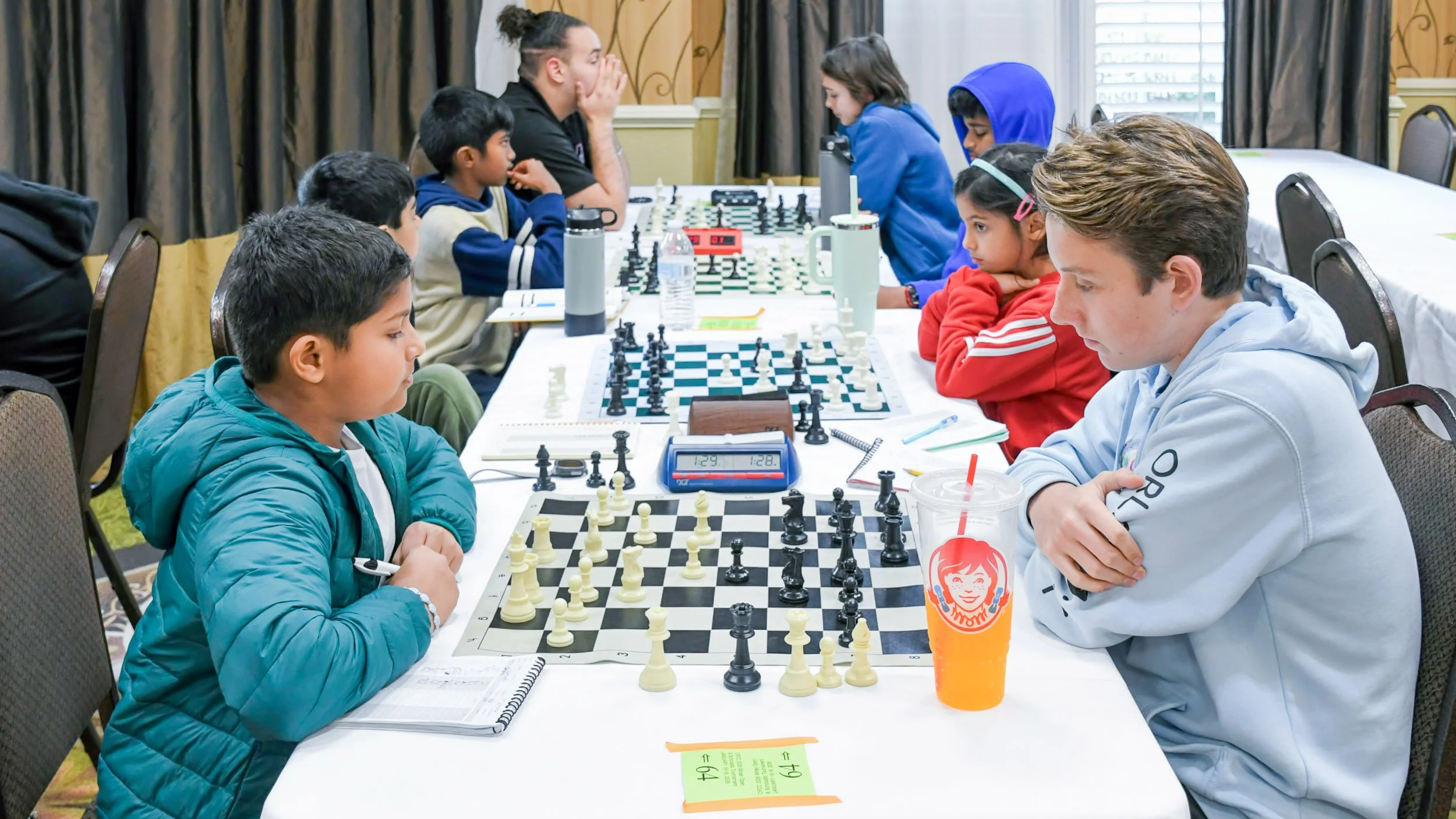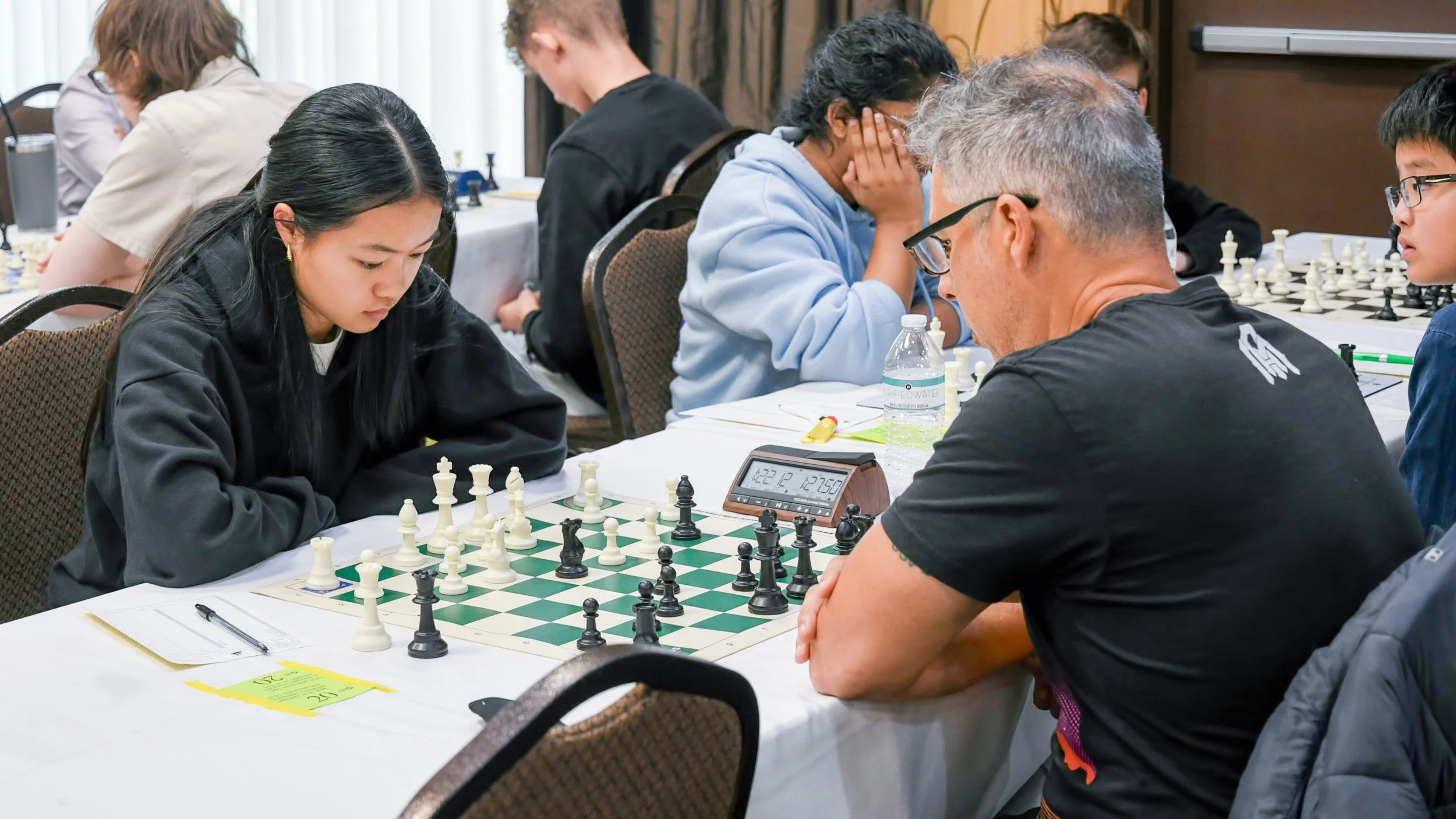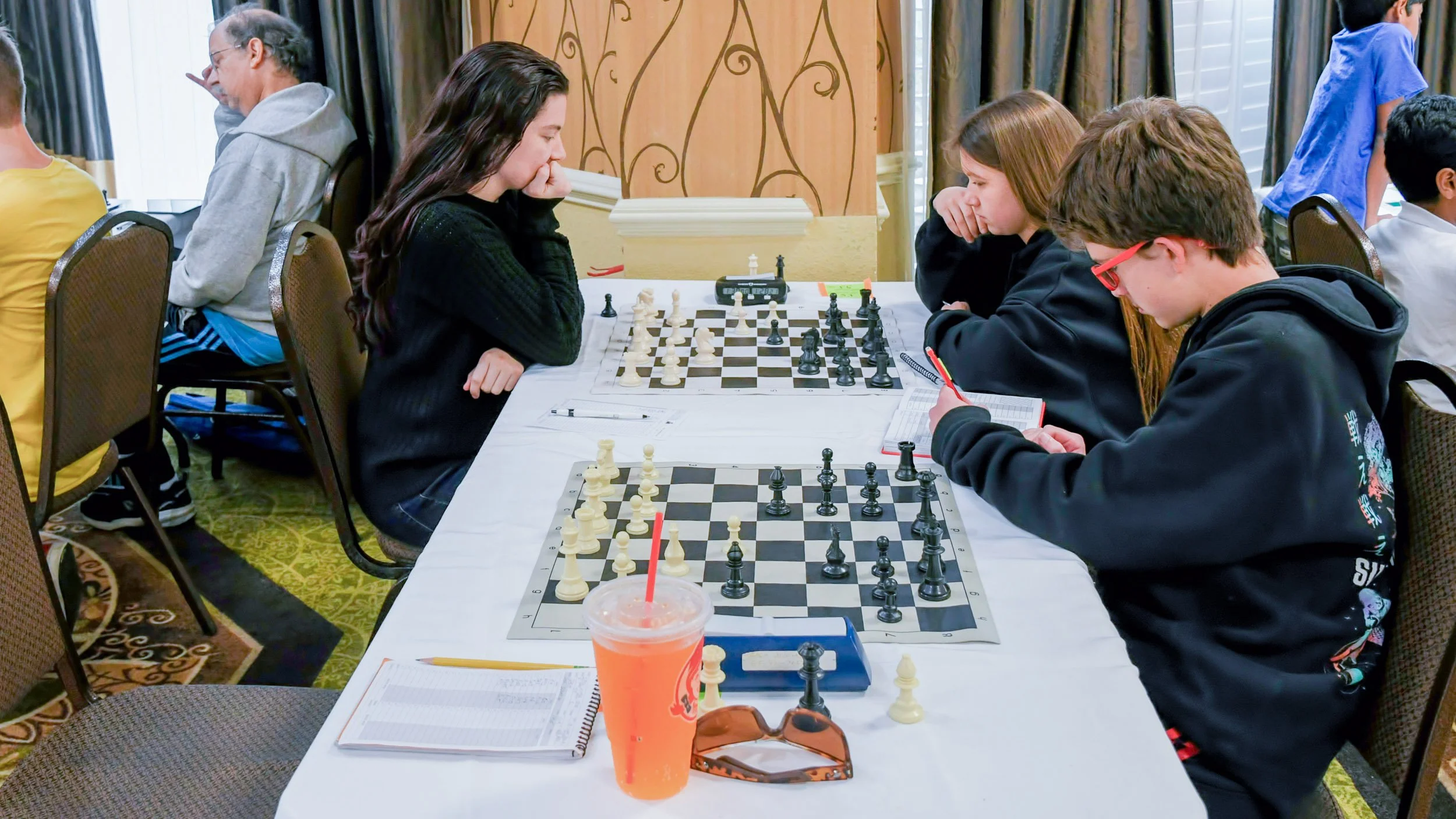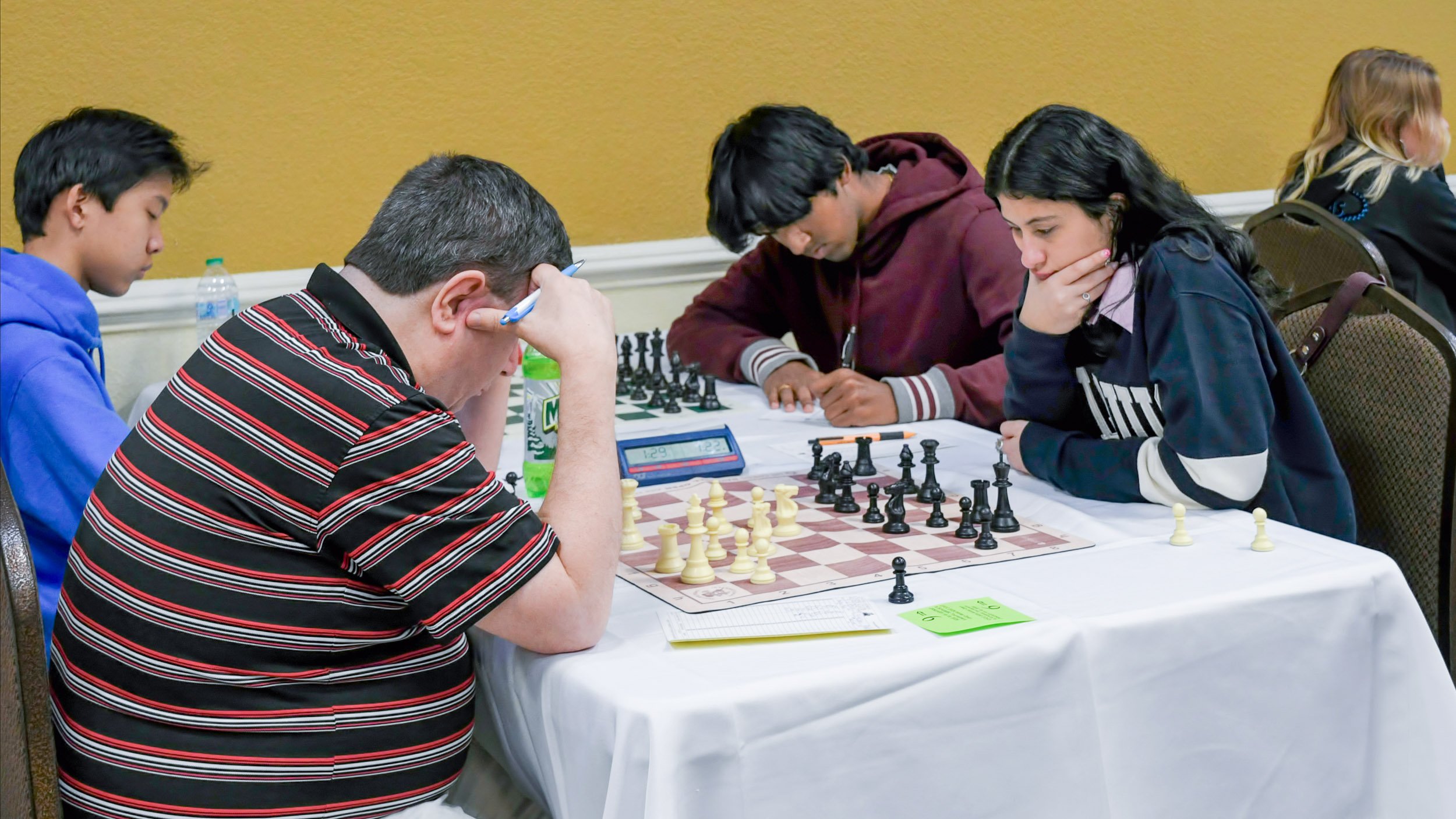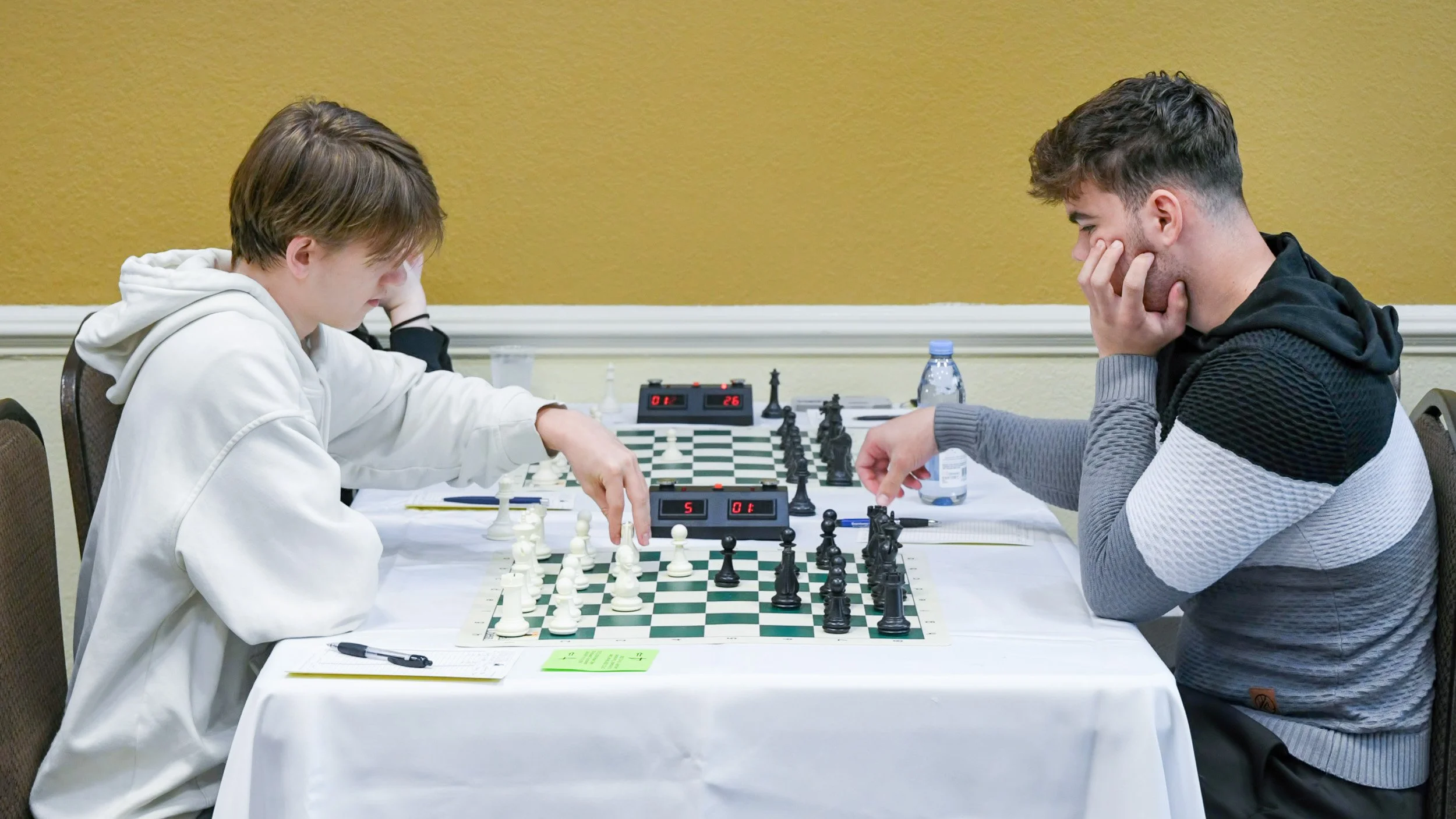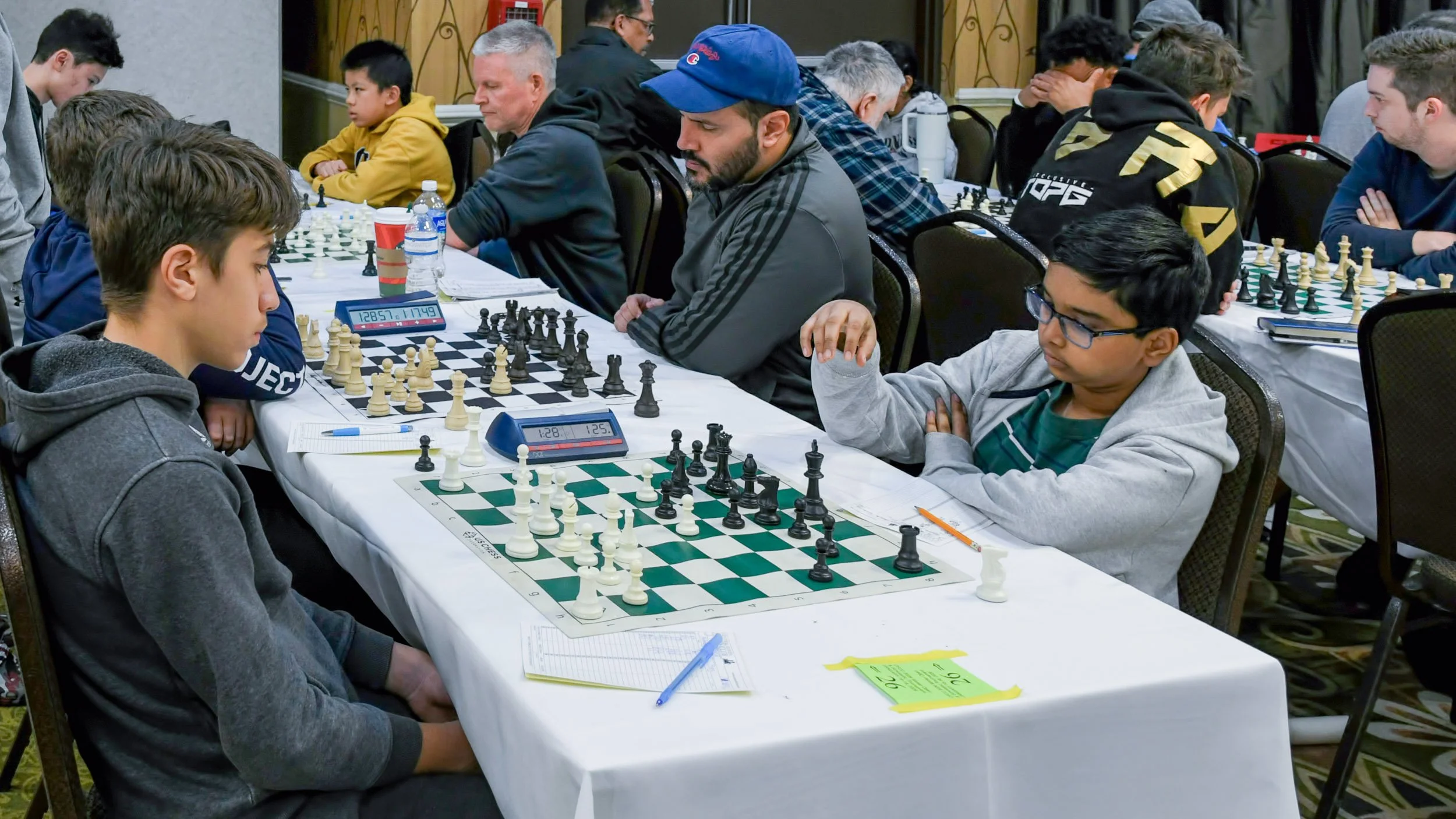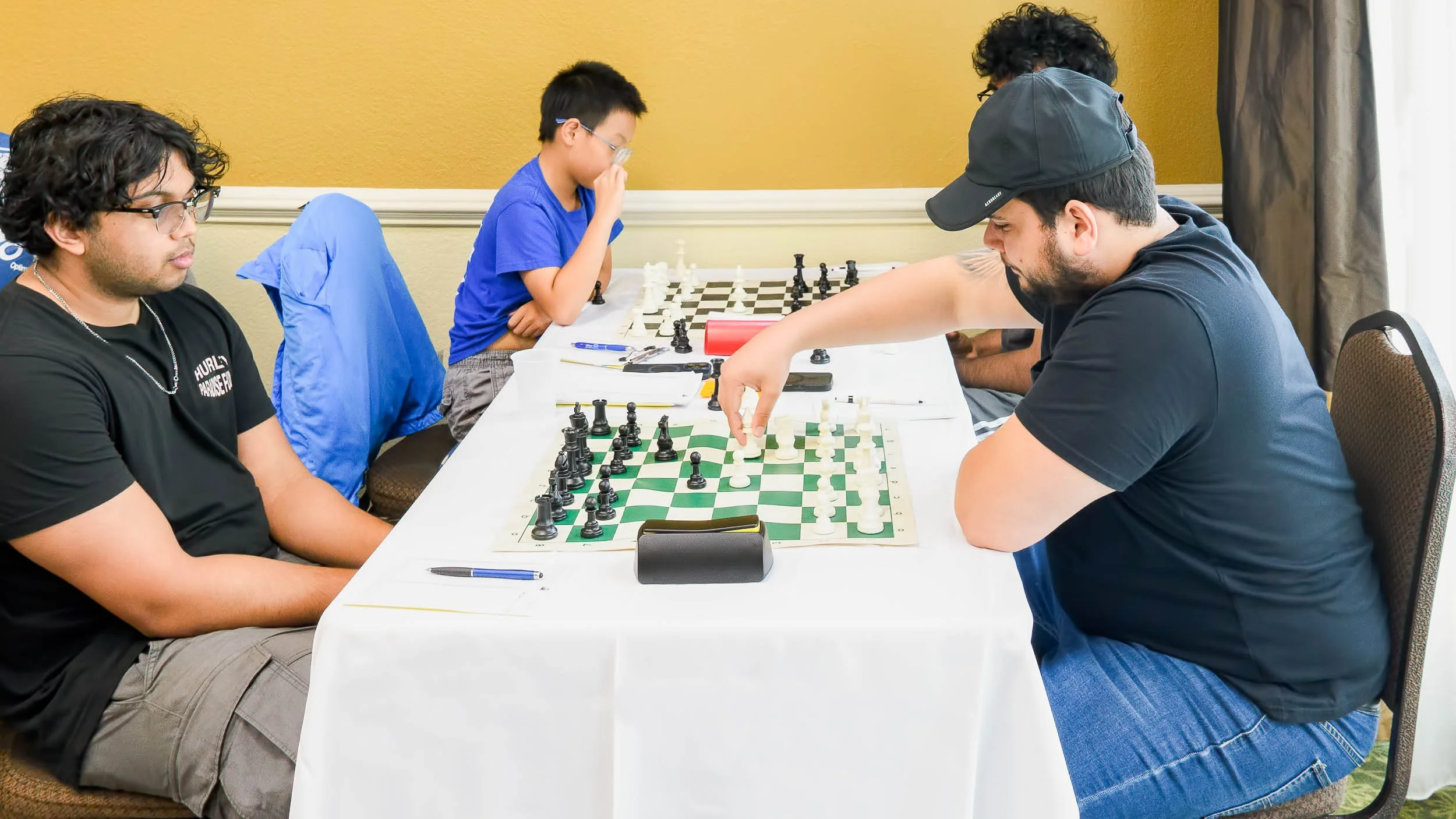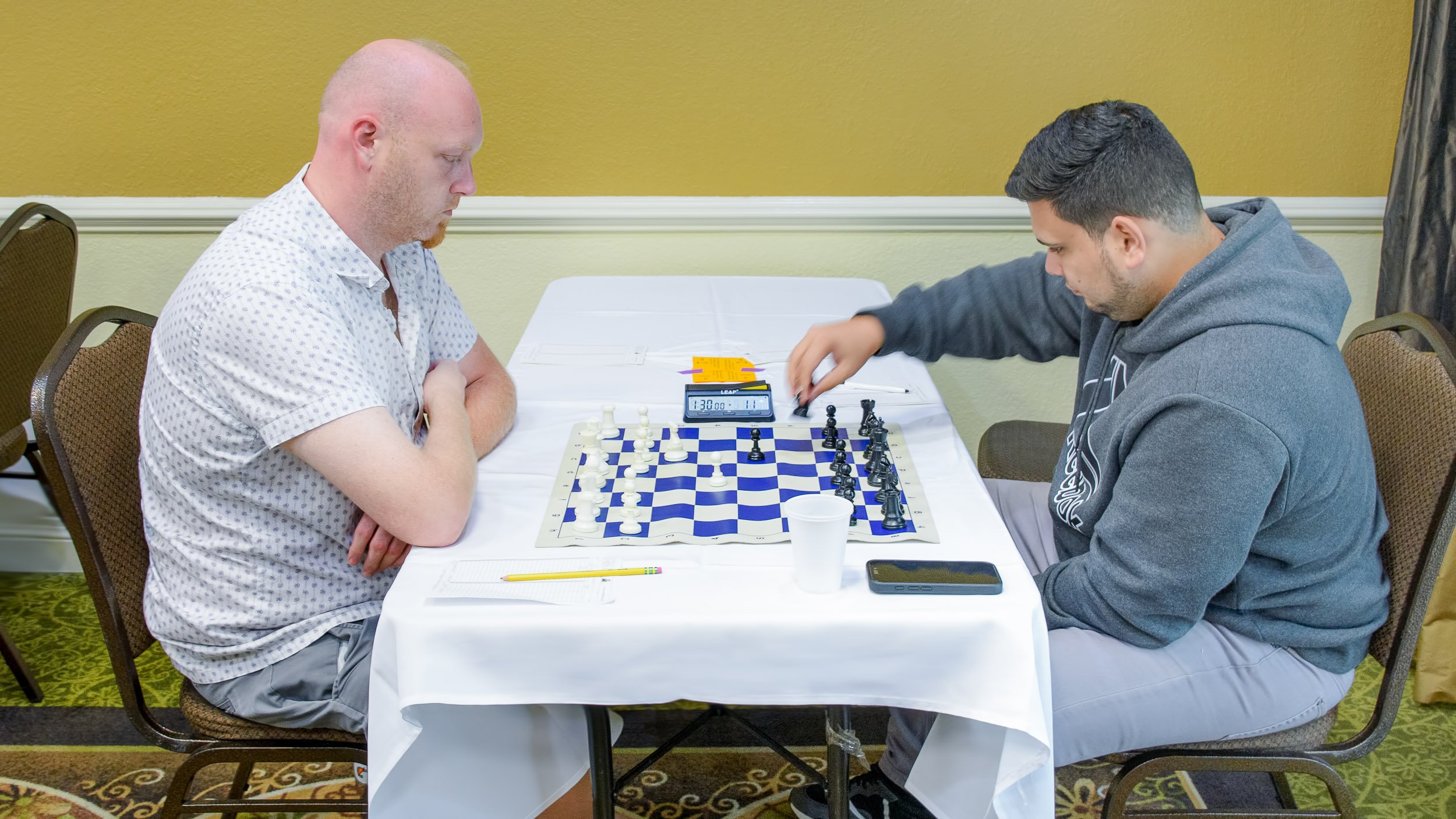
See our 2025 Sunshine Open & Scholastic coverage: Tournament Recap or Tournament Slideshow or Review Tournament PGN’s
June 19-21, 2026 (3-day schedule) or
June 20-21, 2026 (2-day schedule & scholastic)
Quick Links:
Schedule | Director Notes
Online Registration Ends 6PM, Friday, June 19, 2026 (EST)
New Tournament Location
Delta Hotels Room Reservations
Delta Hotels by Marriott Orlando Celebration
2900 Parkway Boulevard
Kissimmee, Florida 34747
(407) 369-7000
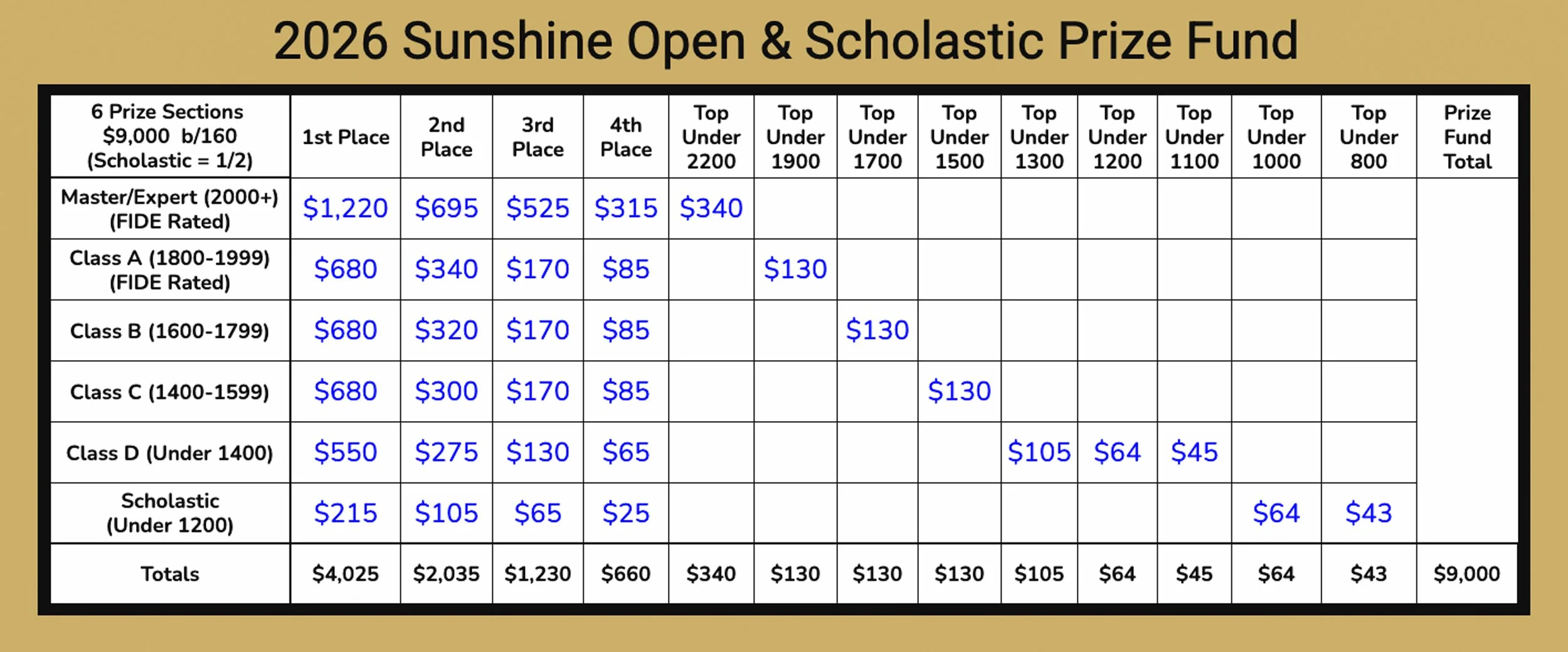
$9,000 b/160 60 % Guaranteed*
Enhanced Grand Prix: 40
5 Rounds at G/90; d30 w/ 6 Sections
6 Sections - Top 2 Sections are FIDE Rated
3-day schedule:
All rounds G/90; d30
2-day schedule:
Rounds 1 & 2 - G/60; d5
Scholastic schedule:
All rounds G/60; d5
Event ENTRY FEEs:
Early Online Entry: $120 by midnight this Friday, June 5, 2026 (EST)
Late Online Entry: $140 until 6pm Friday, June 19, 2026 (EST) when online registration closes
On-Site Entry Fee: $150
Scholastic U1200: $60 off each amount above
On-Site Registration Hours:
2-Day Schedule & Scholastic
9-10am, Saturday, June 20, 2026 (EST)
3-Day Schedule
5-6pm, Friday, June 19, 2026 (EST)
Saturday Night Open USCF-Rated 4SS G/3; d2
Double-Round Blitz Tournament:
$20 Entry* - $500 Guaranteed Prize Fund
Enhanced Grand Prix: 10
1st - $150 - 2nd $100 - 3rd $72
Top U1800 $70 - U1500 $60 - U1200 $48
*Free entry for GM/WGM/IM/WIM
($20 entry fee deducted from any prize)
Note: Players can either register on-site with the tournament directors’
or register online by 7PM, Saturday, June 20, 2026
(when the blitz online registration closes)
CFCC 2026 Sunshine Open & Scholastic Tournament Page